
Same-day & Next-day Delivery

Quality Guaranteed

Unlock Your Welcome Offers: FREE Delivery | Up to 80% OFF | Free 30-day JoyPlus trial
Download the APP
Sugar-free fizzy drinks appeal to anyone who wants the fizz and flavours of cola, fruit or lemonade while cutting down on sugar. But there’s more to the difference between “zero” and “light” than just the packaging.
The format, sweeteners, caffeine content and total quantity you buy can all have a significant impact on your experience. Here are the things to consider before choosing sugar-free fizzy drinks, a multipack of fizzy drinks or sugar-free drinks in cans.
Depending on the recipe, a drink labelled as containing 0 g of sugar may still provide a small amount of energy. Some products contain 0.3 to 2 kcal per 100 ml, while others display 0 kcal on the label.
To compare a calorie-free fizzy drink or a light drink, check the nutrition table, especially the figures per 100 ml and per can. A 330 ml can gives you a more practical idea of the actual energy content than a marketing claim alone.
A multipack of 24 cans can be a good choice for a household, office or event. However, it takes up more space and assumes you’ll drink them regularly. By contrast, a multipack of 6 cans is easy to store and lets you try a flavour before buying a larger quantity.
The 1.5-litre bottles are better suited to sharing at mealtimes. Once opened, they should generally be refrigerated and consumed within the time stated on the packaging to preserve their fizz and flavour as much as possible.
Sugar-free fizzy drinks often contain aspartame, acesulfame K, sucralose, steviol glycosides or other sweeteners. Check the ingredients if you have particular preferences or dietary requirements.
Colas such as Pepsi Max or Coca-Cola Zero may also contain caffeine. Products containing aspartame must state that they contain a source of phenylalanine. This is essential information for people with phenylketonuria. Some imported fruit drinks also list the colour E129, along with a specific warning about children’s activity and attention.
For a meaningful comparison, check:
A sugar-free sparkling lemonade can taste very different from a zero-sugar cola, even if both contain no sugar. Concentrated juices, natural flavourings and acidity regulators also contribute to the final flavour.
The 200 ml and 330 ml cans are handy for controlling portions and avoiding leaving an opened bottle unfinished. The larger 1.5-litre bottles are better suited to meals or gatherings.
Before placing an order, work out the total volume in the multipack. Twenty-four 330 ml cans add up to 7.92 litres, while six 1.5-litre bottles make 9 litres. This calculation helps you compare the price per litre and plan how much storage space you’ll need.
Most sparkling soft drinks should be stored in a dry place, away from heat and direct sunlight. Serve them well chilled for a livelier fizz. After opening, refrigerate them and follow the instructions on the packaging.
Drinks in sachets, such as some Sweet16 products, are prepared differently: the contents can be poured over ice and should generally be consumed straight after preparation.
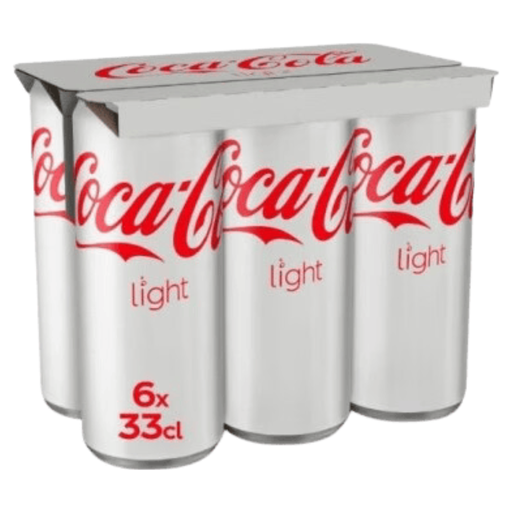
Why it suits this kind of shopper: A pack of six 330 ml cans lets you try a light drink without immediately buying a bulky stock. It’s suitable for one person or for a few meals.
The smaller pack reduces the risk of buying a large quantity before you know whether you like the taste and sweeteners.
Six 330 ml cans, 0 g of sugar and around 1 kcal per can, according to the information provided.
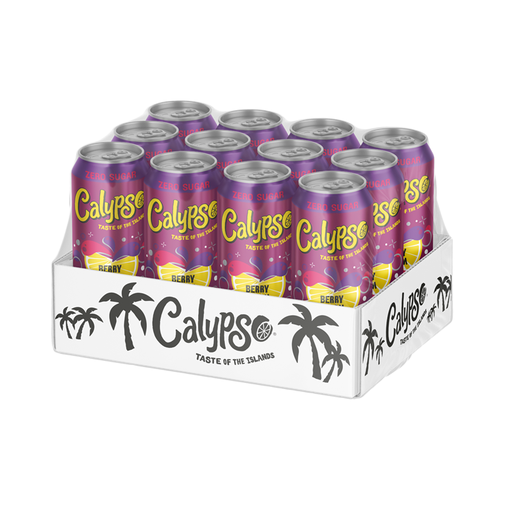
Why it suits this kind of shopper: This lemonade combines a citrus base with a red berry note. It’s for anyone looking for an alternative to cola while sticking with an individual-sized format.
The product details clearly state the total volume, number of cans and sweeteners used. That makes it easier to compare products beyond the simple “zero” label.
A pack of 12 330 ml cans, 0 g of sugar and 2 kcal per 100 ml, according to the published information.
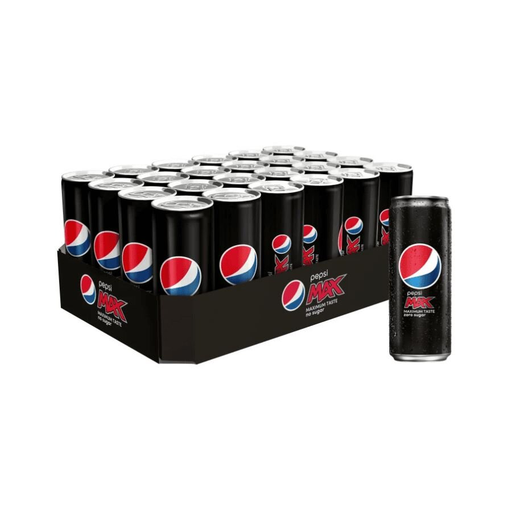
Why it suits this kind of shopper: This larger multipack is ideal for households, offices and event organisers who want to keep individual cans regularly available.
The cans mean you don’t have to store a large bottle once it’s open, and make serving drinks at a meal or gathering easier.
24 330 ml cans, 0 g of sugar and around 0.4 kcal per 100 ml, according to the product information.
We’ve brought together a comprehensive selection, updated in real time, of products that meet these strict selection criteria and European safety regulations.
No. “Sugar-free” refers to the sugar content, while the energy value varies depending on the recipe. Check the number of kilocalories per 100 ml and per serving on the label.
An opened can quickly loses its fizz. It’s best to drink it soon after opening or keep it in the fridge, following the manufacturer’s recommendations. Bottles can often be kept for two to three days after opening.
Some do, including several zero-sugar and light colas. Caffeine should be listed in the ingredients or labelling information. If you want to avoid it, choose a lemonade or fruit drink whose ingredients don’t include caffeine.