
Livraison le jour même ou le lendemain

Qualité garantie

Débloquez vos offres de bienvenue: Livraison GRATUITE | Jusqu'à -80 % | 30 jours d'essai gratuits à JoyPlus
Téléchargez l'application
Finding the perfect dark chocolate bar can be a daunting task. With varying cocoa percentages, bean origins, and flavour pairings, navigating the vast selection can be overwhelming. Whether you're seeking a rare gem to elevate your desserts, a grand cru for an intense tasting experience, or simply a reliable choice for an indulgent break, this guide is for you. We've analysed the market to help you choose the dark chocolate that perfectly suits your tastes and needs.
Before diving into our selection, let's review the key criteria for making the right choice and finding the bar that's perfect for you.
Prominently displayed on the packaging, this percentage represents the total proportion of ingredients derived from the cocoa bean (cocoa mass and cocoa butter). It's the first clue to the bar's flavour profile?:
You wouldn't choose the same chocolate for a cake as you would for an after-dinner tasting.
A chocolate's quality can also be read on its label. A golden rule: the fewer ingredients, the better. A good dark chocolate bar should only contain cocoa mass, cocoa butter, sugar, and possibly an emulsifier like lecithin. As for the organic dark chocolate label, it guarantees that the beans were grown without synthetic pesticides or chemical fertilisers, in accordance with organic farming regulations.
Here are our top picks, selected for their quality, flavour, and versatility.
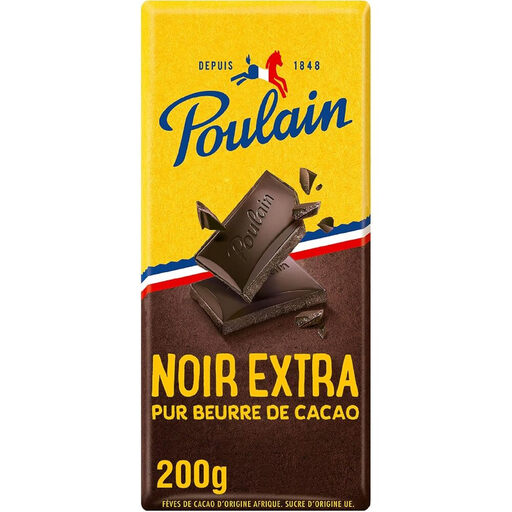
Why we love it?: This bar is a staple in French kitchens. With 47% cocoa, it strikes a perfect balance between cocoa intensity and controlled sweetness, making it an excellent baking dark chocolate. Its generous 200g size is especially practical for preparing cakes, mousses, or ganaches.
Key features?:
Who is it for? For home bakers and families looking for a reliable and versatile dark chocolate bar for desserts and snacks.
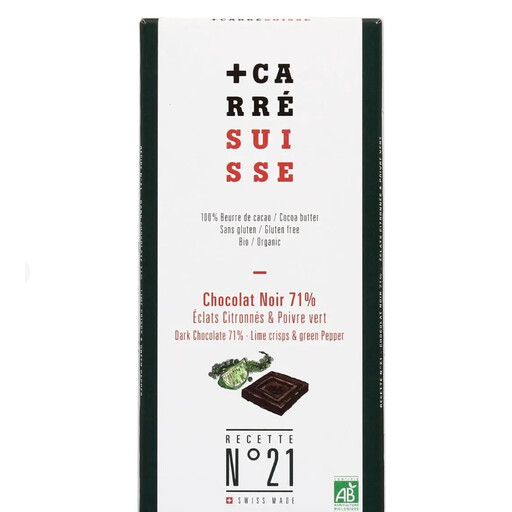
Why we love it?: This bar offers a bold and refreshing flavour combination. The intense and fruity 70% cocoa dark chocolate is enhanced by the subtle kick of green pepper and the freshness of candied lemon zest. A tasting dark chocolate option that will surprise palates in search of something new.
Key features?:
Who is it for? For lovers of characterful chocolate who are curious to explore unique flavour combinations and are conscious about consuming organic products.
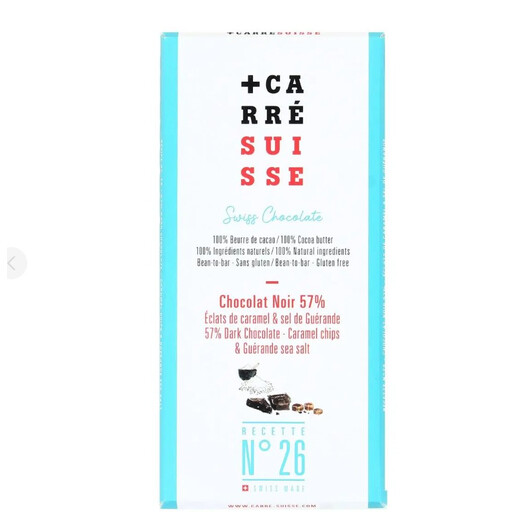
Why we love it?: A gourmet classic, executed to perfection. The caramel sea salt dark chocolate with 57% cocoa serves as a base for crunchy caramel pieces, all enhanced by a hint of Guérande salt that tantalises the taste buds.
Key features?:
Who is it for? For foodies looking for a bar that is both comforting and sophisticated, combining the sweetness of caramel, the crunch of caramel pieces, and the intensity of dark chocolate.
This selection is, of course, just a taste. The world of dark chocolate is vast, and every palate is unique. Your preferences may lead you to other flavours or different cocoa percentages.
To explore an even wider range of bars, featuring original creations, exceptional grand crus, or options for every budget, take a look at our complete category.
? Discover our entire dark chocolate selection
1. What is the difference between a 70% and a 90% dark chocolate? The main difference lies in the intensity and sugar content. A 70% cocoa dark chocolate is an excellent compromise: it has prominent cocoa notes, controlled bitterness, and a hint of sweetness. A 90% chocolate is much more raw, powerful, very low in sugar, and has a pronounced bitterness. It is aimed primarily at connoisseurs who appreciate its intense character.
2. Can you use any dark chocolate for baking? While it's technically possible, a baking dark chocolate is still the best choice. It is formulated to ensure a smooth, stable melt, and its more neutral flavour profile integrates perfectly into recipes. Using a tasting chocolate, with its very specific aromas, can sometimes lead to surprises (good or bad) once the cake is out of the oven.
3. What is the best way to store a dark chocolate bar? To preserve all its flavours, store your bar in a cool, dry place, ideally between 16 and 18°C (60-64°F). Keep it away from light and strong odours (coffee, spices, etc.), which the cocoa butter tends to absorb. Above all, avoid the refrigerator! The cold and humidity can alter its texture and cause surface blooming (the infamous "white film").