
Livraison le jour même ou le lendemain

Qualité garantie

Débloquez vos offres de bienvenue: Livraison GRATUITE | Jusqu'à -80 % | 30 jours d'essai gratuits à JoyPlus
Téléchargez l'application
With the vast array of dark chocolate bars on the shelf, it's easy to get lost. Are you a baker in search of the perfect bean, a connoisseur looking for a cocoa thrill, or simply conscious of your sugar intake? There's a specific bar for every profile.
This guide is here to give you the keys to choosing the dark chocolate that will meet all your expectations. Cocoa percentage, ingredient list, uses: we'll break it all down for you.
Before we get to our selection, here are the key points to check to make the right choice.
The percentage displayed on a dark chocolate bar corresponds to the total share of products derived from the cocoa bean (cocoa mass and cocoa butter). It's the first and most important clue to its character:
Be aware that not all dark chocolates react the same way to heat.
The composition is crucial, especially if you are following a particular diet.
Our editorial team has analysed the market to bring you a selection of three must-have bars, each meeting a specific need.
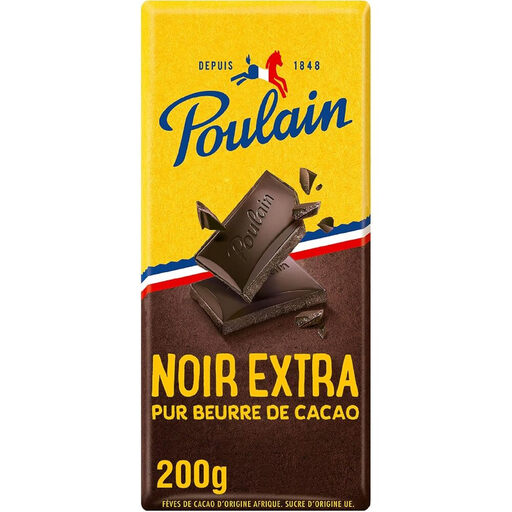
What sets it apart: This chocolate is a staple in French kitchens. With its minimum 47% cocoa content and pure cocoa butter recipe, it offers an ideal balance between intensity and sweetness. Its generous 200g size makes it a budget-friendly and practical partner for all your culinary creations.
Highlights:
Who is it for? Ideal for home bakers looking for a reliable and versatile baking dark chocolate, as well as for those who enjoy a mild dark chocolate for a gourmet snack.
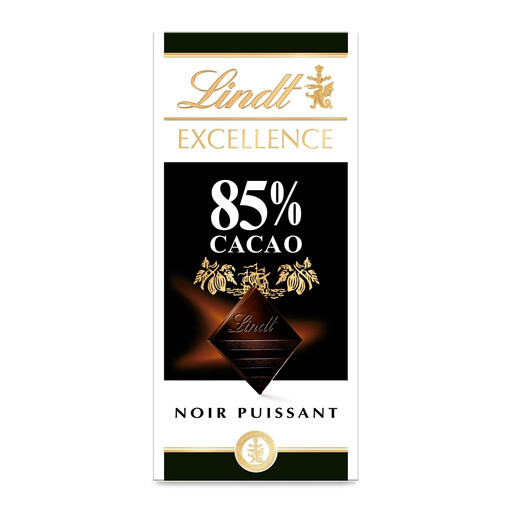
What sets it apart: The Lindt Excellence range is a benchmark for lovers of intense flavours. This 85% dark chocolate bar is crafted from high-quality cocoa beans, releasing a remarkable aromatic power. Its exceptional thinness allows for a slow melt-in-the-mouth experience, which gradually unfolds complex, roasted notes.
Highlights:
Who is it for? Aimed at connoisseurs and purists seeking an intense dark chocolate for a special tasting moment, or to pair with a coffee or a spirit.
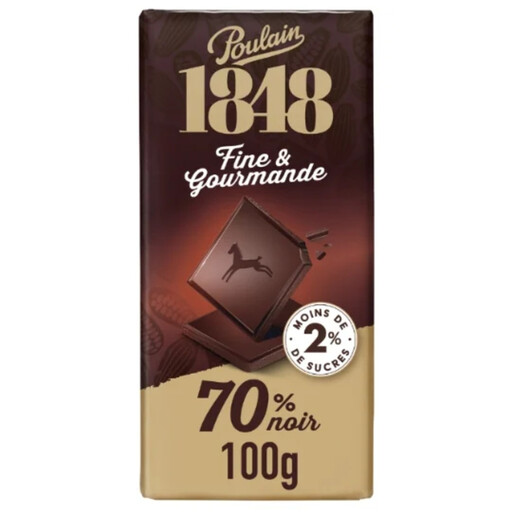
What sets it apart: This 70% dark chocolate bar meets a growing demand for indulgent yet low-sugar products. Traditional sugar is replaced with maltitol, a sweetener. With only 0.5g of sugars per 100g, it allows you to enjoy the intensity of cocoa without compromising on pleasure.
Highlights:
Who is it for? Perfect for those on a low-carb diet or looking for a dark chocolate for diabetics, while still enjoying the richness of a 70% cocoa chocolate. To be consumed in moderation, of course.
Our selection is just a taste. To explore other percentages, discover rare-origin cocoas, or find different formats, feel free to browse our complete catalogue.
? Explore our full range of dark chocolate bars
The difference lies mainly in the intensity and sugar content. A 70% dark chocolate offers a nice balance between the bitterness of cocoa and a slight sweetness, with often perceptible fruity or floral notes. An 85% dark chocolate is significantly more bitter, more powerful, and less sweet. It reveals rawer, roasted, and earthy aromas that appeal to more experienced palates.
In theory, yes, but the result won't be the same. A baking dark chocolate, often around 50-60% cocoa, is designed to melt perfectly and integrate harmoniously into recipes. Using an 85% chocolate in a mousse will make it very intense and potentially too bitter if the recipe isn't adjusted for sugar. For predictable results, it's better to opt for a chocolate designed for baking.
A no added sugar dark chocolate that uses sweeteners like maltitol has a lower impact on blood sugar levels than traditional chocolate. This is why it is often seen as a better option. However, this does not mean it is free of carbohydrates or calories. It remains essential to read the nutritional information carefully and, most importantly, to consult your doctor or a dietitian to properly integrate it into your diet.