
Livraison le jour même ou le lendemain

Qualité garantie

Débloquez vos offres de bienvenue: Livraison GRATUITE | Jusqu'à -80 % | 30 jours d'essai gratuits à JoyPlus
Téléchargez l'application
A colourful can, a promise of improved concentration and a fruity flavour can be enough to trigger a purchase. However, not all energy drinks meet the same needs. From 150 ml cans and large 500 ml formats to sugar-free recipes and concentrated drinks, it is worth taking the time to check a few points before choosing.
A fruity energy drink, flavoured with blueberry, watermelon or red berries, may contain just as much sugar as a classic recipe. Colour and flavour do not tell you anything reliable about its ingredients. Always check the nutrition table, especially the “carbohydrates” and “of which sugars” lines, per 100 ml and per can.
As a guide, some flavoured Red Bull products contain around 11 g of sugar per 100 ml, equating to almost 27.5 g in a 250 ml can. By contrast, a sugar-free energy drink may contain 0 g of sugar while still including sweeteners and a similar amount of caffeine.
A 500 ml can may seem convenient for a long work, gaming or driving session. However, the amount of caffeine consumed depends on the total volume, not just the figure shown on the label. Monster Energy Ultra Strawberry Dreams, for example, states 30 mg of caffeine per 100 ml, which works out at around 150 mg in a 500 ml can.
Remember to add up the coffee, tea, cola drinks and supplements containing caffeine consumed during the same day. People who are sensitive to caffeine should take extra care, particularly because of its possible effects on sleep, nervousness and palpitations.
A multipack of energy drinks can reduce the price per unit, but it also uses up part of your budget and storage space. Before choosing 12 or 24 cans, ask yourself the following questions:
Caffeine remains the most straightforward criterion when comparing two products. In Europe, a drink containing more than 150 mg of caffeine per litre must display a statement highlighting its high caffeine content and advising certain groups to exercise caution. Many cans sold in France contain around 32 mg per 100 ml, or approximately 80 mg per 250 ml.
Taurine and B vitamins often feature prominently in brands’ marketing. Their presence provides information about the formula, but is neither a medical guarantee nor proof of effectiveness for everyone. Check the quantities and the full ingredients list rather than relying solely on the promise of an “energy boost”.
If you want to limit your sugar intake, a sugar-free recipe may fit your eating habits better. However, it is not automatically caffeine-free. Red Bull Sugar-Free, for example, lists 0 g of sugar and 2 kcal per 100 ml, along with taurine, caffeine, B vitamins and sweeteners such as acesulfame K and sucralose.
For more occasional consumption, a 50 ml energy shot or an energy tablet or powder may offer a more compact format. In all cases, read the recommended serving, the caffeine content per portion and the warnings shown on the packaging.
The 250 ml format makes it easier to calculate how much you are consuming and is easy to carry. The 500 ml format reduces the number of packages you need to open, but increases the total dose per container. Small 150 ml bottles, such as M-150 or Carabao, are suitable for those who prefer smaller portions.
Store unopened drinks in a cool, dry place away from sunlight. Once opened, follow the packaging instructions and consume them promptly. An energy drink is not a substitute for drinking water every day or for a drink specifically designed to rehydrate you during exercise.
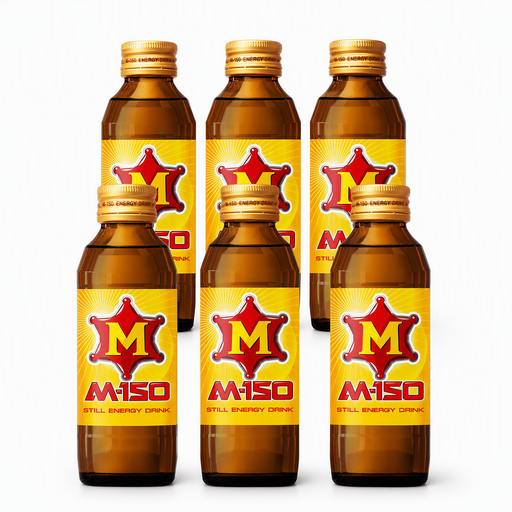
Why this choice suits this profile : Its 150 ml bottle limits the amount consumed in one go. The six-pack lets you try the format without ending up with an excessive stock.
Its small container helps you avoid automatically choosing a large can without considering the volume you will actually consume.
Compact 150 ml format and pack of six.
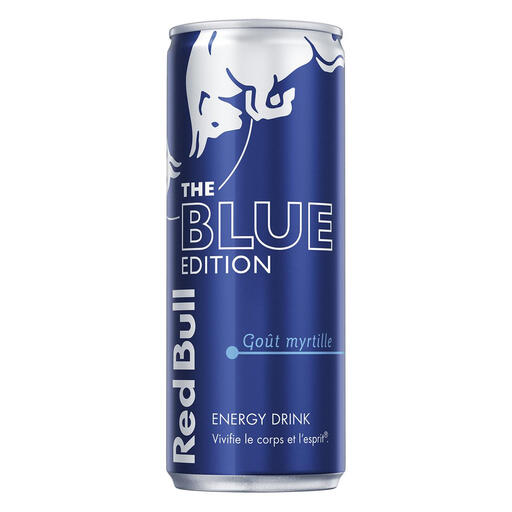
Why this choice suits this profile : This product focuses on a distinctive blueberry flavour, in an individual 250 ml can that is easy to take with you on a journey or for a break.
The product details distinguish between sugars, caffeine and taurine, making it easier to compare products before buying.
Blueberry flavour, 250 ml format and no fat, according to the product details.
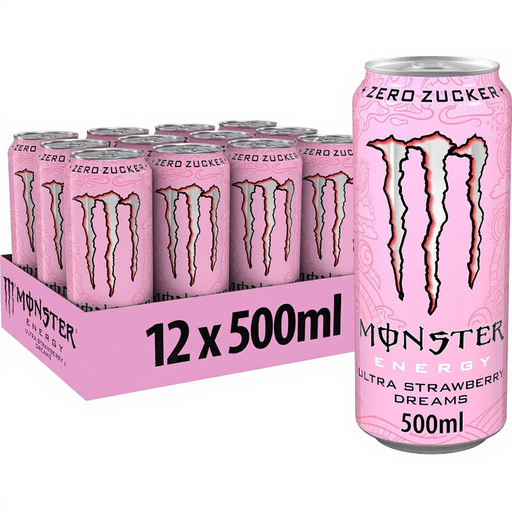
Why this choice suits this profile : Its pack of 12 500 ml cans is aimed at households, offices or gaming spaces where this type of drink is consumed regularly.
The product details state 0 g of sugar and a caffeine content of 30 mg per 100 ml. However, you should take the pack’s total volume into account.
Sugar-free recipe, strawberry flavour, 12 × 500 ml and approximately 2 kcal per 100 ml, according to the product details.
We have brought together a complete selection, updated in real time, of products meeting these demanding criteria and complying with European safety regulations.
Caffeinated energy drinks are not recommended for children, pregnant or breastfeeding women, or people who are sensitive to caffeine. Check the label and ask a healthcare professional for advice if you have any concerns or are taking specific medication.
Avoid mixing them with alcohol. For sport, water remains the go-to drink for everyday hydration. Before buying in large quantities, compare the caffeine per serving, sugar content, format and price per 100 ml.
A can is generally ready to drink and contains between 150 and 500 ml. An energy shot contains only a few dozen millilitres and is consumed in a small quantity. This format is convenient to carry, but its caffeine concentration should be checked carefully.
Not necessarily. Removing sugar affects the nutritional recipe, not automatically the caffeine content. Always compare the quantity stated per 100 ml and per container. A sugar-free formula may contain sweeteners while still retaining a high caffeine content.
The price depends on the brand, flavour, volume and number of units. To compare accurately, divide the multipack price by the number of cans, then calculate the cost per 100 ml. This method allows you to compare a 250 ml can, a large 500 ml format and a pack of small bottles.