
Livraison le jour même ou le lendemain

Qualité garantie

Débloquez vos offres de bienvenue: Livraison GRATUITE | Jusqu'à -80 % | 30 jours d'essai gratuits à JoyPlus
Téléchargez l'application
A sink that drains slowly, a shower that holds water or unpleasant smells in the bathroom often indicate the start of a blockage. In this situation, choosing a drain unblocker is not simply a matter of relying on the “express” promise displayed on the bottle. The ingredients, dosage and compatibility with different materials are far more important than the product name.
An express drain unblocker may clear a build-up of hair or organic residue. However, a blockage located further down the pipe may require a different contact time. A thick gel will generally pass through standing water more effectively than a runny liquid, while a liquid formula may be more convenient for regular maintenance.
Many products contain caustic soda, also known as sodium hydroxide. This substance is corrosive to the skin and eyes and can damage certain metals. The instructions should therefore clearly state which materials are compatible. Several products specifically indicate that they must not be used on aluminium.
Before buying a drain unblocker for a sink or shower, check that it is compatible with plastic or metal pipes, enamel, porcelain and, where necessary, a septic tank.
Pouring in more product does not necessarily improve the result. It mainly increases the risk of splashes, irritating fumes and corrosive residue in the pipe. The dosage stated on the label should always be followed, particularly for a drain unblocker intended for toilets or bathrooms.
A liquid drain unblocker is easy to pour into a slightly blocked drain. A more concentrated gel clings to the sides of the pipe and can work even with a shallow layer of standing water. For a shower or bath blocked with hair, gel may be more convenient. For pipe maintenance, it is better to choose a formula designed for regular use with clearly stated dosage instructions.
Read the substances listed on the label carefully:
A completely mineral blockage, a trapped object or a broken pipe cannot necessarily be treated with a chemical drain unblocker. A plunger, drain snake or visit from a plumber may be more suitable.
A product carrying the DANGER pictogram must be handled with chemical-resistant gloves and eye protection. Ventilate the room, keep children and pets away, and follow the instructions carefully.
Never mix a drain unblocker with bleach, an acid, a limescale remover or any other household product. Dangerous gases could form. If the product comes into contact with your skin or eyes, rinse thoroughly with water and follow the instructions on the label. If swallowed, do not induce vomiting and contact a poison centre or doctor promptly.
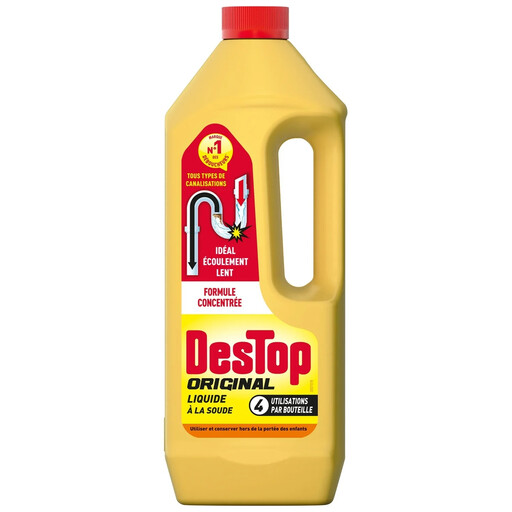
Why this choice suits this profile: Its 950 ml format is ideal for a first purchase and can be used on kitchen and bathroom pipes, provided the instructions on the label are followed.
The description mentions hair and grease, two common types of residue, while also reminding users that the product must not be used on aluminium.
A versatile 950 ml format and a formula that states it contains sodium hydroxide.
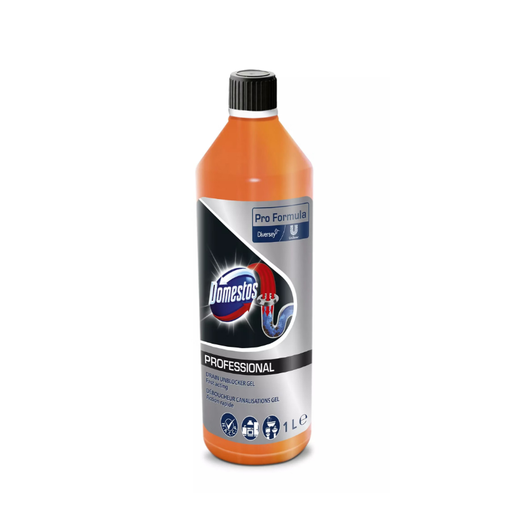
Why this choice suits this profile: Its one-litre bottle and instructions for occasional or preventative use make it suitable for households that want to plan their pipe maintenance.
The instructions distinguish between treating a blockage and preventative use, helping to avoid overdosing.
An alkaline gel advertised as effective against hair, soap residue and organic matter, and compatible with plastic and metal pipes according to the description.
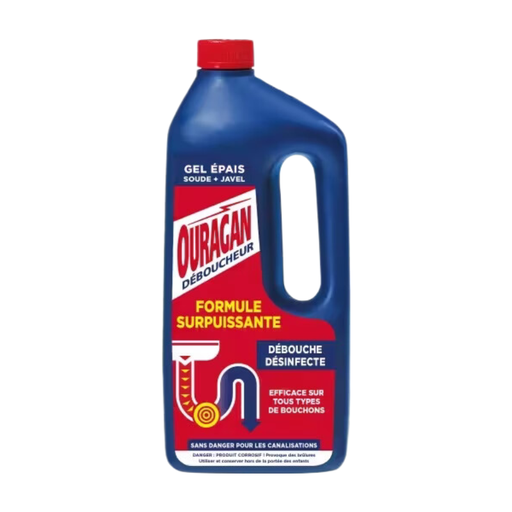
Why this choice suits this profile: This gel is presented as working in 15 minutes on slow-draining or standing water, making it a practical format for repeated household use.
Its thick texture is designed to pass through standing water, but the label prohibits mixing it with other cleaning products.
A 1-litre format, advertised action in 15 minutes and instructions for use in sinks, washbasins, baths, showers and toilets.
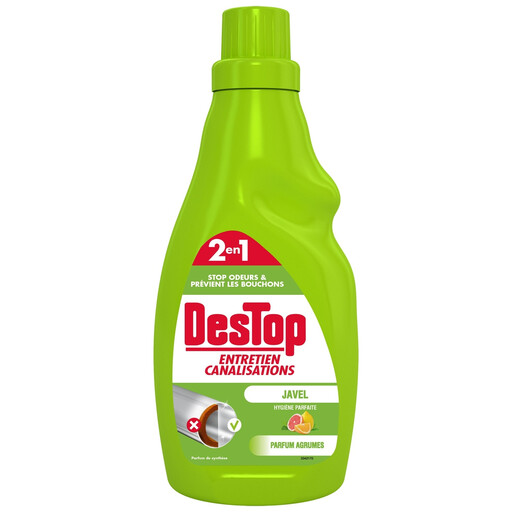
Why this choice suits this profile: Its 2-in-1 format is aimed at those looking for a bathroom drain unblocker that also fits into a proper maintenance routine.
The description distinguishes between cleaning, reducing odours and maintenance. However, the presence of bleaching agents means that suitable ventilation and protection are required.
A thick 750 ml gel, a citrus fragrance and instructions for use on PVC and metal pipes according to the product information.
We have put together a complete, real-time updated list of products that fully meet these strict selection criteria and European safety regulations.
Chemical pipe products must not be confused with draining food supplements. For example, Nutri&Co powders are intended to support the body’s natural fluid balance and are not used to unblock pipes. They are not medicines and must be used in accordance with their instructions. If you are undergoing treatment or have a medical condition, seek advice from a healthcare professional.
A drain-unblocking gel that mentions hair and soap residue may be suitable for this type of blockage. First remove any accessible build-up, then follow the dosage and contact time instructions. If the water is not draining at all, a plunger or drain snake may help complete the job.
Some products state that they can be used in toilets, but this is not always the case. Check the instructions before use. Never use a drain unblocker in a toilet bowl that already contains another product, particularly an acidic cleaner or bleach.
Shelf life depends on the product and the information provided on the packaging. Keep the bottle closed in a cool, dry place away from heat, food and children. If the label is unreadable or the container is damaged, it is better not to use the product.