
Livraison le jour même ou le lendemain

Qualité garantie

Débloquez vos offres de bienvenue: Livraison GRATUITE | Jusqu'à -80 % | 30 jours d'essai gratuits à JoyPlus
Téléchargez l'application
A slow-draining pipe, a shower that fills with water, or a smelly sink often needs quick action. But picking a drain unblocker gel at random can be costly and, in some cases, damage your plumbing.
Before you go for a gel drain unblocker for your sink, basin or shower, it’s best to identify what’s causing the blockage, check compatibility with your pipe materials, and read the safety instructions carefully. Here are the key factors to consider when choosing the right product for your home.
The phrase “fast action” usually refers to the contact time stated by the manufacturer. It doesn’t guarantee that a stubborn blockage will disappear after just one application. Hair, grease, soap and food debris all react differently.
That said, a thick gel has a practical advantage: it passes through standing water more easily and stays in contact with the pipe walls longer than a runny liquid. You still need to follow the dosage and contact time on the label to the letter.
Some products that claim to be compatible with plastic or metal pipes have restrictions when it comes to aluminium or certain sensitive surfaces. A toilet drain unblocker may also need special care depending on the type of bowl, whether you have a septic tank, or the condition of your pipework.
Always check the label and product information before use. If you’re in any doubt, go for a mechanical method or ask the manufacturer for advice.
This is one of the most dangerous mistakes you can make. A drain unblocker containing caustic soda must never be mixed with bleach, acid, ammonia or any other cleaner. These combinations can cause hazardous reactions, including the release of irritating or toxic fumes.
Wear chemical-resistant gloves and eye protection, ventilate the room, and keep children and pets well away.
To tackle hair and grease, look for a formula that lists organic matter, soap residue or food deposits on the product sheet. Gels based on sodium hydroxide – also known as caustic soda – are alkaline and must be handled with care.
A formula containing bleaching agents can work for certain maintenance needs, but it should never be mixed with another product. To fight bad odours, make sure the product targets organic residue rather than just masking the problem with a fragrance.
A fast-acting drain unblocker may need 15 minutes to work, while a stubborn blockage might require longer – sometimes even an overnight application. The amount you need also varies from product to product: some recommend a dose of 150 to 500 ml, while others have a different application method.
Don’t increase the dose to try and speed things up. Using too much product mainly increases your exposure to risk and the amount of chemicals released into the wastewater.
Before treating a sink, bath, shower or toilet, check the following points:
If the water won’t drain at all, if several outlets are affected, or if the problem keeps coming back quickly, the blockage may be further down the pipework. In that case, a chemical product won’t necessarily replace a drain snake, a plunger or a call to a professional.
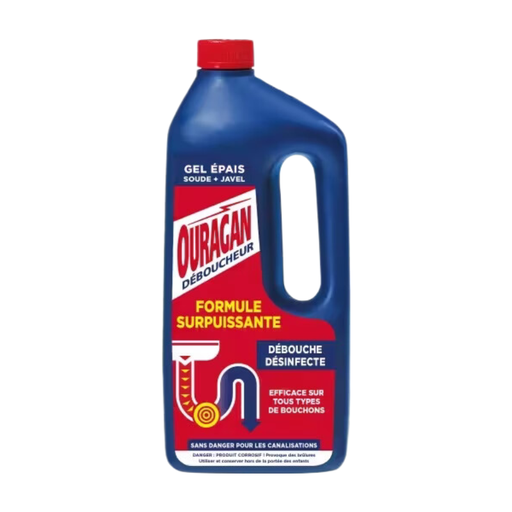
Why this suits this profile: its one-litre size and the fact it can be used without removing standing water first make it a practical option for a first attempt on a sink, basin or shower.
The product sheet states a 15-minute contact time and confirms the gel can be poured into a drain containing standing water. You still need to check compatibility with your pipe materials and follow the instructions on the label.
Concentrated gel, 1 L size, claimed to be effective on hair, grease and organic residue.
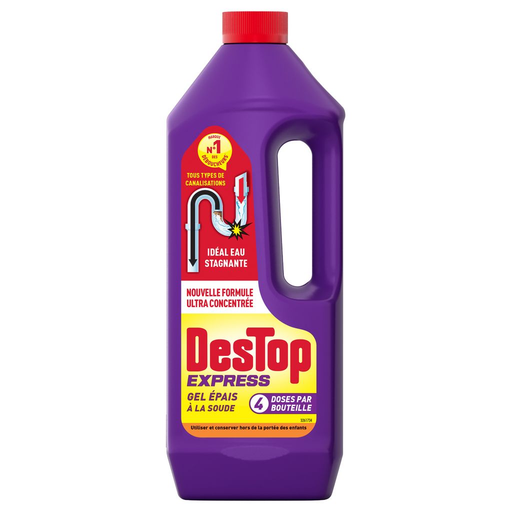
Why this suits this profile: its thick gel and 950 ml size are ideal for households that want to treat several drains around the house from time to time.
The description states the gel penetrates standing water. However, the restriction regarding aluminium should be checked before purchase.
Thick gel, 950 ml size, claimed suitable for showers, sinks and toilets.
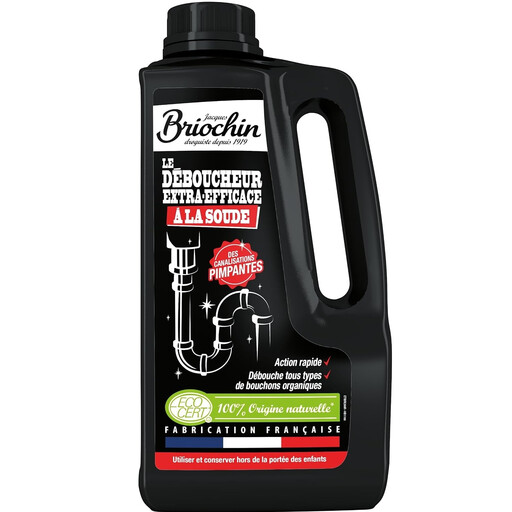
Why this suits this profile: its formula, stated to contain 20% caustic soda, is aimed at users who want a clearly listed composition to tackle blockages made of grease, soap or hair.
The concentration is stated in the description, so you’re not relying on a vague promise of power. The product is not suitable for aluminium.
Concentrated formula, 900 ml size and a stated contact time of 15 to 30 minutes.
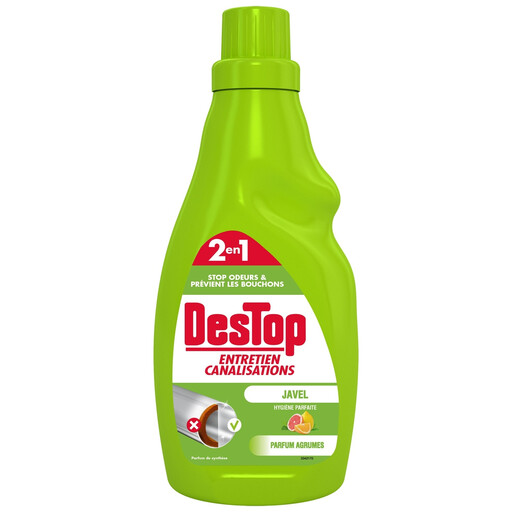
Why this suits this profile: its formula combines unblocking and maintenance, with a claimed action on organic residue and bad odours in household drains.
The description distinguishes the maintenance function from the unblocking action. The presence of bleaching agents means you must never mix the product with acids or ammonia.
750 ml size, gel claimed to cling to pipe walls, citrus fragrance and maintenance function.
We’ve put together a full, real-time updated list of products that meet these exacting criteria as well as European safety regulations.
Only if the label clearly states the product is suitable for that use. Pour it in slowly, follow the dosage, and don’t use it at the same time as a plunger or another cleaner. If the toilet stays blocked, a mechanical solution or a call to a professional will often be more appropriate.
It depends on the formula. Some products say around 15 minutes, while others recommend 15 to 30 minutes, or even longer for stubborn blockages. Only follow the instructions for the product you’re using, and rinse thoroughly as directed by the manufacturer.
Regularly remove hair from the plug hole, don’t pour grease down the sink, and fit a drain strainer. Periodic drain maintenance, carried out according to the manufacturer’s instructions, can complement these good habits. However, it doesn’t replace cleaning the trap when you can access it.