Older people who have no difficulty chewing or swallowing
For an afternoon snack with a dry, crunchy biscuit, taste, portion size and the sugar, salt, fibre and allergen information can all help you compare products.


A Digestive biscuit may be suitable for an older person who can chew and swallow without difficulty, but its name tells you neither whether the texture is right for them nor what it contains. Check the label and the portion served. Crispbread is a better choice if you want a base to add toppings to, while gluten-free or lactose-free biscuits are designed for specific dietary restrictions. If someone has difficulty swallowing or is losing weight, the French National Authority for Health and the French health insurance system respectively stress the need to adapt food consistency to the individual and have the risk of malnutrition assessed.
For an afternoon snack with a dry, crunchy biscuit, taste, portion size and the sugar, salt, fibre and allergen information can all help you compare products.
A biscuit should be considered as part of the person’s overall food intake, not as a standalone solution to reduced intake. The French health insurance system notes that an inadequate intake of energy, protein and nutrients can lead to malnutrition, and that a medical examination is needed to identify it.
An allergy or the need to avoid gluten or lactose means checking the exact product you buy. If someone has dysphagia, the French National Authority for Health says that a healthcare professional must determine the right consistency for the individual. You cannot tell what is suitable from someone’s age or the name of the biscuit.
When choosing between Digestive biscuits, crispbread and biscuits that meet a dietary restriction, first check that the texture is suitable for the person. Then consider the snack’s place in their diet and read the product label.
| What to consider | What to check | Who is it for? |
|---|---|---|
| Chewing and swallowing | Check whether a specific texture has been prescribed. If the person has difficulty swallowing, follow their healthcare professional’s advice rather than automatically choosing a dry biscuit. | If swallowing or chewing is difficult, texture matters more than the choice between a biscuit and crispbread; around 36% of consumers put this need first. |
| The snack’s place in the diet | Consider the portion actually eaten and the other foods served at snack time. If the person is losing weight or eating significantly less, seek medical advice. | If the person eats little, make sure their snack contributes to an appropriate intake rather than relying on a biscuit alone. This nutritional need is the top priority for around 29% of consumers. |
| Ingredients and restrictions | Read the ingredients and allergen information for the product you buy. Compare sugar, fat, fibre and salt per 100 g, then consider the portion served. | If there is an allergy, a food being avoided or ingredients to compare, the label should guide your choice; around 21% of consumers put ingredients first. |
| Taste and portion size | Choose between a ready-to-serve biscuit and crispbread to add toppings to, then pick a pack size that suits the number of snacks planned. | Once other needs have been taken into account, I’m mainly looking for a snack that’s enjoyable and easy to prepare; taste and convenience are the top criteria for around 14% of consumers. |
Age alone does not determine someone’s ability to chew or swallow. According to the French National Authority for Health, difficulty swallowing means the consistency must be chosen for the individual.
Before serving Digestive biscuits or crispbread to someone with swallowing difficulties, follow the texture guidance given by the healthcare professional looking after them.
These terms do not replace the ingredients list, allergen information or nutrition information. A product designed for a specific dietary restriction will not necessarily have the sugar, fat or salt levels you are looking for.
Compare products per 100 g and relate the figures to the portion actually served. Always check the label on the pack you buy.
A biscuit can be part of an afternoon snack, but it cannot, on its own, assess or address an inadequate diet. The French health insurance system says that a medical examination is needed to identify malnutrition.
If the person is losing weight or eating considerably less, seek medical advice rather than choosing a snack based only on the name of the biscuit.
Carrefour lists McVitie’s Digestive wholegrain biscuits in a 360 g pack in its crunchy biscuits range.
Carrefour lists Cracotte wholegrain crispbreads in its crispbread, toast and cracker range.
Auchan lists Gerblé Happy Digest Céréales biscuits as a gluten-free and lactose-free option.
This selection includes biscuits to serve at snack time and crunchy crispbread to add toppings to. To choose, consider how each product is intended to be used and check its label. Their inclusion here does not mean they are classic Digestive biscuits or that their texture is suitable for everyone.
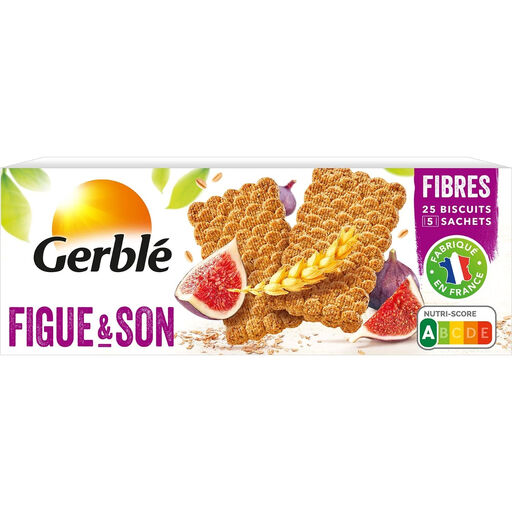 Image unavailable
An option for a snack with a cereal biscuit, if the texture is suitable for the person. The pack contains 210 g. Check its label for the ingredients, allergens and nutritional values for the portion served.
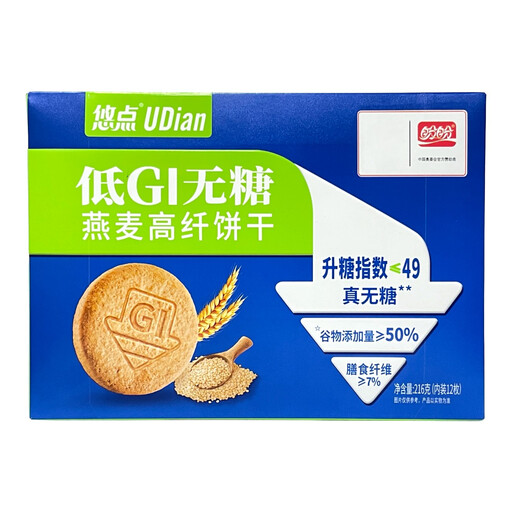 Image unavailable
This 216 g pack is an option for an oat-based biscuit snack. The “sugar-free” claim associated with the product does not match the presence of sugars in its nutritional information, so check the pack label before relying on this claim. Also check the allergens and whether the texture is suitable for the person.
 Image unavailable
Consider this as crunchy crispbread to add toppings to, rather than as a Digestive biscuit; the pack contains 425 g. This product contains gluten. If chewing or swallowing is difficult, don’t choose this texture without following the healthcare professional’s advice.
Don’t serve it as the default solution. The French National Authority for Health says that, in cases of dysphagia, a healthcare professional should recommend a consistency suited to the individual and their swallowing difficulties.
First check the ingredients and allergen information for the product you buy, then look at its nutritional information and the portion served. The European Commission states that prepacked foods sold in the European Union must display information including ingredients, allergens and nutritional information.
No, the name alone does not establish that the biscuit has any effect on digestion. To compare two products, look at their ingredients, allergens and nutritional values rather than relying on the name.
No, a biscuit on its own is not enough in this situation. The French health insurance system says that an inadequate intake of energy, protein and nutrients can lead to malnutrition, and that a medical examination is needed to identify it. Seek medical advice if the person is losing weight or eating very little.