For anyone keeping an eye on fibre
You’d like to add a wholegrain cereal product to your first kitchen cupboard. The ingredients list and fibre per 100 g can help you compare recipes, without assuming rusks have a medicinal effect.


For your first food shop, choose a rusk based on its ingredients and nutritional values per 100 g, rather than looking for a ‘digestive’ promise. If fibre is your priority, check for wholemeal flour and the fibre content, without overlooking sugars, salt and allergens. Rusks don’t treat digestive problems.
You’d like to add a wholegrain cereal product to your first kitchen cupboard. The ingredients list and fibre per 100 g can help you compare recipes, without assuming rusks have a medicinal effect.
You’re looking for a pack that suits how quickly you’ll get through it. Check the net weight, the number of slices if stated, and the storage instructions once opened.
If you need to avoid an allergen or follow dietary requirements, check each product: the wholemeal recipes reviewed contain wheat, and some also mention milk or possible traces of other allergens.
When comparing rusks on your first food shop, start with what matters most to you, then read the label on the product you’ve chosen.
| Criteria | What to check | Who it’s for |
|---|---|---|
| Fibre and wholegrains | Compare the fibre per 100 g and look for wholemeal flours in the ingredients list. | If I want a wholegrain cereal recipe for breakfast, its ingredients help guide my choice. Around 45% of consumers also prioritise fibre and wholegrains. |
| Pack size and storage | Check the net weight, the number of slices if stated, and the storage instructions once opened. | For my first kitchen cupboard, I prefer a pack I can finish and store properly. Pack size and storage come first for around 33% of consumers. |
| Ingredients and allergens | Read the ingredients, highlighted allergens and any warnings about possible traces. | When an ingredient determines what I can buy, the word ‘wholemeal’ isn’t enough to make a choice. Ingredients and allergens are the top priority for around 22% of consumers. |
To check sugars, salt and fat too, compare the nutritional values on the same basis. The French Directorate-General for Competition Policy, Consumer Affairs and Fraud Control states that nutrition declarations on prepacked foods are given per 100 g or 100 ml to make comparisons easier.
The word is no substitute for reading the ingredients or considering what’s right for you. Fibre content doesn’t prove that a rusk will ease digestive problems.
Choose ingredients that suit you, and ask a healthcare professional for advice if you need to adapt your diet because of a digestive problem.
The wholemeal wheat rusks reviewed contain wheat; other recipes may contain milk or carry warnings about possible traces. Ingredients vary from one product to another.
Check the ingredients and allergens on the pack you buy, even if you already know the range.
These examples relate to specific recipes: the ingredients and nutritional values of one product don’t describe an entire brand.
Worth a look if you want to stick with the rusk format and compare a wholemeal wheat recipe.
Crispy crispbreads to consider if you’re happy with a format that differs from traditional rusks.
A wholemeal flour rusk to consider if you’re looking for this recipe in an organic range.
Several own-brand ranges to explore if you’re choosing between plain, multigrain, wholemeal or no-added-salt recipes.
This selection includes rusks for your first kitchen cupboard and two Swedish cereal products in a different format. If fibre is your priority, compare the label of each variant rather than relying on its name alone.
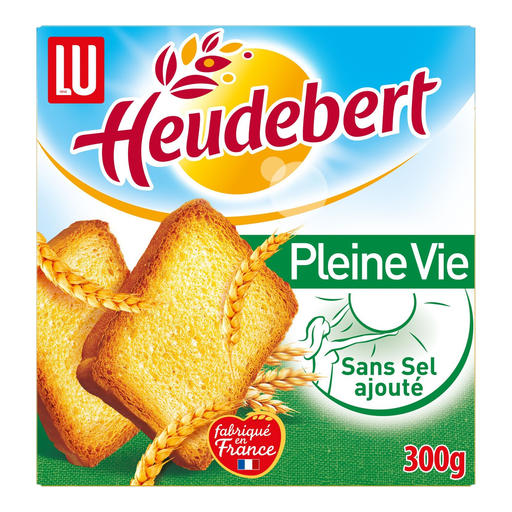 Image unavailable
Worth a look if you’re after breakfast rusks and keeping an eye on salt. The pack is listed as 300 g; check the fibre and allergens on the product you buy if these are important to you.
 Image unavailable
Consider this if a Swedish cereal product would suit you in place of traditional rusks. This variant is listed as 425 g; check its ingredients and nutritional values per 100 g before comparing it with rusks.
 Image unavailable
This Swedish format could be part of your comparison if you’re not looking exclusively for traditional rusks. The pack is listed as 240 g: don’t confuse this variant with the 425 g one, and check the ingredients of each.
 Image unavailable
Worth a look if you’d like to start with plain breakfast rusks. The pack is listed as 300 g; if fibre is influencing your purchase, check the amount on the packaging for this variant.
Check its ingredients and nutritional values rather than assuming it will aid digestion. Fibre, wholemeal flours, salt and sugars help you compare recipes, but they don’t make a rusk a treatment.
Compare their nutritional values per 100 g side by side, then check the ingredients and allergens in each recipe. This common basis makes it easier to compare fibre, sugars and salt in particular.
The word ‘wholemeal’ alone isn’t enough to tell you whether a recipe is right for you. If you have a digestive problem or are following a prescribed diet, ask a healthcare professional for advice tailored to your needs.
At the very least, check the cereals listed in the recipe and any other allergen or possible-trace warnings: the products reviewed contain wheat, and some mention milk or other possible allergens. In France, the Directorate-General for Competition Policy, Consumer Affairs and Fraud Control states that allergenic ingredients must be highlighted on the label.