
Same-day & Next-day Delivery

Quality Guaranteed

Unlock Your Welcome Offers: FREE Delivery | Up to 80% OFF | Free 30-day JoyPlus trial
Download the APP
Far more than a simple decorative object, a designer pendant light is the centrepiece that sets the tone for your interior and influences your daily comfort. The problem? The market is flooded with attractive models that sometimes hide deal-breaking flaws. To prevent an impulse buy from turning into a costly regret, here are the 3 pitfalls to be aware of before you pull out your credit card.
Faced with a plethora of options, it's easy to be misled. Here are the pitfalls to sidestep to make a truly informed choice.
We often fall for a designer light fixture because of its looks. The risk with bare-bulb or transparent glass models is ending up with direct, harsh lighting. Placed over a dining table, such a pendant can quickly turn dinner into a visual ordeal for your guests, forcing them to squint. The goal is to create an atmosphere, not to equip an interrogation room.
The "wow" factor of a brass pendant light or a black metal pendant light can be short-lived if the manufacturing quality isn't up to par. Low-end finishes (thin plating, poor-quality paint) are a nightmare in practice: they scratch, oxidise, and discolour. Brass that turns green in six months or black paint that chips is a sign of a poor investment that ruins the entire aesthetic of the room.
In interior design, size matters. A pendant light that's too small will look lost in a large living room, while an oversized modern chandelier will visually overwhelm a table or a kitchen island. A light fixture, no matter how beautiful, must be in dialogue with the room's volume and the proportions of the furniture it hangs above.
To avoid these pitfalls, here are the technical points to check. They are the secret to a light fixture that combines style and functionality.
The way light spreads throughout the room is a critical factor. There are three main types of lighting:
A design that lasts is, above all, a well-constructed design using quality materials.
A few simple rules to get it right:
To move from theory to practice, here are a few models that perfectly illustrate this advice and cater to specific tastes.
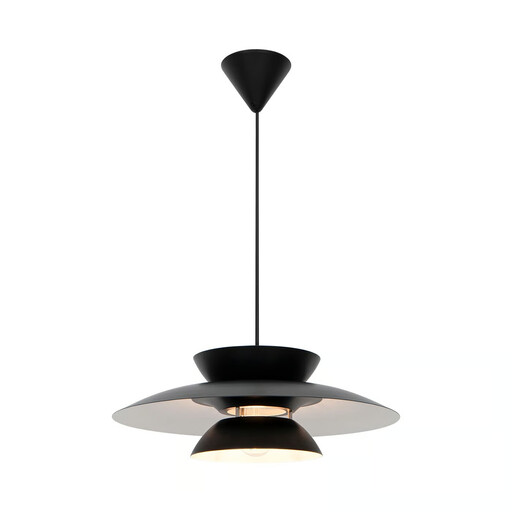
The profile: This model is perfect for those seeking a minimalist yet warm aesthetic. Inspired by the great classics of Scandinavian design, it fits just as well in a contemporary interior as in a more traditional setting, especially above a light wood table.
Its layered slat structure completely conceals the bulb. The result: no direct glare, just soft, diffused light, perfect for a dinner party atmosphere.
Its all-metal construction is a guarantee of durability and easy maintenance. The design of the slats is engineered for a particularly refined light diffusion.
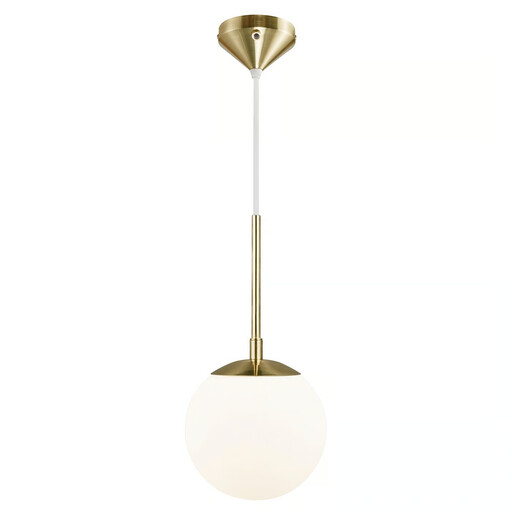
The profile: For those who want a touch of modern chic without being ostentatious. The combination of brass and opal glass is a hallmark of sophisticated interiors. Perfect on its own in an entryway or grouped over a bar.
The white opal glass globe ensures perfectly diffused, non-harsh light. The brass structure is a noble and durable material, avoiding the trap of cheap, "bling" finishes that age poorly.
The glass is mouth-blown, giving each piece a unique character. Slight variations in shape or thickness are proof of artisanal craftsmanship.
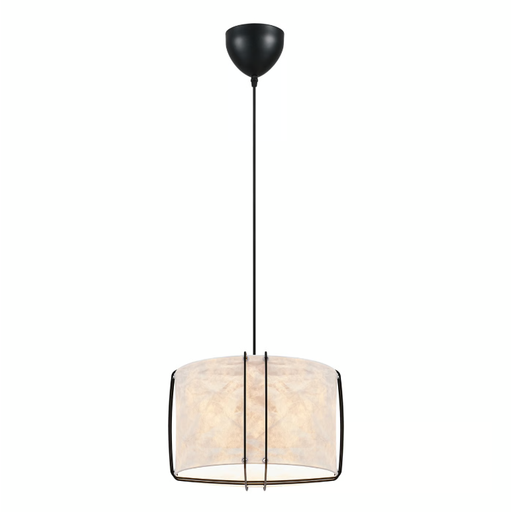
The profile: This is the quintessence of the Japandi style, a trend that blends Scandinavian simplicity with Japanese Zen philosophy. Its lightness and organic texture bring a poetic and calming touch, ideal for a bedroom or living room.
The lampshade, made of a textured material resembling crumpled paper, is designed to diffuse a warm, soft light without any glare. Its generous diameter (35 cm) gives it a beautiful visual presence while remaining lightweight.
The Tyvek material is far more resistant and durable than conventional paper. The thin suspension cables accentuate its airy, almost floating appearance.
Discover our complete selection of light fixtures that meet all our criteria for quality, design, and safety.
1. At what height should I hang a pendant light over a table? The golden rule: the bottom of the fixture should be between 75 and 90 cm from the tabletop. This is the perfect height to provide good lighting without obstructing the view of your guests or bumping heads when standing up.
2. What kind of bulb should I choose for my pendant light? Opt for LED bulbs, which are more energy-efficient and long-lasting. For a cosy atmosphere, aim for a colour temperature of 2700 K (warm white). And if your fixture allows it, a dimmable bulb is a real bonus for adjusting the lighting to suit your mood.
3. How do I clean my metal or glass pendant light? First safety rule: always turn off the power before doing any work! For dust, a simple soft, dry cloth is sufficient for both metal (black, brass, etc.) and glass. Above all, never use aggressive or abrasive cleaning products that could damage the finishes. For glass, a slightly damp microfibre cloth will do the trick, as long as you dry it immediately afterwards to avoid leaving any streaks.