
Livraison le jour même ou le lendemain

Qualité garantie

Débloquez vos offres de bienvenue: Livraison GRATUITE | Jusqu'à -80 % | 30 jours d'essai gratuits à JoyPlus
Téléchargez l'application
You’re flowing through poses, your breath is in sync, but one thing keeps breaking your focus: your hands slipping, again and again. A yoga mat that turns into an ice rink with a bit of sweat is more than just an annoyance—it's a safety risk and a barrier to your progress.
As a product expert for our editorial team, I sift through user reviews and technical specs to separate the wheat from the chaff. My goal? To help you navigate past the marketing traps. Before you choose your next cork yoga mat, here are the three most common mistakes to avoid.
To ensure you never regret your purchase again, focus on the features that solve these problems. Here are the three points to scrutinise.
The secret to cork lies in its unique cellular structure. It contains suberin, a waxy substance that gives it a seemingly counter-intuitive property: its grip increases with moisture.
Unlike PVC or TPE mats that become slippery, a cork yoga mat becomes your true ally the moment you start to sweat. This is why it's often recommended as the ultimate hot yoga mat. If you're looking for a non-slip yoga mat, even during the most intense sessions, cork is a material you should seriously consider.
The thickness of a yoga mat is not just a detail. It directly impacts the comfort of your joints (knees, wrists, elbows) and your stability.
The base of the mat is just as important. A TPE (Thermoplastic Elastomer) base is a smart choice. This material is recyclable, free of latex and PVC, and provides excellent grip on the floor, preventing the mat from shifting during your practice.
A truly natural and eco-friendly yoga mat is the result of thoughtful construction. The combination of a cork surface and a TPE base is a winning formula. Cork is a renewable resource (the tree's bark regenerates after harvesting), and TPE is a more environmentally friendly material than PVC.
Verify that the two layers are bonded using a thermal process rather than chemical glues to ensure a healthier product for you and the planet.
To move from theory to practice, we put these criteria to the test with real products, matching them to typical user profiles. Here’s how the right choice can change everything (and how a poor one can quickly become a regret).

The Need: Ideal for Vinyasa, Ashtanga, or Hot Yoga practitioners who sweat a lot and demand perfect grip. This user profile seeks performance and security to focus 100% on their practice.
The natural cork surface is the perfect counter to sweat-induced slipping. Its grip improves with moisture, unlike classic mats. The TPE base anchors the mat to the floor.
5mm Cushioning: Effectively protects knees and wrists. Healthy Composition: Renewable cork and recyclable TPE, bonded without harmful glues.
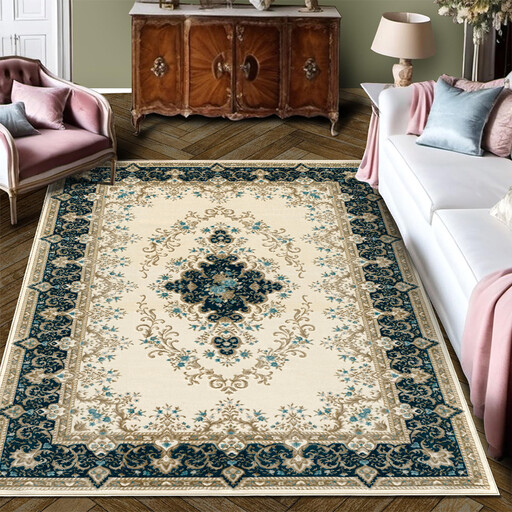
The Trap: A beginner might think a pretty living room rug is good enough to start. This is a classic mistake that leads to discomfort, or even injury, and is likely to discourage them from continuing.
This product is not designed for yoga at all. It offers no grip, slides on the floor, and its fibres will become a breeding ground for bacteria when exposed to sweat. The cushioning is non-existent or completely unsuitable.
Zero Grip: Dangerous for poses like Downward-Facing Dog. Poor Hygiene: Difficult to clean and retains odours. No support for joints.
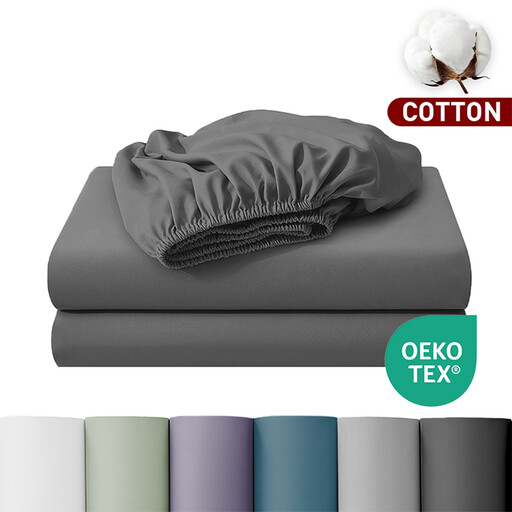
The Trap: Practising on a towel or a beach towel is a classic bad idea. Cotton absorbs sweat, sure, but it offers none of the safety and stability guarantees essential for yoga.
This product has no structure. It will bunch up, shift, and form lumps under your hands and feet, creating a constant risk of falling or twisting an ankle.
Maximum Instability: The fabric slides on the floor and gives way under pressure. Non-Existent Cushioning: The direct contact with the floor is torture for the joints.
We have curated a complete range of mats that meet our criteria for quality and durability.
Cork is naturally antimicrobial, which makes it easy to maintain. After your session, simply wipe it down with a damp cloth and a little water. For a deeper clean, use a water solution with a drop of mild soap. Avoid harsh chemicals and let it air dry away from direct sunlight.
A high-quality cork mat is designed to last. It's a material that is both flexible and durable. To preserve its integrity, do not fold it; always roll it with the cork side facing out. Some minor crumbling at the edges may appear after several years of heavy use, but this does not affect the quality of the practice surface.
Yes, for the vast majority of yogis, a 6mm thickness offers more than enough comfort for the joints on hard floors (wood, tile). This cushioning absorbs pressure during poses like Low Lunge (Anjaneyasana) or Table Top (Bharmanasana), without ever compromising the stability needed for balances.