
Livraison le jour même ou le lendemain

Qualité garantie

Débloquez vos offres de bienvenue: Livraison GRATUITE | Jusqu'à -80 % | 30 jours d'essai gratuits à JoyPlus
Téléchargez l'application
A cooking oil bottle may seem simple at first glance. Yet a dripping spout, a poorly fitting lid or a container that is impossible to clean can quickly leave you regretting your purchase. Whether you use it for olive oil, vinegar, soy sauce or a homemade preparation the right model mainly depends on your habits, how often you use it and how much space you have around the hob.
A one-litre oil bottle means fewer refills, but it also becomes considerably heavier when full. It is better suited to frequent use and a fixed position on the worktop. By contrast, a 500 ml model is easier to handle when dressing a salad or cooking with one hand.
A narrow spout can help you pour more accurately, but its shape alone will not prevent drips. Instead, check for an anti-drip system, a lid or a design that limits residual flow. Without these features, oil may run down the side of the container and leave a greasy film on your cupboard.
A narrow neck makes both filling and washing more difficult. Oil, vinegar or sauce residue can then build up around the lid. A wide opening, removable parts and a design suitable for washing are far more useful than a purely decorative appearance.
A glass oil bottle lets you check the level at a glance and quickly identify its contents. Soda-lime glass and borosilicate glass are commonly used for this type of container. The trade-off is that you need to avoid knocks and handle a full bottle carefully.
Stainless steel, particularly 304 stainless steel when stated in the product details, resists corrosion and protects the contents from light. On the other hand, you cannot check the level without opening the container. Wooden handles also require specific care, so it is best not to leave them soaking for long periods.
When choosing a leakproof oil bottle, look for precise information about the lid, seal, spout and anti-drip system. A lid also protects the contents from dust between uses. If you want to pour accurately, an oil carafe with a clear, unobstructed spout will generally be more pleasant to use than a wide-flow lid.
A vinegar bottle or sauce bottle will generally need to meet the same criteria, but the spout must be suited to the viscosity of the contents. A thick sauce will not flow in the same way as a thin oil.
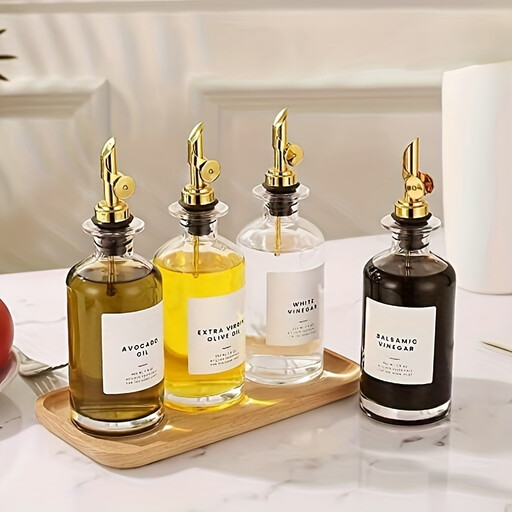
Why this choice suits this profile : This set of two containers lets you keep olive oil and vinegar separate, or have a spare bottle ready to use. The transparent glass makes it easy to monitor the level.
With two bottles, you can reduce repeated decanting and dedicate each container to a specific seasoning.
Transparent glass and a set of two, according to the product details.
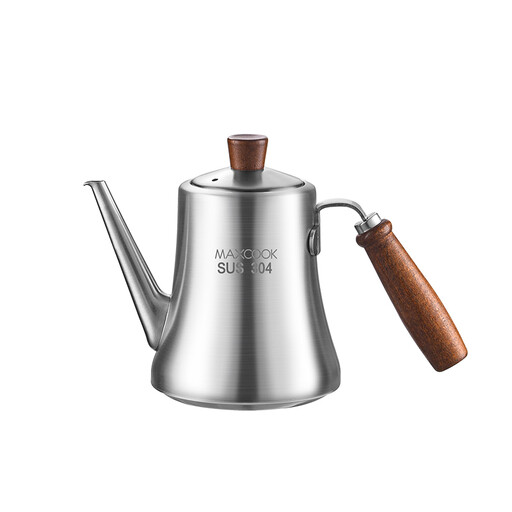
Why this choice suits this profile : Its 304 stainless steel body, non-slip handle and silicone lid are a good fit for an organised kitchen that is used every day.
The bird’s-beak-shaped spout is designed to help limit drips and liquid running back. However, the product details recommend hand washing.
304 stainless steel, steel and beech wood handle, wide opening for filling.
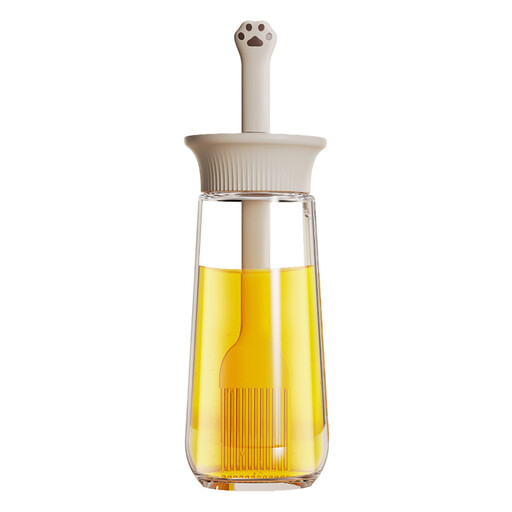
Why this choice suits this profile : The integrated brush is handy for brushing dough, a baking tray or food. With its 280 ml capacity, the container remains easy to handle while preparing food.
The lid and brush are integrated, while the various parts can be dismantled to make cleaning easier.
Silicone brush, flared neck, soda-lime glass and removable parts, according to the description provided.
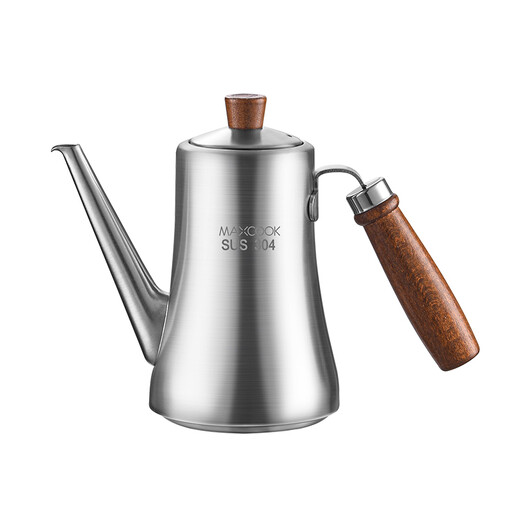
Why this choice suits this profile : Its one-litre capacity reduces the need for refilling in a kitchen where oil is used frequently. Its handle is designed to allow one-handed use.
The wide opening makes filling and cleaning easier, without the need for a funnel. The silicone lid protects the contents between uses.
304 stainless steel, anti-drip spout designed to limit residue, 1,000 ml capacity.
We have put together a complete, real-time updated list of products that meet these strict selection criteria and European safety regulations.
Before using the bottle for the first time, wash it and dry each part thoroughly. Do not fill it above the recommended level : you need to be able to replace the lid without causing an overflow. For flavoured oil or a homemade blend, note the filling date so that you can replace the contents at a frequency that suits you.
A glass container can generally be cleaned with hot water and washing-up liquid, subject to the manufacturer’s instructions. For a steel model with a wooden handle, hand washing is preferable, followed by immediate drying. If the silicone brush can be removed, take it out so you can clean the reservoir, lid and applicator head separately.
A 500 to 630 ml size suits most households looking for a good balance between capacity and ease of handling. The one-litre model is better suited to high usage, provided you can lift the container easily when it is full.
Yes, provided its opening is wide enough and the lid can be removed. However, always check the manufacturer’s recommendations and avoid thermal or mechanical shocks. The transparent design lets you monitor the level, but it also leaves the oil more exposed to light if the bottle is kept near a window.
It depends entirely on the spout design and the material used. An oil dispenser can hold several types of seasoning, but it is better to dedicate one container to each liquid to prevent flavours from mixing. For soy sauce, dedicated 150 ml or one-litre sizes are also available, depending on how you intend to use them.