
Livraison le jour même ou le lendemain

Qualité garantie

Débloquez vos offres de bienvenue: Livraison GRATUITE | Jusqu'à -80 % | 30 jours d'essai gratuits à JoyPlus
Téléchargez l'application
A precise drizzle of oil on a searing pan, a marinade brushed to perfection on the grill, a salad dressed down to the last millilitre... In theory, it's simple. In practice, these daily tasks often turn into minor disasters. Dripping bottles, melting brushes, oil-stained countertops: frustrations in the kitchen are common. The promise of an oil dispenser with an integrated brush, a clever 2-in-1 tool, is appealing. But be warned, not all models are created equal.
Before you make a purchase, let's review the common pitfalls that can turn a promising utensil into a useless gadget after just a few weeks.
To ensure you make the right choice, here are the key points that separate a useless gadget from an indispensable kitchen ally.
This is the number one criterion. For the container, opt for a glass oil bottle. Being non-porous, it won't alter odours or flavours and allows you to keep an eye on the remaining level. There are two main types of glass:
For the brush, there's only one serious option: food-grade silicone. Make sure it is specifically listed as a heat-resistant kitchen brush. This guarantees it won't melt or degrade on contact with hot surfaces, making it a completely safe barbecue accessory or tool for pan-frying.
A good oil cruet with a silicone brush must be practical above all else. Check for the following features:
Because every cook is unique, here is our selection of models that cater to specific needs while checking all our quality criteria boxes.
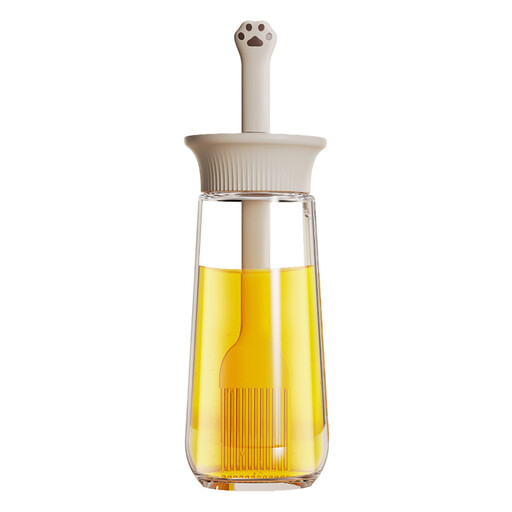
Why we chose it: Perfect for those who cook on the grill or at high temperatures. The all-in-one design allows you to handle oil safely, without splashes or needing to set a dripping brush down on the worktop.
Its brush is made of food-grade silicone, designed to withstand high heat. The fully detachable design and wide, funnel-shaped neck make cleaning and refilling incredibly easy.
The integrated lid + brush concept is a real asset for safety and cleanliness during high-heat cooking.
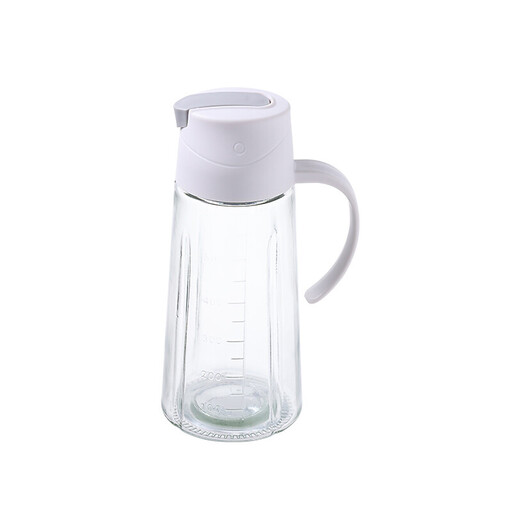
Why we chose it: For those who want maximum efficiency in the kitchen. This unique kitchen utensil opens and closes automatically with a simple tilt, allowing you to pour oil with just one hand. No more unscrewing a cap with greasy hands.
While it doesn't have a brush, its drip-free spout and automatic mechanism solve the problem of mess and waste. The body, made of sturdy glass, and the wide neck ensure easy maintenance.
The gravity-fed automatic opening mechanism is a phenomenal time-saver and cleanliness booster for daily use.
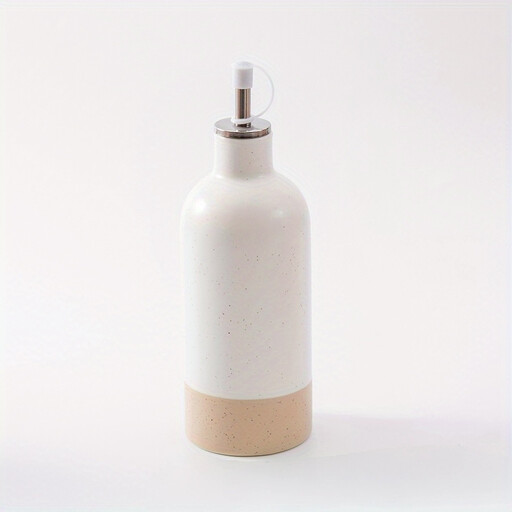
Why we chose it: Perfect for those who like to have different oils or dressings ready to go. This set of two glass bottles helps you stay organised: one for olive oil, the other for sunflower oil or a homemade vinaigrette.
These dispensers are equipped with a precise spout that minimises drips. The clear glass body and simple design make it easy to identify the contents and clean the bottle, preventing oil from stagnating.
The two-bottle set offers excellent value for money for anyone who loves to stay organised and vary their seasonings.
We have put together a complete selection of products that meet our quality and safety criteria.
Most quality models are fully detachable. Separate the brush, lid, and bottle. Wash each part with hot, soapy water. For stubborn residue, a small bottle brush works wonders. Many glass bottles and silicone brushes are also dishwasher-safe (top rack), but always check the manufacturer's instructions.
Absolutely, provided you choose a food-grade silicone certified as heat-resistant. This type of silicone is stable well beyond typical cooking temperatures (often over 230°C / 446°F). It does not melt, warp, or release any harmful substances on contact with heat, making it perfectly safe for food use.
Soda-lime glass is the standard glass used for most bottles and drinking glasses. It is durable enough for normal use. Borosilicate glass, on the other hand, contains boron trioxide, which makes it much more resistant to thermal shock (rapid changes from hot to cold). For an oil cruet, soda-lime glass is often sufficient, but borosilicate offers an extra layer of safety if the utensil is frequently kept near heat sources.