
Livraison le jour même ou le lendemain

Qualité garantie

Débloquez vos offres de bienvenue: Livraison GRATUITE | Jusqu'à -80 % | 30 jours d'essai gratuits à JoyPlus
Téléchargez l'application
Pouring a drizzle of oil without getting it everywhere, brushing a pastry or dressing a salad calls for the right accessory. If you choose poorly, a cooking oil dispenser can quickly become bulky, awkward to clean or too imprecise.
Before buying an oil bottle or kitchen oil cruet, take the time to consider a few essential points. The shape of the spout, the material, the capacity and the closure system all have a direct impact on ease of use. Here are the criteria to look at when comparing models and finding one that genuinely suits your habits.
A one-litre bottle means you do not have to refill it as often, but it quickly becomes heavy when full. For use at the table or to season dishes, a 250 to 500 ml size is generally more comfortable to handle. Larger containers are better suited to people who cook frequently or prefer to keep a reserve of oil near the hob.
A spout that is too short, poorly fitted or lacks an anti-return system can allow oil to run down the side of the bottle. This leaves greasy marks and also attracts dust, which can stick to the residue. A drip-free oil bottle or a spout designed for clean pouring can help reduce the problem. Also check whether there is a stopper or cap to protect the spout between uses.
A transparent glass bottle makes it easy to monitor the level, but it is less resistant to knocks. Stainless steel is better suited to repeated handling, while a model incorporating wood often requires more careful maintenance. Design is certainly important, but it should not distract from ease of cleaning or the manufacturer’s recommendations.
For a glass oil bottle, check the strength of the glass and the stability of the base. Soda-lime glass, used on some models, lets you see the contents and check the level at a glance. However, it is more vulnerable to knocks and should be handled with care.
A stainless steel oil dispenser may be better suited to everyday use. Some models use 304 stainless steel for the reservoir. The trade-off is that you cannot see how much oil is left. Whatever the material, check the manufacturer’s information regarding food contact, cleaning and temperature resistance.
A narrow spout helps you measure oil precisely, whether you are making a vinaigrette or cooking in a frying pan. A wide opening makes filling and cleaning easier, especially if you want to avoid using a funnel. To assess how leakproof the bottle is, carefully examine the connection between the lid, spout and bottle body.
The term “drip-free” does not, on its own, guarantee that there will be no drips at all. The oil’s viscosity, the angle of the bottle and the speed at which you pour also play a part. A cap also protects the spout from dust when it is not in use.
Clean the reservoir regularly and dry every component thoroughly before reassembling the bottle. With olive oil, rapeseed oil or blends, avoid pouring fresh oil into a container that still contains traces of old oil. This will help prevent a mixture of smells and residue build-up.
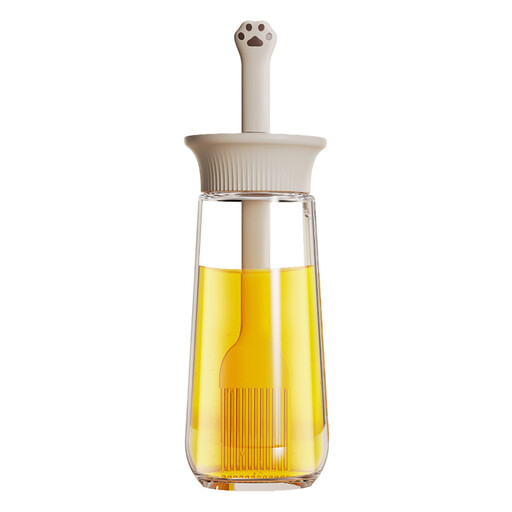
Why this choice suits this profile : With its 280 ml capacity and integrated brush, this model is a great choice for first-time buyers and recipes that require oil, honey or jam to be applied regularly.
The flared neck makes filling easier, while the lid, attached to the brush, means fewer separate parts to handle. The different components can be detached for easier cleaning.
Transparent soda-lime glass, a food-grade silicone brush advertised as suitable for use with hot oil, and a 280 ml capacity.
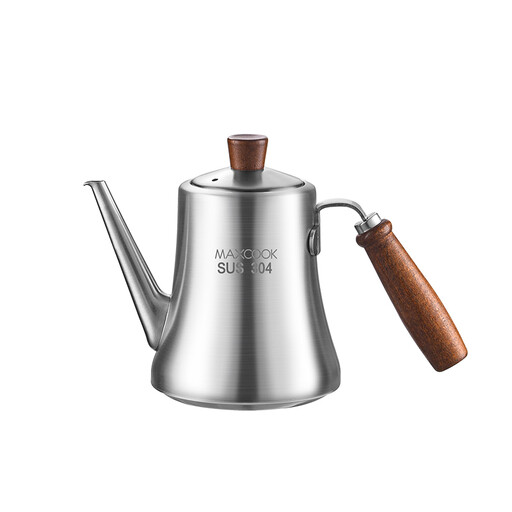
Why this choice suits this profile : Its combination of a steel and wooden handle, along with its one-handed operation, makes it a good fit for a kitchen where this accessory is used every day.
The eagle-beak spout is designed to limit backflow and marks on the bottle. Its wide diameter means it can be filled without a funnel.
304 stainless steel reservoir, silicone cap and 500 ml capacity. Hand washing is recommended, with the wooden handle dried immediately.
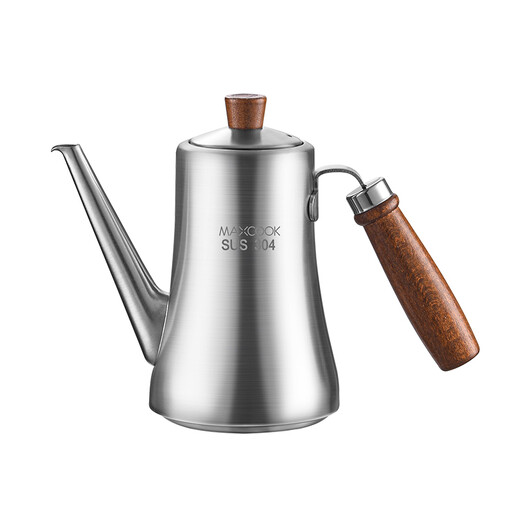
Why this choice suits this profile : Its one-litre capacity is ideal for frequent cooking, large gatherings and anyone who wants to avoid refilling their bottle too often.
The non-slip handle and spout designed to limit backflow are well suited to repeated use. The cap protects the spout between uses.
304 stainless steel, wide opening and one-handed operation. The manufacturer recommends washing by hand and advises against leaving the wooden handle to soak for a long time.
We have put together a complete, real-time updated selection of products that meet these demanding criteria and European safety standards.
A refillable dispenser is suitable for cooking oil, olive oil, vinegar and certain liquid preparations. For ketchup, mayonnaise, barbecue sauce or Asian sauces, a squeeze bottle for ketchup and mayonnaise will generally be more suitable. It lets you apply the sauce directly, without having to transfer it to another container.
Always check the ingredients and storage conditions stated on the packaging. Heinz Caesar Dressing and Amora Chinese Sauce, for example, specify that they must be refrigerated after opening. Products containing allergens — including egg, milk, mustard, fish or soya — should be checked before consumption.
Wipe the spout after every use and make sure the cap is put back on correctly. An anti-return spout can help limit drips, but it does not replace regular cleaning. Also avoid filling the bottle right to the top.
Glass lets you monitor the level and see the colour of the oil. Stainless steel is well suited to frequent use and offers greater resistance to knocks. The choice therefore depends on how important visibility is to you, how often you use the bottle and the manufacturer’s cleaning recommendations.
It depends on the type of oil, the date shown on the packaging and the storage conditions. Keep the bottle closed and away from heat and light. Clean it before every refill to prevent residue build-up and lingering smells.