
Livraison le jour même ou le lendemain

Qualité garantie

Débloquez vos offres de bienvenue: Livraison GRATUITE | Jusqu'à -80 % | 30 jours d'essai gratuits à JoyPlus
Téléchargez l'application
An oil bottle that drips onto the worktop, a pourer that clogs up, or a lid that’s a pain to clean can quickly make life in the kitchen more complicated. Yet the differences between two kitchen oil dispensers go far beyond their looks.
To choose an oil bottle that suits your daily routine, pay particular attention to the design of the pourer, the materials that come into contact with food, and how easy it is to clean. Here are the criteria to consider before buying, along with a selection of models suited to different needs.
A large-capacity oil dispenser saves you from refilling the bottle too often, but it can become heavy and awkward to handle once full. Conversely, a small bottle is easy to manoeuvre, at the cost of more frequent refills.
For everyday use near the hob, a capacity of 280 to 500 ml is generally a good compromise. A 1-litre model may be better suited to heavy consumption of olive oil, soy sauce or sesame oil, provided it has a stable, comfortable handle.
A leak-proof oil bottle should minimise drips once pouring has finished. The type of pourer, the presence of a lid and the quality of the fit between the different parts matter far more than a simple marketing promise.
A pourer that is too short or poorly angled can allow oil to run down the side of the bottle. A system with a cap also protects the contents from dust, provided the cap is easy to remove and replace.
Oil can build up around the lid, in the screw thread or inside the pourer. A bottle that is difficult to take apart can quickly become unpleasant to use.
Before choosing an olive oil dispenser, check whether the different parts can be disassembled, whether the opening is wide enough, and whether the manufacturer recommends hand washing or dishwasher cleaning. Wooden handles, for example, often require more careful maintenance.
A glass oil bottle lets you see the remaining level at a glance and check the colour of the contents. Some models use soda-lime glass, valued for its clarity and durability suitable for everyday use. However, this material is still sensitive to impacts and sudden temperature changes.
A stainless steel oil bottle does not allow you to see the oil level, but it generally withstands everyday knocks better. Grade 304 stainless steel is commonly used for food containers. However, do check the stated composition, any silicone or plastic parts, and the washing instructions.
Within the European Union, consult, where this information is available, the indications relating to materials intended for food contact, in particular the framework regulation EC No 1935/2004. For plastic parts, a statement confirming their compatibility with food contact can also be useful. This information should appear on the manufacturer's or seller's product sheet.
An oil bottle with a pourer is practical for dressings, salads and cooking when you want better control over the flow. A gooseneck or "eagle beak" pourer can help prevent liquid from running back into the bottle, but its effectiveness depends on the overall design.
For brushing a baking tray, pastry or a piece of meat, an oil sprayer or brush serves a different purpose. The brush distributes oil over a precise area, while the sprayer applies a finer, more even layer. However, these accessories do not necessarily replace a classic oil dispenser for table service.
Look for:
For an oil and vinegar bottle, clearly identify each container to avoid mixing smells and flavours. Flavoured oils, balsamic vinegar and thick sauces may also require more frequent cleaning.
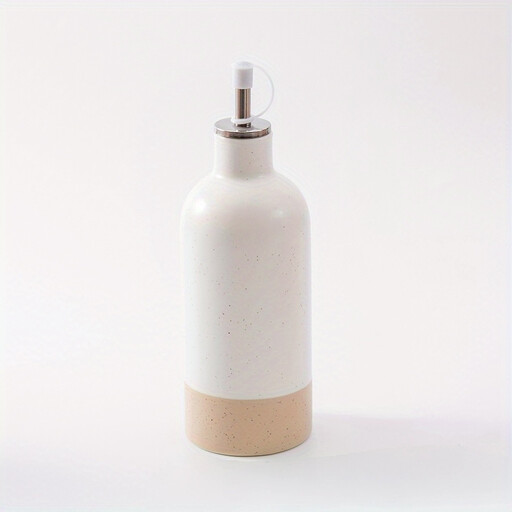
Why this choice suits this profile: This set of two bottles makes it easy to separate oil and vinegar, or to keep two regularly used oils on hand.
Two containers reduce the need for repeated decanting and help you organise your worktop more effectively.
A practical two-bottle set for separating several liquids used in the kitchen.
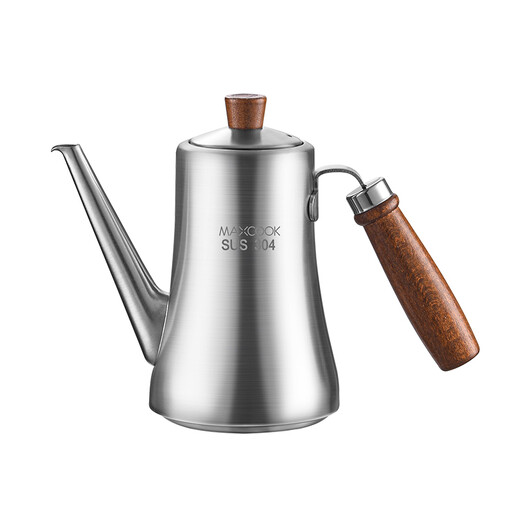
Why this choice suits this profile: Its 1,000 ml capacity and beechwood handle are ideal for kitchens where oil is used very regularly.
The stated wide diameter makes filling and cleaning easier, while the lid protects the pourer.
Grade 304 stainless steel, 1,000 ml capacity, non-slip handle and precision pourer.
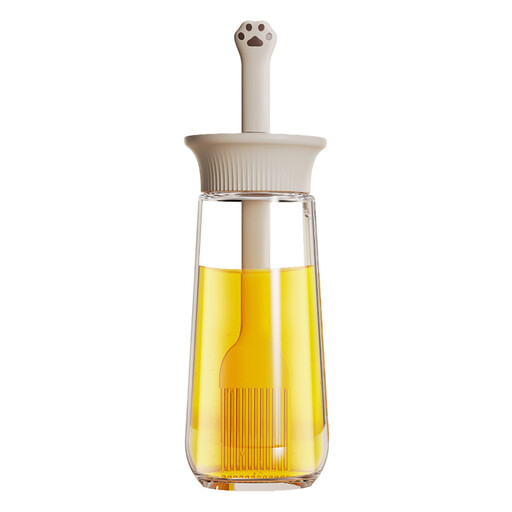
Why this choice suits this profile: The integrated brush is perfect for brushing dishes, pastries, roasted vegetables or Mediterranean preparations.
The integrated lid and brush eliminate the need for extra accessories, while the detachable parts make washing simple.
Clear glass, silicone brush stated as compatible with heated oil, 280 ml capacity and detachable design.
We've put together a comprehensive, real-time updated selection of products that meet these demanding criteria and European safety regulations.
To keep your oil dispenser clean and functional for longer, wipe the pourer after each use and avoid letting a film of oil dry around the lid. For a thorough clean:
Do not pour very hot oil into a container if the instructions do not allow it. With a glass bottle, also avoid sudden temperature changes and knocks against the sink or worktop.
A capacity of 280 to 500 ml offers a good balance between ease of handling and how often you need to refill it. For a family that cooks with oil frequently, a 1,000 ml model will space out refills, but it will be noticeably heavier when full.
Choose a pourer designed to minimise liquid running back and fitted with a lid that closes properly. After each use, wipe the tip of the pourer and do not fill the bottle to the brim. Regular cleaning also prevents deposits from interfering with the seal.
The pourer is practical for measuring oil into a pan, salad or sauce. The brush is better for spreading oil over a surface, such as a baking tray or pastry. If you regularly switch between these uses, a model combining both functions could be a good option.