
Livraison le jour même ou le lendemain

Qualité garantie

Débloquez vos offres de bienvenue: Livraison GRATUITE | Jusqu'à -80 % | 30 jours d'essai gratuits à JoyPlus
Téléchargez l'application
Coconut milk can transform a curry, a soup, a dessert or a smoothie. However, not all products behave the same way in the kitchen. Between 400 ml tins, UHT cartons, small formats and light versions, the right choice depends mainly on the concentration, the texture you're after and the quantity you need.
A few pitfalls crop up time and again when you're buying:
The ingredients list is a reliable first indicator. A product containing 60 to 90% coconut extract will generally have a more pronounced flavour and a denser texture than one made with 30 to 40% extract and a high proportion of water.
For a coconut milk intended for a curry, a fat content of between 17 and 19% is common. It gives a silkier sauce and also works well in soups, desserts and certain baking preparations. Less concentrated products can be useful for lightening a sauce or making a drink, but they sometimes need a longer reduction time.
Fat affects the richness on the palate, how well the sauce holds together and how the coconut milk works with spices. Products with 18 or 19% fat are particularly suited to dishes that need a generous texture.
A light coconut milk, around 6 to 9%, can work for a light soup, a drink or a thin sauce. However, don't expect the same result as you'd get from a more concentrated product. Also remember to compare the carbohydrate and sugar levels, especially between different flavoured plant-based drinks.
Coconut milk in a 400 ml tin suits many family recipes. It lets you make a curry, a soup or a dessert without opening an excessive amount. Formats of 150 to 200 ml are handy for a single portion or a recipe that only needs a small amount of liquid.
Coconut milk in a carton, often UHT, is easy to store in a cupboard before opening. The 500 ml and 1 L formats are aimed more at households that cook regularly, or even at professionals. A UHT carton isn't necessarily a drink to be consumed as is: check the product name and the usage instructions on the packaging.
A natural separation between the liquid and the cream can also occur. Shake the container or warm it gently if needed – this doesn't mean the product has gone off. On the other hand, never use a tin that is bulging, rusty or damaged.
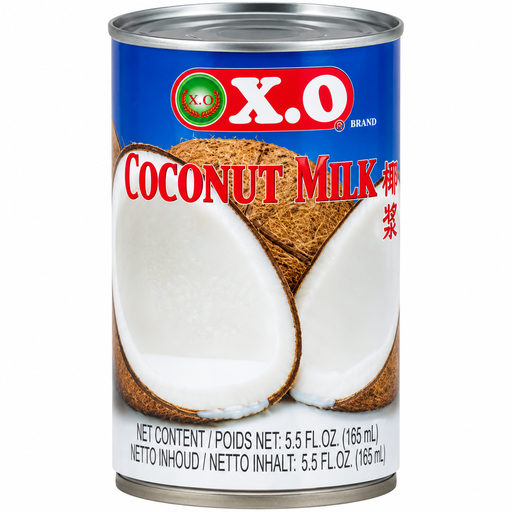
Why this choice suits this profile: Its small format limits leftovers when you're discovering Thai cuisine or making a single portion of curry, soup, dessert or drink.
At 165 ml, this format stops you buying a large tin for a single recipe. The product page states 40% coconut extract and 6.5 g of fat per 100 ml.
Individual pack, ambient storage before opening and ingredients with no declared allergens.
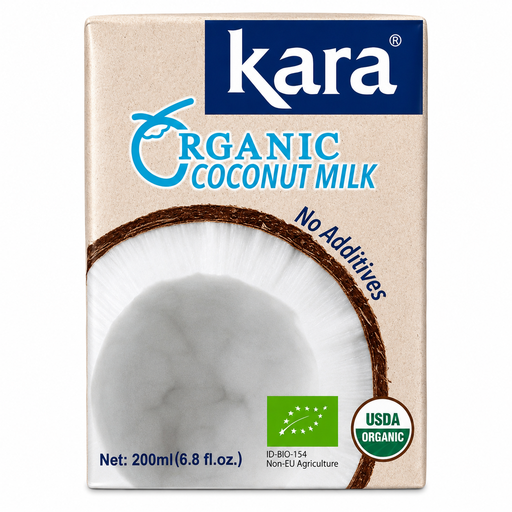
Why this choice suits this profile: This product is ideal for those looking for an organic coconut milk in a small carton, to elevate a recipe without opening a large tin.
The product page mentions 17% fat, 64% coconut from organic farming and no added stabilisers.
200 ml UHT format, described as creamy and with a short ingredients list of organic coconut and water.
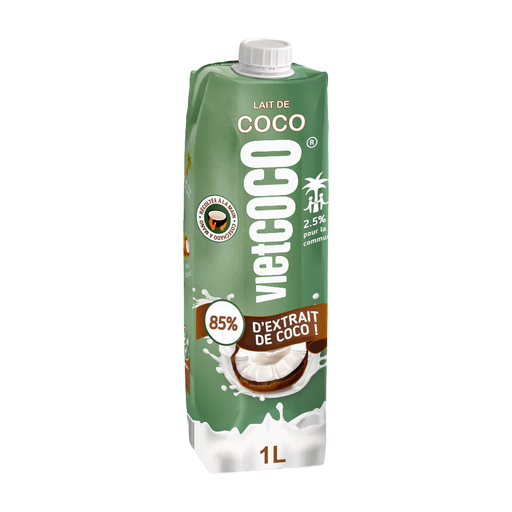
Why this choice suits this profile: With its litre size, this product is aimed at families, regular Asian cuisine enthusiasts and professionals who go through curries, sauces, drinks and desserts.
The stated 17 to 19% fat content lets you objectively compare its concentration with that of a less rich coconut milk. The UHT carton keeps at ambient temperature before opening.
The product page states 85% coconut extract, 18 g of fat per 100 ml and keeps in the fridge for five days after opening.
We've put together a complete, real-time updated selection of products that meet these demanding criteria and comply with European safety regulations.
For a coconut milk intended for cooking, especially in a curry, add it gradually to the spice paste or stock. A high-fat product will thicken the sauce as it simmers on a low heat. For a soup, a version at 9 or 14% will give a lighter, thinner texture.
When baking, weigh the amount you need rather than tipping the whole tin in automatically. Coconut milk can be used in a flan, a vegan rice pudding, a cream or a cake batter. For a smoothie, a coconut-based plant drink, such as a barista-style product, will be thinner than a tinned coconut milk. It may also contain other ingredients, including soya: check the label if you have an allergy.
Most of the products shown are made from water and coconut extract, with no declared dairy ingredients. To get a vegan coconut milk, still check the ingredients, the allergen information and the certification shown on the product.
Yes, in many sauces, soups and sweet preparations. The result will be more aromatic and will depend on the fat content. To get a texture close to that of thick cream, choose a product with around 17 to 19%.
The time varies by product. The product pages often state two to five days in the fridge, sometimes up to seven days for certain products. Transfer the contents to an airtight container and always follow the instructions on the packaging first.
The difference is mainly about the packaging and the preservation method, not just the container. A UHT carton can stay at room temperature before opening, while a 400 ml tin often suits a family recipe. Above all, compare the percentage of coconut extract, the fat content, any additives and the volume.