
Livraison le jour même ou le lendemain

Qualité garantie

Débloquez vos offres de bienvenue: Livraison GRATUITE | Jusqu'à -80 % | 30 jours d'essai gratuits à JoyPlus
Téléchargez l'application
Standing in the coconut milk aisle, it's easy to feel a little lost. Between the different fat percentages, "organic" or "additive-free" labels, and various packaging formats, how do you find the perfect one to elevate your next curry, velouté, or exotic dessert?
Our mission? To help you see things more clearly. We've decoded the labels to offer practical advice and a top-notch selection. The goal: to empower you to make the right choice with confidence, cutting through the marketing jargon.
Before we dive into our top picks, let's review the key criteria for finding the product that's perfectly suited to your needs.
The main difference between coconut milk and coconut cream lies in their fat percentage. This concentration directly determines the texture and creaminess of your dishes.
The ideal composition? Coconut extract and water, and that's it. However, many products contain additives to improve their texture and stability:
An additive-free coconut milk is often the holy grail for purists. It frequently comes in a 'separated' state (a solid layer of cream on top with coconut water underneath), which is perfectly normal and even a sign of quality. A quick whisk, and you're good to go! As for organic coconut milk, the label simply guarantees that the coconuts are grown using organic farming methods, without synthetic pesticides.
The container also plays a role, especially when it comes to preservation and convenience.
We've handpicked some real gems for you, chosen for their quality and suitability for different uses.
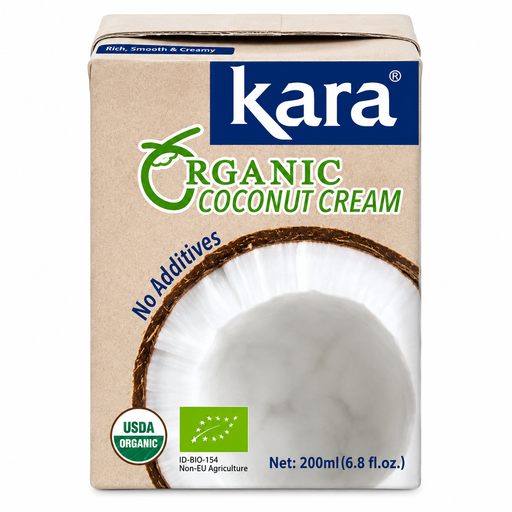
The Lowdown An ultra-clean ingredient list and organic certification. With 24% fat, this cream delivers unparalleled richness and creaminess, all without a single additive.
Key Features
Who is it for? For purists who demand a rich, creamy product with an impeccable ingredient list. Ideal for exceptional desserts, rich sauces, or that game-changing finishing touch.
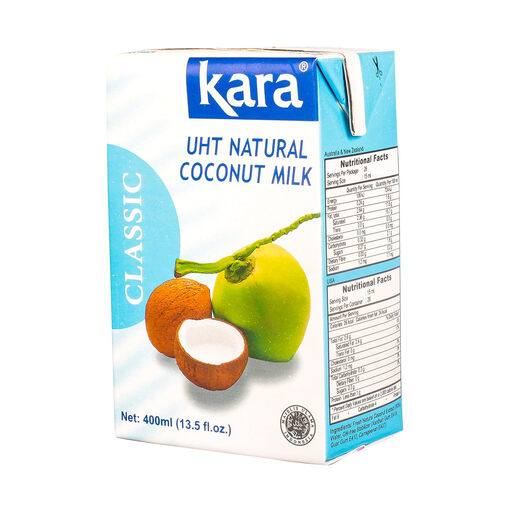
The Lowdown The great classic, renowned for its versatility. Its 17% fat content strikes the perfect balance between fluidity and creaminess, making it a kitchen all-rounder for everything from savoury to sweet.
Key Features
Who is it for? For anyone looking for a reliable, versatile coconut milk for everyday use. It's the perfect base for curries, soups, dahls, and smoothies.
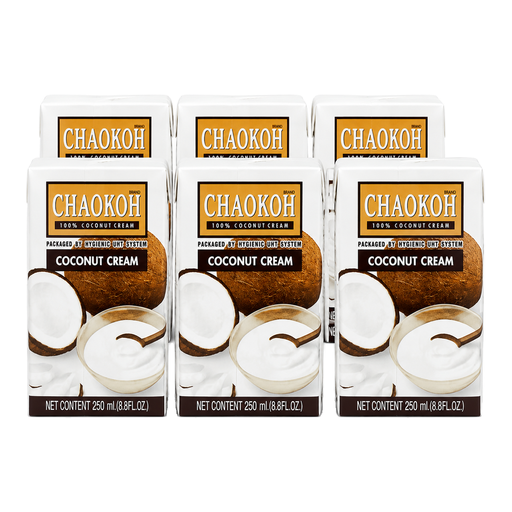
The Lowdown Here, the focus is on value and high fat content. This six-pack is the ideal solution for heavy users and Asian cuisine enthusiasts who use it in everything.
Key Features
Who is it for? For regular users who like to keep a well-stocked pantry. Its creaminess will delight fans of particularly rich and generous curries.
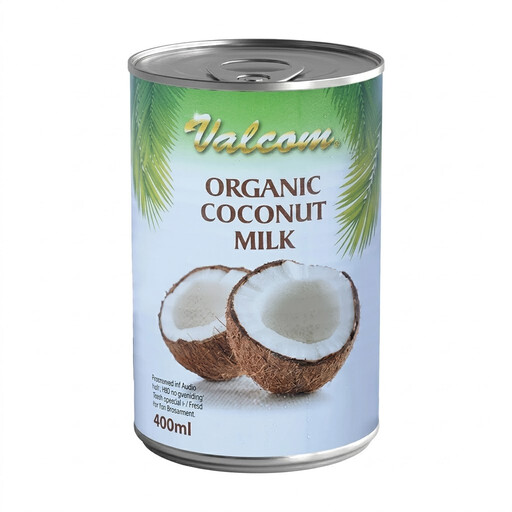
The Lowdown The best of both worlds: organic certification with the convenience of a stabilised texture. It's the perfect alternative for those who want organic without having to shake the carton to mix it.
Key Features
Who is it for? For those who prioritise organic but appreciate the convenience of a consistently smooth coconut milk. Ideal for soups, sauces, and drinks, hassle-free.
This selection is just a starting point to guide you. If you can't find the perfect product or are simply curious, feel free to explore our full range.
Discover Our Full Range of Coconut Milks and Creams
It's all about the fat content, which determines the texture. Coconut milk (around 15-19% fat) is more fluid and versatile. Coconut cream (over 20% fat) is thicker and richer, perfect for adding creaminess to dishes and indulgence to desserts.
Yes, absolutely! Coconut milk and cream are 100% plant-based, making them naturally lactose-free and gluten-free. They are an excellent alternative to dairy in countless recipes, both savoury and sweet. It's a staple in vegan cooking.
Once the can or carton is opened, transfer the remainder to an airtight container (preferably glass) and store it in the refrigerator. Use it within 3 to 4 days to enjoy it at its freshest.