
Livraison le jour même ou le lendemain

Qualité garantie

Débloquez vos offres de bienvenue: Livraison GRATUITE | Jusqu'à -80 % | 30 jours d'essai gratuits à JoyPlus
Téléchargez l'application
Whether for changing a baby, a quick clean-up, or saving a laundry load, wipes have become a staple in many households. Their convenience is undeniable, but with overwhelming store aisles, it's easy to make the wrong choice. Questionable ingredients, poor value formats, and disappointing performance—unpleasant surprises are all too common.
My mission as Head of Product Recommendations at Joybuy is to help you see things more clearly. Together, let's break down the pitfalls to avoid and the criteria that truly matter, so you can choose the perfect wipe for your needs without falling for marketing gimmicks.
Before you fill your cart, learn how to sidestep the most common traps that turn a convenient purchase into a bad deal.
To make the right choice every time, focus on these three key points. They determine a wipe's quality and its suitability for your needs.
This is the non-negotiable criterion, especially for products that come into contact with the skin.
Never mix and match, as their formulations are radically different.
The packaging has a direct impact on the lifespan and true cost of your wipes.
To illustrate these criteria in action, here are a few products that stand out and perfectly meet specific needs.
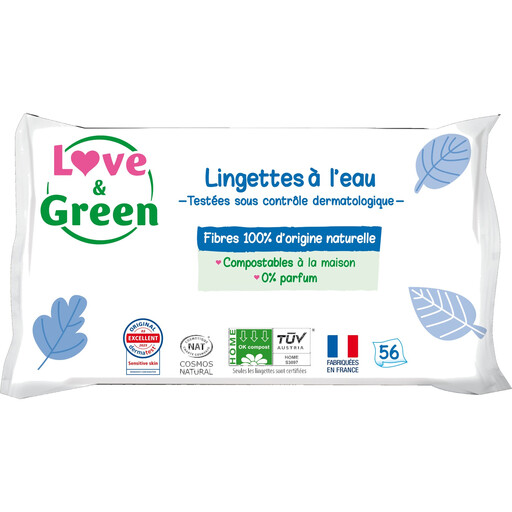
Why we chose it : Perfect for parents who demand an impeccable ingredient list for their baby's skin. The minimalist formula and ECOCERT certification are strong signs of trustworthiness.
This product sidesteps the opaque ingredient trap with a 98% natural-origin formula, 0% plastic, and a clearly displayed list of just 6 ingredients.
100% natural-origin and FSC certified fibre, with zero plastic. Recyclable mono-material packaging.
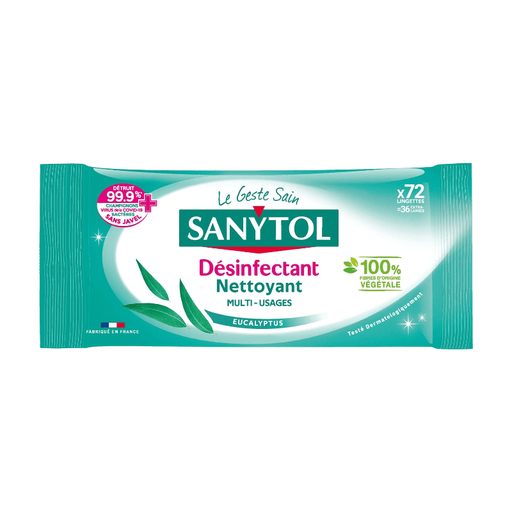
Why we chose it : For those seeking a cleaning and hygiene ally for the entire home. It cleans, disinfects, and fragrances a multitude of surfaces, from toilets to door handles.
This product avoids the misleading versatility trap by clearly stating its function: it is a disinfectant wipe for surfaces, which prevents any risk of use on skin.
Triple action (cleans, disinfects, deodorises) and a bleach-free formula that's gentler on surfaces. Eliminates 99.9% of bacteria, fungi, and enveloped viruses.
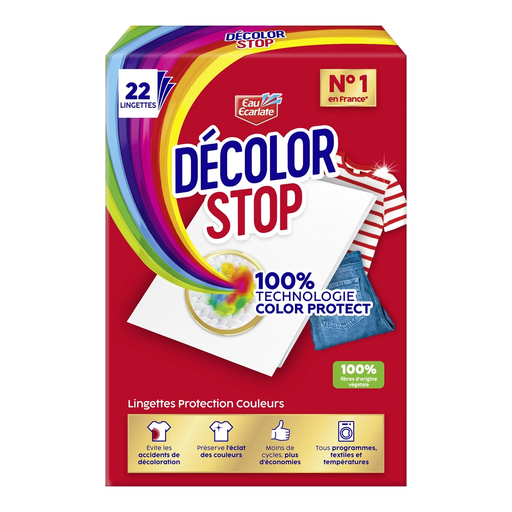
Why we chose it : For anyone tired of sorting laundry and looking to simplify their wash loads. These wipes allow you to mix colours without risk, thereby reducing the number of machine cycles.
This ultra-specific product is proof by example: there's a wipe for every need. By tackling a problem that others can't solve, it demonstrates that a dedicated product is often the most effective solution.
Prevents colour run accidents and preserves colour vibrancy. Allows for fewer wash cycles, which saves time, water, and energy.
We have compiled a complete, up-to-date list of products that meet our strict selection criteria and current quality standards.
Finally, let's answer the questions we get asked most often.
As a general rule, no. The vast majority of wipes, including baby wipes, do not break down in water. They can cause massive clogs in your pipes and overwhelm sewage treatment plants. Always throw them in the bin. The only exception is for products explicitly labelled "flushable" or "safe to flush," such as some potty-training wipes.
The secret is to limit their exposure to air as much as possible. Always reseal the pack carefully after each use, making sure the flip-top lid is securely clicked shut or the adhesive sticker is fully sealed. The pro tip? Store the pack upside down. Gravity helps keep the moisture on the top wipes, so they're always ready to use.
Yes, provided you follow the instructions scrupulously. For surfaces that come into direct contact with children (plastic toys, high chairs, changing tables), it is recommended to let the disinfectant product sit for a few minutes (often 15 minutes, as indicated for Sanytol wipes), and then rinse the surface with clean water before the child handles it again. The rule of thumb: always read the product label.