
Livraison le jour même ou le lendemain

Qualité garantie

Débloquez vos offres de bienvenue: Livraison GRATUITE | Jusqu'à -80 % | 30 jours d'essai gratuits à JoyPlus
Téléchargez l'application
Choosing a bottle of champagne can quickly become a headache. Faced with a multitude of brands, appellations, and technical terms, it's easy to feel lost or fall for marketing traps. The goal isn't to find the most expensive bottle, but the one that will truly hit the mark, both for your palate and the occasion you're celebrating.
Before you start buying champagne online, let's review three classic mistakes to avoid, ensuring you make the right choice every time.
To cut through the confusion and choose with confidence, three key criteria will serve as your compass for decoding labels and finding the perfect bottle.
The appellation is your first quality benchmark.
Dosage refers to the amount of sugar added after the second fermentation. This is what determines the wine's style, from the driest to the sweetest.
Champagne is most often a blend of three main grape varieties:
Instead of an endless list, here are a few hand-picked selections, each perfect for a specific profile and occasion.
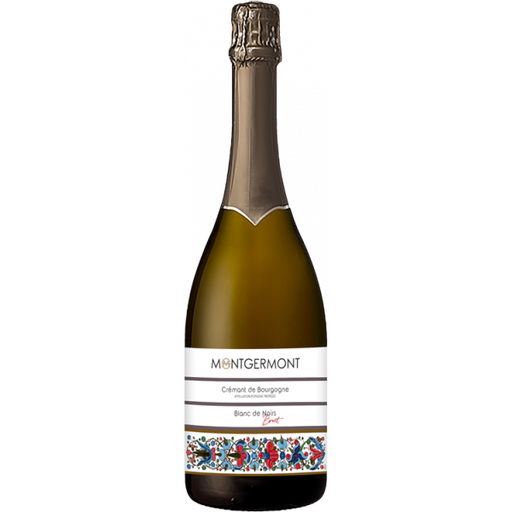
Why this one? For a party with friends or a long, lingering aperitif, this crémant is the perfect solution. It ticks all the boxes: quality bubbles, a recognised appellation, and a price that lets you think big without maxing out your credit card.
It proves you can have high-quality bubbles without necessarily reaching for champagne. It sidesteps the "Champagne-or-nothing" trap by offering an equally festive and far more accessible French AOP alternative.
A superb balance between the fruitiness of Pinot Noir (raspberry notes), a touch of richness, and a welcome freshness. The bubbles are fine, and the palate is lively and thirst-quenching.
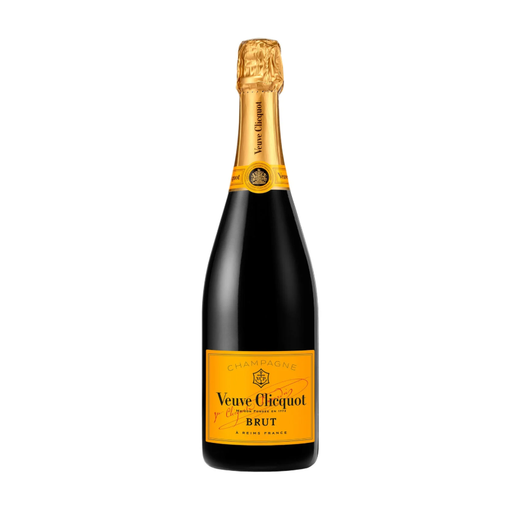
Why this one? For a business gift, a birthday, or to mark a special occasion, this is the ultimate safe bet. Its instantly recognisable yellow label is a symbol of celebration and prestige that never disappoints.
There are no risks here. By betting on a major house like Veuve Clicquot, you're choosing consistency and impeccable quality. For a gift, it's a guaranteed success.
The perfect balance between the power of Pinot Noir, which dominates the blend, and the finesse of Chardonnay. The result? A vinous, structured signature and the aromatic complexity that has made it famous.
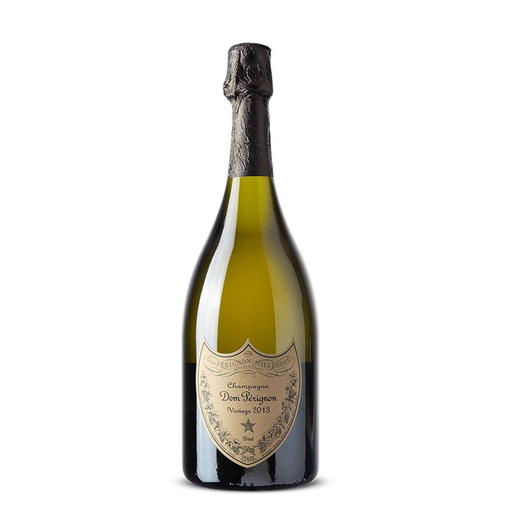
Why this one? For connoisseurs, enthusiasts, and the moments that truly matter. Every bottle is a vintage, meaning it's the product of a single harvest year. It's more than a bottle; it's a marker of time, a wine for tasting and cellaring.
Its prestige doesn't just come from the name. It's built on an absolute commitment: to be produced only in exceptional years. This isn't marketing; it's a core principle that guarantees the uniqueness of each vintage.
Exceptional complexity and depth. The balance is masterful, blending ripe fruit, a chiselled freshness, and the terroir's minerality. A tasting experience that leaves a lasting impression.
Discover our complete selection of sparkling wines, all chosen for their quality and adherence to their appellations.
The difference is primarily geographical. Champagne is produced exclusively in the AOP Champagne region. Crémant, on the other hand, can come from many other French regions (Bourgogne, Alsace, etc.). While both are made using the same traditional method, the grape varieties and terroirs differ, creating distinct aromatic profiles. Crémant is often considered the smart alternative, offering unbeatable value for money.
Ideally, a bottle of champagne should be stored on its side to keep the cork moist. Choose a cool place (between 10 and 12°C / 50 and 54°F), away from light and vibrations. A good wine cellar is best, but a cool, dark cupboard will do just fine for storage over a few months.
A non-vintage champagne (the majority of Brut cuvées from the major houses) is designed to be enjoyed within 2 to 3 years of purchase. It's already at its peak when you buy it. Unlike a vintage champagne, it won't improve with time; in fact, it might even lose its freshness and bubbles. So, it's best to pop it open without too much delay