
Livraison le jour même ou le lendemain

Qualité garantie

Débloquez vos offres de bienvenue: Livraison GRATUITE | Jusqu'à -80 % | 30 jours d'essai gratuits à JoyPlus
Téléchargez l'application
Choosing a bottle of champagne can be intimidating. Faced with a wall of bottles with prestigious labels, it's easy to feel lost and worry about making the wrong choice for a special occasion. As a result, many fall into common traps and end up paying a premium for a quality that doesn't live up to the price.
As the head of product selection at Joybuy, my mission is to help you see things more clearly. Let's forget the marketing jargon and get straight to the point. Here are the most common mistakes and our advice on how to avoid them, so you can buy champagne online or in-store with peace of mind.
To make an informed choice, you just need to understand a few fundamental concepts. These guidelines will help you find the bottle that perfectly matches the occasion and your tastes.
Dosage refers to the amount of sugar added to the champagne after the second fermentation. This defines its profile, from the driest to the sweetest. Here are the terms to decipher on the label:
The blend of grape varieties forges the champagne's character. The three stars of the appellation are:
Rosé champagne is made either by macerating black grapes (the saignée method) or by blending white wine with a small amount of red Champagne wine before the second fermentation.
The Champagne appellation is strictly defined geographically. But other regions produce excellent sparkling wines using equally rigorous methods.
To put all this into practice, here are a few bottles we recommend, each suited to a specific buyer profile and occasion.
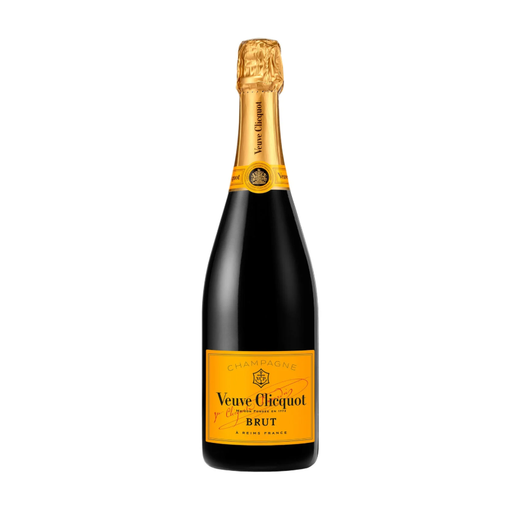
Why this choice? For a gift or an important celebration, the reputation of a brand like Veuve Clicquot is a guarantee of prestige. It's the safe bet that always impresses and never disappoints.
Even though it's a major brand, its quality is consistent and renowned. Its Brut style is perfectly balanced, which prevents any confusion about the dosage.
The perfect balance between the power of Pinot Noir and the finesse of Chardonnay. A sure thing, an icon.
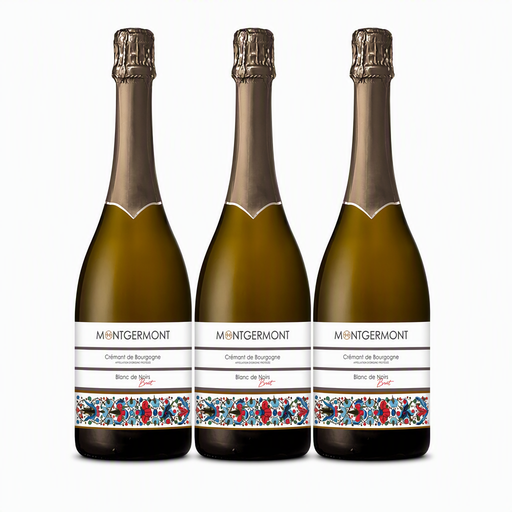
Why this choice? Ideal for aperitifs with friends or for parties where budget is a factor. This crémant offers a tasting quality that rivals many champagnes, but at a much friendlier price.
It debunks the "champagne-for-everything" myth by proving that a quality sparkling wine can provide immense pleasure without the price tag of the appellation.
A "Blanc de Noirs" Crémant de Bourgogne (100% Pinot Noir) that charms with its delightful raspberry nose and balanced palate.
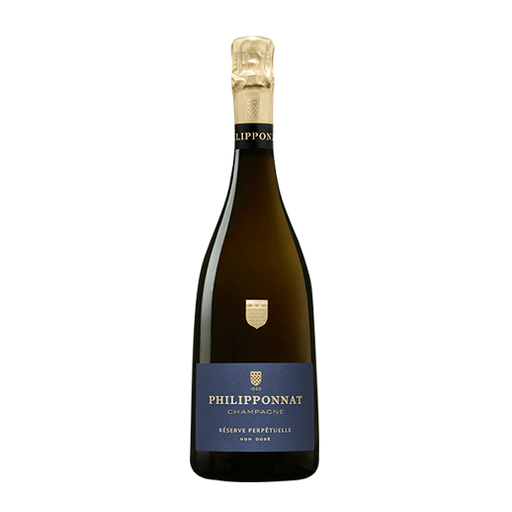
Why this choice? For curious enthusiasts who want to discover the purest expression of the terroir. A Non-Dosé (zero added sugar) champagne is a tasting experience in its own right, focused on the wine's minerality and tension.
This choice goes off the beaten path by focusing on a specific technical criterion (dosage). It's a connoisseur's purchase that puts an end to label confusion.
An authentic expression of the Philipponnat style. It reveals the full purity of the wine: notes of lemon, orange zest, and a saline, mineral finish.
We have curated a complete and up-to-date selection of bottles that meet our selection criteria and regulations.
The fundamental difference is geographical. Champagne can only come from the Champagne AOC, while crémant is produced in other French regions (Alsace, Burgundy, Loire, etc.). Both are made using the "traditional method" (second fermentation in the bottle), which gives them fine bubbles and beautiful aromatic complexity. Crémant often offers a very similar taste profile at a more accessible price.
For optimal storage, keep your bottle lying on its side in a cool (between 10 and 12°C), dark place, away from light and vibrations. The horizontal position keeps the wine in contact with the cork, preventing it from drying out and ensuring a tight seal. A non-vintage champagne can generally be kept for 2-3 years, while a vintage one can age for much longer.
Yes, buying champagne online is perfectly safe, provided you use reputable sellers who guarantee optimal storage and transport conditions. Ensure the packaging is specifically designed to protect the bottles from shocks and temperature fluctuations. The advantage is access to a much wider selection, often with very detailed product sheets to guide you.