
Livraison le jour même ou le lendemain

Qualité garantie

Débloquez vos offres de bienvenue: Livraison GRATUITE | Jusqu'à -80 % | 30 jours d'essai gratuits à JoyPlus
Téléchargez l'application
A celebration is on the horizon, and the question arises: which bottle should you choose to mark the event? Faced with a multitude of labels, houses, and price points, it's easy to feel lost. Should you opt for a major brand, a grower champagne, or even an excellent crémant?
As product selection experts at Joybuy, we taste and compare hundreds of bottles to retain only the very best. Far from an endless list, this guide offers you straightforward insights and a curated selection to help you find the perfect bottle, suited for every occasion and budget.
Before diving into our selection, here are a few essential criteria to guide your decision and help you decode what's behind the label.
The main difference between these two sparkling wines lies in their Protected Designation of Origin (PDO). Champagne can only be produced in the designated Champagne region of France, according to a very strict set of rules. Crémant, on the other hand, is produced in eight other French regions (Burgundy, Alsace, Loire, etc.), using similar methods.
For excellent value for money, a crémant is often a stunning alternative. It can offer incredibly fine bubbles and surprising aromatic complexity, all at a much more accessible price point. It's the smart choice for aperitifs with friends or large gatherings.
Dosage refers to the amount of sugar added after the second fermentation. This information, always present on the label, directly influences the wine's taste:
The context of the tasting is your best guide. For a birthday or an aperitif with friends, a non-vintage Brut or a good Crémant de Bourgogne will be wonderful. For a wedding, a gourmet meal, or an exceptional gift, a vintage cuvée or a luxury champagne like Dom Pérignon will bring the desired complexity and prestige.
We have selected three bottles that cater to different tastes and budgets, all chosen for their character and exemplary consistency.
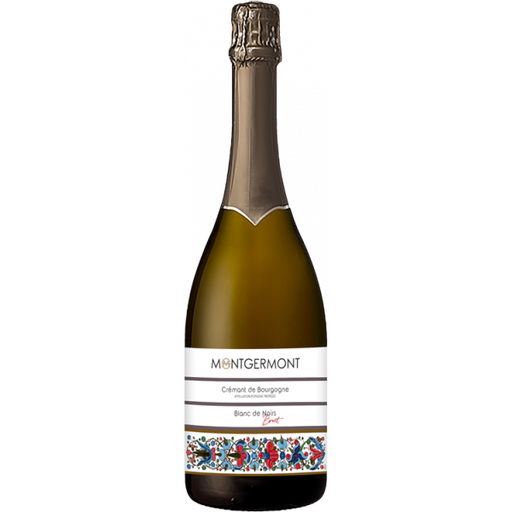
Why we chose it: Made from Pinot Noir (the king of grapes in Champagne), this Crémant de Bourgogne is a true demonstration of expertise. For an affordable price, it offers a tasting experience that can easily hold its own against many entry-level champagnes.
Key strengths
Who is it for? For savvy drinkers looking for the best pleasure-to-price ratio. It's the perfect bottle for large gatherings, Sunday brunches, or simply to toast without breaking the bank.
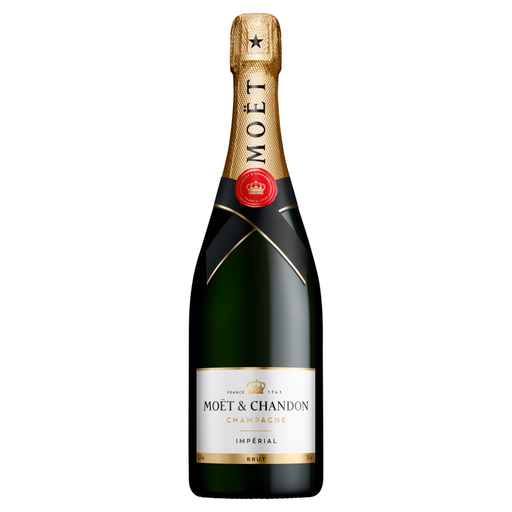
Why we chose it: An emblematic cuvée, Brut Impérial is arguably the most famous champagne in the world. It perfectly embodies the Mo?t & Chandon style—a universally recognisable balance. It is the ultimate safe bet, one that never disappoints.
Key strengths
Who is it for? For those who value a world-renowned signature, whether for a festive meal, a business gift, or any celebration where the prestige of the label matters. Its great versatility makes it enjoyable from aperitif to dessert.
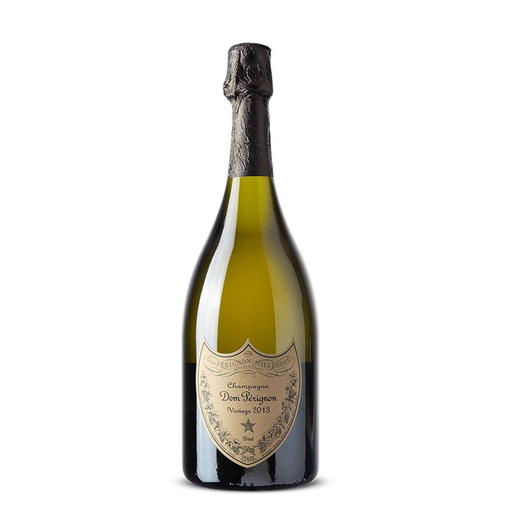
Why we chose it:Dom Pérignon is not just a champagne; it's an icon. Each bottle is a vintage, meaning it is made from the grapes of a single, exceptional year. It is the promise of a unique tasting experience, a true snapshot of a vintage.
Key strengths
Who is it for? For exceptional moments (weddings, milestone birthdays), collectors, and discerning connoisseurs. It is a champagne for contemplation, to be savoured on its own or paired with dishes of great finesse.
Our selection is just a taste, as the world of sparkling wine is infinite. To discover other houses, more specific cuvées (Blanc de Blancs, Rosé, etc.), or simply to compare different bottles, feel free to explore our full catalogue.
Explore our complete collection of champagnes and sparkling wines
The difference is primarily a matter of terroir. Champagne can only come from the Champagne PDO. Crémant, however, is produced in eight other French regions (Burgundy, Alsace, Loire, etc.), following a similar winemaking process known as the "traditional method." The grape varieties and the terroir give each wine its unique character. The prestige of the Champagne appellation and its stricter regulations largely explain the price difference.
For an optimal tasting experience, serve your champagne chilled, but never ice-cold. The ideal temperature is between 8 and 10°C. If it's too cold, it will lose its aromas. Forget the wide coupe glass and opt for a flute or, even better, a tulip-shaped white wine glass: it will perfectly concentrate the aromatic bouquet.
Absolutely. Buying champagne online is now a convenient and safe option, provided you buy from specialised retailers. Favour sites that provide detailed product descriptions, clear traceability, and, most importantly, guarantee optimal transport and storage conditions to ensure the bottles arrive at your home in perfect condition.