
Livraison le jour même ou le lendemain

Qualité garantie

Débloquez vos offres de bienvenue: Livraison GRATUITE | Jusqu'à -80 % | 30 jours d'essai gratuits à JoyPlus
Téléchargez l'application
Choosing a bottle of champagne can often be a daunting task. Faced with a wall of bottles with prestigious labels and technical jargon, it's easy to feel lost—or worse, pay a premium for a disappointment. The goal isn't just to buy some bubbles, but to find the perfect cuvée for the occasion, your palate, and your budget.
As our editorial team's wine expert, my role is to guide you through this fascinating world. Let's cut through the marketing and get straight to the point. Here are the most common pitfalls and our advice on how to avoid them.
To make an informed choice, you only need to master three key concepts. These indicators will give you valuable clues about the profile and quality of the wine you are about to enjoy.
The dosage refers to the amount of sugar added to the wine just before the final corking. It determines the champagne's level of sweetness. Here are the terms to know, from least sweet to sweetest:
Be careful, not all bubbly wines are champagnes! The appellation is protected and reserved for wines produced in the Champagne region of France according to a strict method (the "traditional method").
Choosing between these options depends on the occasion. For a major celebration or a memorable champagne gift, a bottle of Dom Pérignon or Veuve Clicquot remains a safe bet. For drinks with friends or a casual brunch, a good crémant or a well-chosen prosecco will be a perfect fit.
Champagne is primarily made from three grape varieties: Chardonnay (a white grape), Pinot Noir, and Pinot Meunier (black grapes with white juice).
To help you see more clearly, here are some recommended gems, matched with profiles and tasting moments.
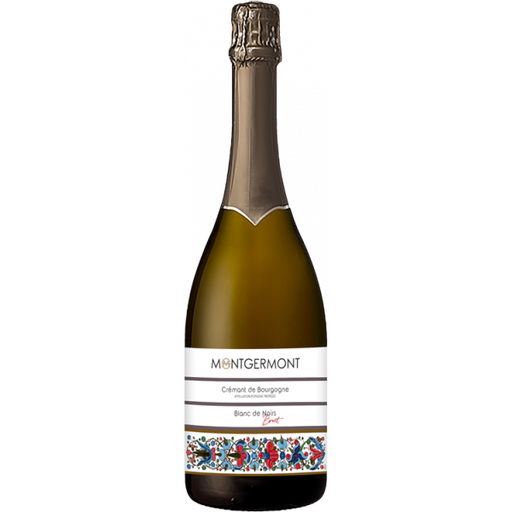
Why we chose it: Perfect for those looking for excellent bubbles for an event without breaking the bank. This crémant offers a freshness and finesse that easily rivals many entry-level champagnes.
It avoids the pitfall of overlooked alternatives by proving that a well-made crémant from Burgundy can deliver immense pleasure and unbeatable value for money.
Its perfect balance of fruitiness (raspberry, lemon), a pleasant roundness, and the vibrancy of its fine bubbles.
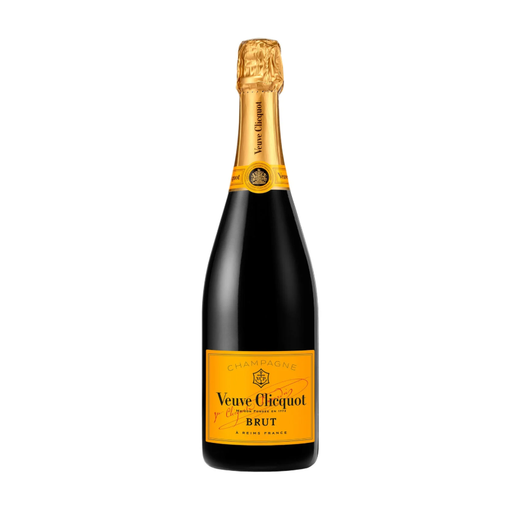
Why we chose it: This is the ultimate safe bet for a business gift, a birthday, or a major celebration. Veuve Clicquot is a universal signature, a guarantee of prestige and quality.
It justifies its prestigious label by delivering on its promise: a consistent, powerful, and structured style. A great classic brut champagne that never disappoints.
The masterful balance between the power of the majority Pinot Noir and the finesse of the Chardonnay.
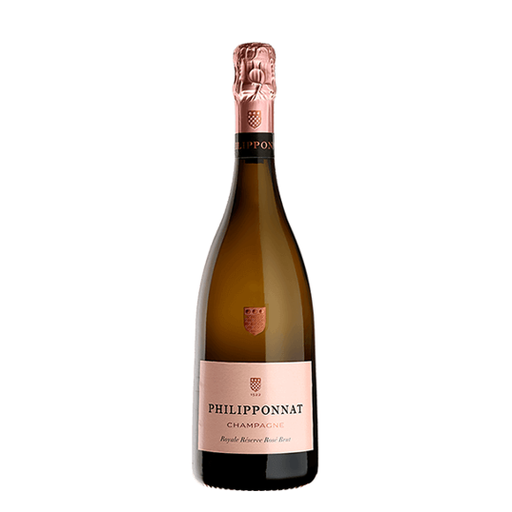
Why we chose it: For those who want to move beyond traditional brut and explore the delightful character of a rosé champagne. Ideal at the dinner table or for fans of red fruit notes.
By catering to a specific preference, it avoids any confusion of styles. This is a deliberate choice for a more focused and refined tasting experience.
Its delicate bouquet, where red fruits (cherry, wild strawberry) mingle with hints of citrus for a beautiful complexity.
Explore our full selection of sparkling wines, all chosen for their quality and adherence to appellation standards.
It's all a matter of sugar! A Brut champagne contains less than 12 grams of sugar per litre, giving it a dry, fresh, and crisp profile that's ideal for an aperitif. In contrast, a Demi-Sec (between 32 and 50 g/L) is noticeably sweeter and is best reserved for pairing with desserts.
A non-vintage champagne (the vast majority of bottles, like Mo?t & Chandon Impérial or Veuve Clicquot Yellow Label Brut) is not intended for long-term cellaring. It is at its peak at the time of purchase and is best enjoyed within 2 to 3 years. Store the bottle on its side, away from light, in a cool place with a stable temperature.
While not essential, certain accessories enhance the tasting experience. An ice bucket will keep the bottle at its ideal serving temperature (8-10 °C / 46-50 °F). A hermetic stopper is very useful for preserving the bubbles in an opened bottle for a day or two. Finally, beautiful flutes or even white wine glasses allow you to appreciate the full finesse of the bubbles and the richness of the aromas.