Runners preparing for several long runs
A multipack helps you plan portions for different training sessions. Count the bars and check their individual weight before deciding how many packs you’ll need.


When stocking up, check how many bars there are and the weight of each portion: two multipacks that look the same size may not provide the same number of servings. If you plan to eat a bar during a marathon, check its carbohydrate content per portion and try it during training; its format alone won’t tell you whether it will suit you during a race.
A multipack helps you plan portions for different training sessions. Count the bars and check their individual weight before deciding how many packs you’ll need.
A bar that’s easy to carry isn’t necessarily easy to eat while running. Check the carbohydrates per portion and the ingredients, and see how well you tolerate it on long training runs.
If the same stock is used for snacks and training, choose with everyone who’ll be eating the bars in mind. The ingredients list and highlighted allergens are especially important.
When stocking up for training, consider how many portions you’ll have, whether you might eat them during exercise, and the needs of anyone else sharing the bars.
| What matters | What to check | Who is it for? |
|---|---|---|
| Number of portions | Number of bars, total net weight of the multipack and the weight of each bar. | I’m preparing for several runs and want to know how many servings the multipack actually provides. Around 38% of consumers put the number of available portions at the top of their list. |
| Eating during exercise | Carbohydrates per portion, fat and fibre; try the bar on a long run. | If I plan to eat while running, I need a portion that fits into my fuelling plan and that I can tolerate during training. This is the main priority for around 38% of consumers. |
| What’s in a shared stock | Ingredients list and highlighted allergens on the packaging. | At home, several people may take a bar from the same pack, so I need to choose a recipe that works for everyone. For around 24% of consumers, what’s in a shared stock comes before other considerations. |
A bar’s texture and ingredients alone won’t tell you whether you’ll want to eat it during a long race.
Try the specific product, portion and timing on long runs before including it in your fuelling plan.
These categories don’t describe the same product. A protein claim doesn’t tell you how many carbohydrates a portion provides or whether it’s suitable for your planned fuelling.
If you plan to eat during a race, start with the nutritional information per bar and your experience during training, rather than the category name.
Some bar recipes listed by Carrefour and Auchan contain milk, peanuts or almonds, among other ingredients. A similar recipe may therefore not suit everyone sharing the multipack.
Check the ingredients and highlighted allergens on the packaging of the product you’ve chosen, even if you already know the brand.
Own-brand cereal bars worth considering when you’re looking for portions for several runs.
Ranges of bars to compare recipe by recipe, rather than treating them as a single product.
The brand offers a range of cereal bar recipes, with different formats and ingredients.
The oat-based Crunchy bars may appeal if you want to spread your bars across several runs.
BN describes its range as biscuits, so it should be considered separately from the cereal bars covered here for fuelling.
This selection includes individually portioned cereal bars and a multipack of oat bars to consider for your training stash. If you plan to take a product with you on a run, check its portion size and ingredients, then try it on a long run.
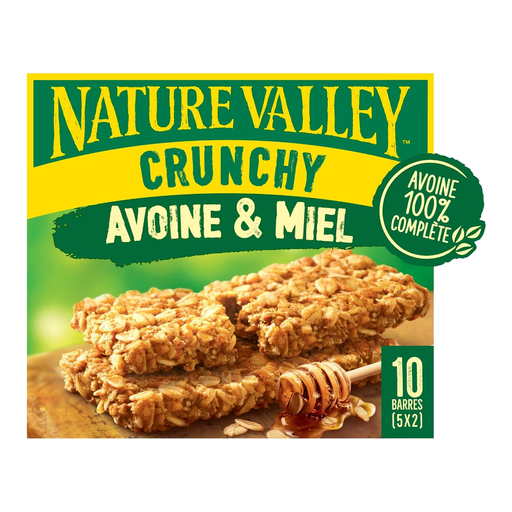 Image unavailable
Worth considering if you’re spreading oat bars across several runs. The multipack is listed as 210 g. If you plan to eat a bar during exercise, check the portion and ingredients on the packaging, then try it during training.
 Image unavailable
This pack of twelve bars gives you portions to plan for several runs. It’s an energy bar, rather than a classic cereal bar. If you plan to eat it during exercise, check its nutritional information and ingredients.
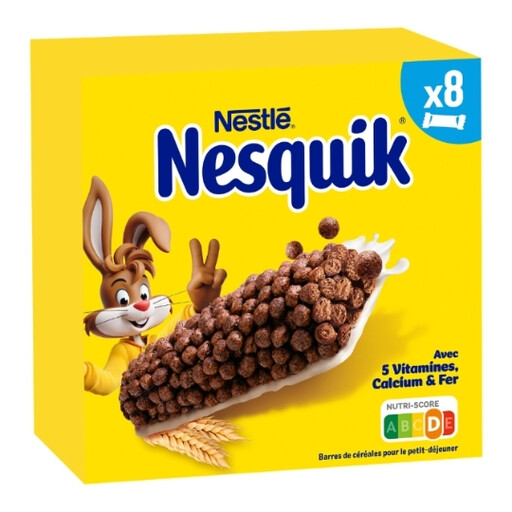 Image unavailable
Eight 25 g portions for your snack or training stash. If you’re thinking of taking them on a run, compare the carbohydrates per bar with your planned fuelling and check the allergens on the packaging.
Yes. According to VIDAL, solid food can be part of your fuelling plan for a long event. Choose a bar you’ve already tried during training and plan it alongside your other fuel and hydration. Don’t assume every recipe will be just as easy to eat during a race.
No. Check the total weight and the weight of each bar, too. A multipack of smaller portions and one of larger portions don’t provide the same amount to spread across your runs.
Look for carbohydrates in the nutritional information and check whether the figures are given per 100 g or per portion. If they’re listed per 100 g, take the bar’s actual weight into account before including it in your fuelling plan.
Read the ingredients list and check the highlighted allergens on the pack you’ve chosen. The DGCCRF states that allergens must be declared on the labels of relevant food products. Don’t assume a recipe has the same ingredients as another bar from the same brand.
Not automatically. ‘Protein’ describes one aspect of the recipe, not the carbohydrates per portion or how easy the bar is to eat during exercise. Compare the nutritional information for the specific products and try any new option during training.