For a marathon, start by choosing a bar whose carbohydrate content per serving fits into your fuelling plan; a ‘reduced fat’ claim alone won’t tell you that. Then compare the fat, fibre and serving size you plan to eat, and try the same recipe and amount in training, as World Athletics recommends for a personalised race plan.
Who is this choice for?
Runners planning their carbohydrate intake
If you’re considering eating a bar during a long race, the carbohydrate content per serving helps you work out how it fits alongside the rest of your fuelling. World Athletics recommends preparing a plan that suits you and practising it in training first.
Runners keeping an eye on fat
If you’re looking for a lower-fat recipe, compare the amount in the bar you’ll actually eat. Neither that figure nor a ‘reduced fat’ claim tells you how many carbohydrates the bar provides.
Runners who want to test their tolerance
If a bar is going to be part of your fuelling plan, check its serving size, fibre and ingredients list, then try it during training. Don’t wait until race day to find out what it’s like to eat or how it feels.
What should you look at first?
When comparing two bars, start with the serving size you expect to eat, then consider its nutritional values as part of your fuelling plan.
| What to compare |
What to check |
Who is it for? |
| Carbohydrates per serving |
Check the carbohydrates in one bar, and count those in any drinks or gels you plan to have too. |
If I’m relying on a bar during the race, I want to know how it fits into my fuelling plan. Around 46% of consumers put carbohydrate intake first. |
| Fat |
Check the amount per bar; if a reduction is claimed, find out what it refers to. |
I’m mainly looking to compare lower-fat recipes without confusing this feature with their carbohydrate content. This is the priority for around 27% of consumers. |
| Tolerance during exercise |
Compare the fibre and size of the bar, then try the amount you plan to eat in training. |
Eating while running can be less convenient than eating at rest, so I want to try the recipe in the conditions I’ll use it in. Around 18% of consumers prioritise how well they tolerate it. |
| Ingredients and format |
Check the allergen information for the exact product and the weight of the portions you’ll carry. |
If I need to avoid certain ingredients or carry my portions with me, these details determine what I can choose. They are the main concern for around 9% of consumers. |
Mistakes to avoid
-
Assuming ‘reduced fat’ means it’s right for your fuelling plan
This claim is about fat, not the carbohydrates in the bar or how easy it is to eat during a race.
Check the carbohydrates and fat per serving separately, then consider how that serving fits into what you plan to consume.
-
Comparing the figures per 100 g only
A figure per 100 g may not reflect how much you’ll actually eat: Auchan France lists a 23.5 g serving for Nestlé Fitness Original, while Kellogg’s France lists a 40 g serving for Croustille Avoine Miel.
Convert each figure to the serving size you plan to eat before comparing bars or adding them to your plan.
-
Trying a new recipe for the first time on marathon day
Fibre content, texture and the amount you eat all matter when trying a bar during exercise. World Athletics recommends practising your planned race strategy in training.
Try the same product and amount, with the drink and at the time you’re considering for race day. If you need to avoid an ingredient, check the allergen information for each product.
Brands and retailers to compare
Kellogg’s
The Croustille Avoine Miel product gives you an oat bar to compare, with a stated serving size of 40 g.
- Kellogg’s France lists 25 g of carbohydrates per 40 g serving.
- The same serving contains 7.1 g of fat, so check this figure before choosing the bar based on its fat content.
Carrefour
The retailer’s cereal bar recipes need to be compared product by product, particularly when they contain seeds or nuts.
- The Carrefour Bio Graines et Amandes product information gives you a figure for comparing fat content per 100 g.
- Carrefour France lists 39 g of fat per 100 g for this product, so its ingredients do not make it an obvious choice as a low-fat bar.
Auchan
The retailer offers several types of bars; a claim about sugar doesn’t replace checking the fat content of the product you choose.
- For Nestlé Fitness Original, Auchan France lists 1 g of fat and 12.3 g of carbohydrates per 23.5 g serving.
- This serving also contains 6.1 g of fibre. Try the product in training if you plan to eat it during exercise.
E.Leclerc / Marque Repère
The range includes different recipes, so check the format and nutritional values for the specific product you’re considering.
- E.Leclerc’s product information for Grainea Chocolat Noir lists a pack of six bars weighing 126 g, as well as 71 g of carbohydrates per 100 g.
- It also lists 9.5 g of fat per 100 g. This figure alone does not mean the product is ‘reduced fat’.
Bars to consider on Joybuy
These cereal and energy bars offer different formats to compare if you’re considering taking a solid food with you as part of your fuelling plan. Check the values for the serving you choose and try it in training; their inclusion here does not mean they carry a ‘reduced fat’ claim.
 Image unavailable
CLIF BAR Blueberry Energy Bar, 12 × 68 g
Consider this if you’d like to include an energy bar in a fuelling plan you’ve already worked out. The pack contains 12 bars weighing 68 g each; check the carbohydrates, fat, fibre and allergen information for this recipe before choosing your serving size.
View on Joybuy
 Image unavailable
CLIF BAR Macadamia Nut and White Chocolate Energy Bar, 12 × 68 g
You can compare this recipe with other 68 g bars if you prefer this size for training. The pack contains 12 bars; check the fat, fibre and ingredients in the macadamia and white chocolate variant in particular.
View on Joybuy
 Image unavailable
CLIF BAR Peanut Butter Banana Energy Bar, 12 × 68 g
If you’re interested in the peanut butter and banana recipe for a long run, assess it as a separate product, even though it’s the same size. The pack contains 12 bars weighing 68 g each; check the carbohydrates, fat, fibre and allergen information before trying it.
View on Joybuy
 Image unavailable
Nesquik cereal bars, 8 × 25 g
The 25 g portions make it easier to plan how many bars to take, but weight alone doesn’t tell you how many carbohydrates they provide. The pack contains eight bars; check the nutritional values for the portion you’ll eat. A claim about reduced-fat cocoa does not necessarily apply to the whole bar.
View on Joybuy
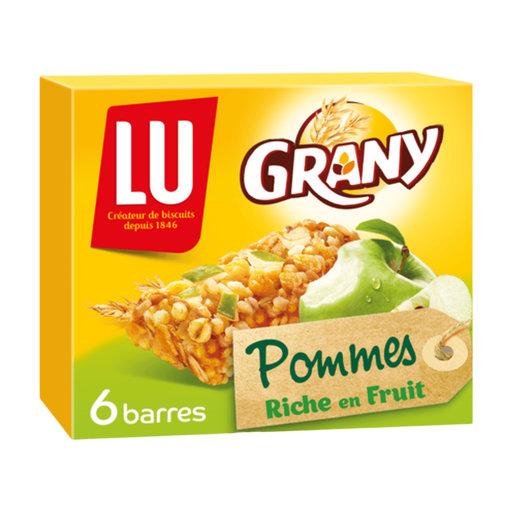 Image unavailable
LU Grany Apple Cereal Bars, 125 g
If you’re considering these apple cereal bars for a long run, first work out how much you plan to eat. The pack weighs 125 g; check the weight of each bar and the corresponding nutritional values before adding it to your fuelling plan.
View on Joybuy
Frequently asked questions
Is a low-fat bar enough for marathon fuelling?
No: the amount of fat doesn’t tell you how many carbohydrates it provides. World Athletics gives carbohydrate intake recommendations that vary according to the duration of exercise. Compare the carbohydrates in the serving you’re considering with those in your other fuelling products, and practise your plan in training.
What does ‘reduced fat’ mean?
It refers to a reduction in fat compared with something else; it doesn’t tell you whether the bar is suitable for your race. Check that the claim applies to the whole bar, then look separately at its carbohydrates, fat and fibre per serving.
Why check the fibre if I’m mainly comparing fat content?
These figures describe different aspects of the recipe. For example, Auchan France lists 1 g of fat and 6.1 g of fibre per 23.5 g serving of Nestlé Fitness Original. If you’re considering eating it while running, try that serving in training first.
Can I switch to a different bar just before the marathon?
It’s best to try the new product as part of the plan you intend to follow on race day. World Athletics recommends practising your fuelling strategy in training: try the amount, timing and drink you’re considering, and check the allergen information if you need to avoid certain ingredients.


