What should you look for?
When choosing a bar to take with you before an activity, start with the factor that matters most to you. The DGCCRF states that the nutrition declaration for relevant prepacked foods gives values per 100 g; the portion weight then helps you work out how those values relate to what you’ll eat.
| What to consider |
What to check |
Who is it for? |
| Portion to take with you |
Look for ‘individually wrapped’ or ‘individual sachets’, and check the number of bars and the weight of each one. |
When I’m heading straight to a session, I want to take one portion without opening the whole pack; around 40% of consumers put this format at the top of their needs. |
| What’s in each portion |
Check the nutritional information per 100 g and per portion, particularly sugars, fat and protein. |
If I’m comparing a small classic bar with a protein recipe, I want to know what’s in the amount I’ll eat; around 40% of consumers prioritise ingredients and composition. |
| Allergens and ingredients to avoid |
Check the ingredients list and any ‘may contain’ warnings on the packaging of the variant you’ve chosen. |
Before choosing a peanut or chocolate recipe, I need to rule out ingredients that aren’t suitable for me; around 20% of consumers put this compatibility first. |
Bars available on Joybuy
This selection includes classic cereal bars, nut-based recipes and a protein bar. If you’re packing one for the gym, compare the portion sizes and check the packaging of the variant you choose.
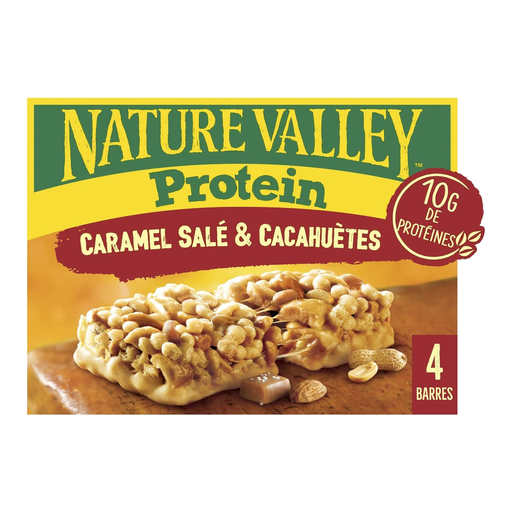 Image unavailable
Nature Valley Protein Salted Caramel & Peanuts, 4 × 40 g
Worth considering if you’re looking for a protein recipe in 40 g portions to compare with other snacks. As peanuts are mentioned in the name, it’s particularly important to check the ingredients and other allergens if you’re avoiding certain foods. Don’t assume it’s right for your session just because it says ‘Protein’.
View on Joybuy
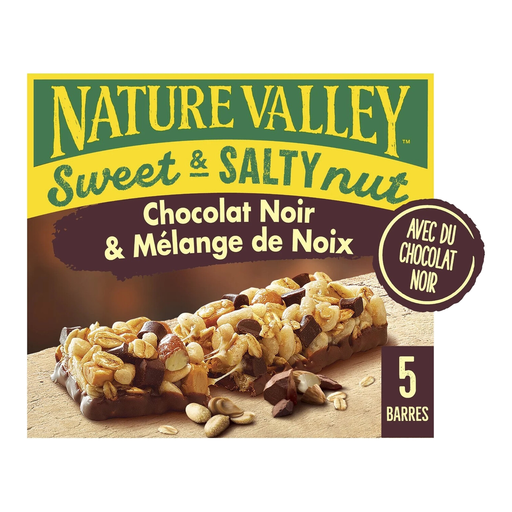 Image unavailable
Nature Valley Nut Bar Dark Chocolate & Nuts, 5 × 30 g
This dark chocolate and nut recipe is one to compare with a more classic cereal bar if you’re interested in this type of snack. The pack contains five 30 g bars; check the fat content per portion and the allergen information for the exact variant before choosing.
View on Joybuy
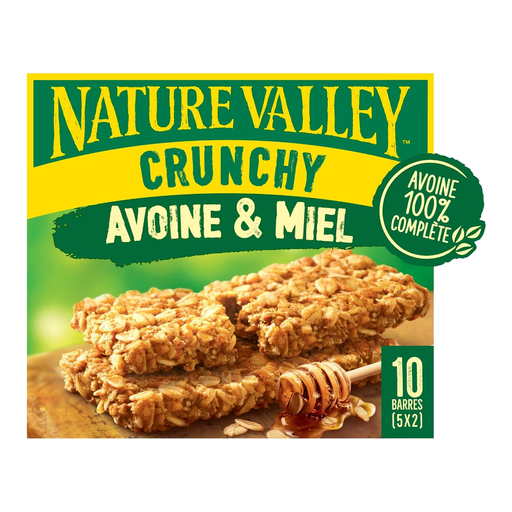 Image unavailable
Nature Valley Crunchy Oats & Honey Energy Bar × 5, 210 g
This oat and honey recipe is worth considering if you’d rather compare cereal bars than choose based on the word ‘protein’. The product name indicates a 210 g pack of five bars; check the packaging to see what counts as a portion and which allergens are present in this recipe.
View on Joybuy
 Image unavailable
CLIF BAR Blueberry Energy Bar, 12 × 68 g
To compare a blueberry recipe with a 68 g bar, relate the nutritional information to the portion you plan to eat. If you need to take just one bar with you, check how the 12 bars are packaged; also check the allergens on the pack.
View on Joybuy
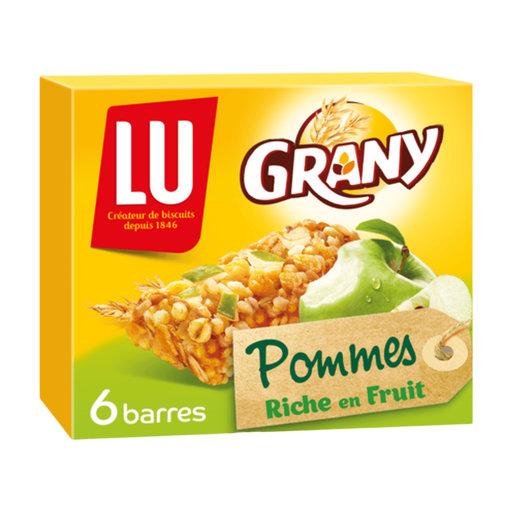 Image unavailable
LU Grany Apple, 125 g cereal bars
This apple recipe is one to include when comparing fruit-flavoured cereal bars. The pack is listed as 125 g; if separate portions are important when you’re out and about, check the number and weight of the bars and how they’re packaged, as well as the allergens in the exact recipe.
View on Joybuy
Frequently asked questions
How do I compare two bars of different weights?
First compare their nutritional information per 100 g, then check the values for the amount you’ll eat. The DGCCRF says that the nutrition declaration for relevant prepacked foods includes energy, fat, sugars, protein and salt, among other information.
Is a protein bar always suitable before exercise?
No. The word ‘protein’ alone isn’t enough to help you choose a snack for every activity. A joint position statement from the American College of Sports Medicine, the Academy of Nutrition and Dietetics and Dietitians of Canada highlights the importance of the type, amount and timing of intake. Compare the whole portion in the context of your own needs.
Which allergens should I check in a cereal bar?
Depending on the recipe, check for cereals containing gluten, peanuts, nuts, milk and soya. The European Food Safety Authority notes that the presence of any of 14 allergens must be declared when they’re used as ingredients; also check for ‘may contain’ warnings on the exact pack.
Can I rely on the packaging of a bar I’ve bought before?
If you have an allergy or avoid certain ingredients, check the pack you’re buying now rather than relying on an old photo. Nature Valley says that its recipes may be reformulated and recommends checking the ingredients and nutritional information on the packaging.
Does food labelling in France have to be in French?
Yes. The DGCCRF states that information on food sold in France and intended for consumers must be written in French. Check the label on the variant you’ve chosen to compare its ingredients and portion size.


