
Livraison le jour même ou le lendemain

Qualité garantie

Débloquez vos offres de bienvenue: Livraison GRATUITE | Jusqu'à -80 % | 30 jours d'essai gratuits à JoyPlus
Téléchargez l'application
A good ground mat can make all the difference on an outdoor trip. Whether it's a weekend in a tent, a family picnic, or a day at the beach, insulating yourself from a damp, cold, or uncomfortable ground is essential. However, the market is flooded with products making tempting promises, and not all of them deliver. To ensure you don't regret your purchase, here are the pitfalls to avoid and the key criteria to watch for.
The excitement of a new adventure can sometimes make us overlook the basics. Here are the classic mistakes that will make you regret your purchase:
To make the right choice, rely on key technical specifications rather than marketing hype.
A ground mat's primary mission is to insulate you from the discomforts of the ground. Two types of materials dominate the market:
The best mat is the one you don't hesitate to bring along. For hiking, every gram counts. A mat that rolls or folds compactly will easily slip into a backpack. For picnics or beach days, weight is less critical, but a picnic blanket that is easy to carry and store remains a highly appreciated advantage.
An outdoor ground mat is subjected to harsh conditions. It must resist twigs, small stones, and friction. Ensure the surface is not only puncture-resistant but also easy to clean. A smooth, non-porous surface can be cleaned with a simple wipe of a sponge—a significant plus after a picnic with children.
Every outing has its own demands. Here is a selection of products tailored to specific needs to help clarify your options.
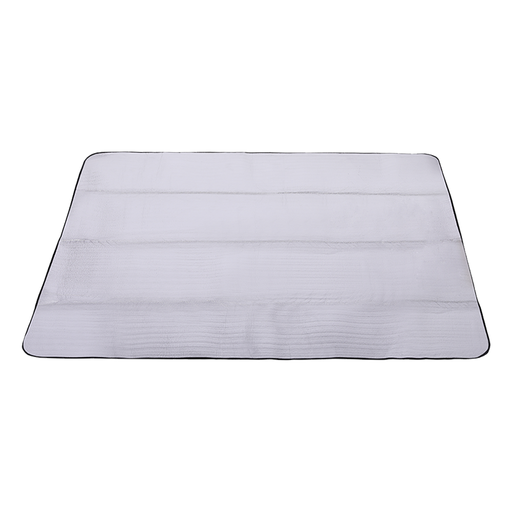
Why we chose it: Ideal for those who count every gram. Perfect as a tent underlay to insulate from moisture, or as an auxiliary mat for a quick break while hiking.
It doesn't promise plush comfort (pitfall #1), but a clear and dedicated function: insulation and waterproofing. Its aluminum foil design is a guarantee against rising damp (pitfall #2).
Featherlight (approx. 0.3 kg) and ultra-compact storage. The double-sided aluminum reflects body heat.
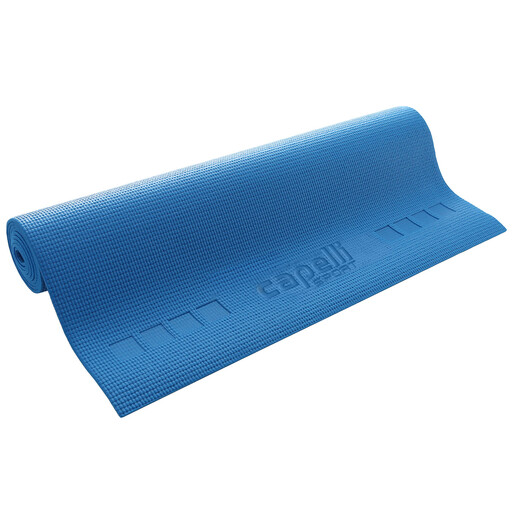
Why we chose it: For those who primarily want good cushioning for sitting or lying down during a picnic or a relaxation session in the park. Its main purpose is fitness, but it lends itself well to occasional outdoor use.
It doesn't pretend to be a technical camping mat. It thus avoids the "jack-of-all-trades" trap (pitfall #3) by embracing its role: an excellent comfort mat, perfect for outdoor use on dry ground.
Comfortable cushioning thanks to its PVC composition. Its textured surface provides good stability for sitting or for children to play on.
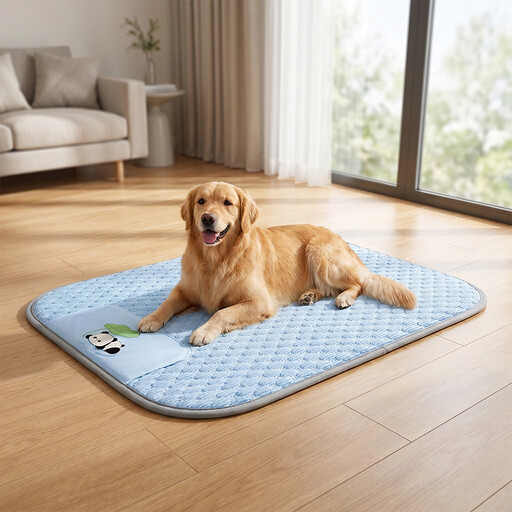
Why we chose it: A clever solution for staying cool during heatwaves. Originally designed for pets, its cooling technology is a real asset on hot sand or a lawn under the scorching sun.
It addresses a very specific need (staying cool) instead of making multiple, diluted promises (pitfall #3). Its mission is not to insulate from the cold, but to dissipate heat.
4-layer construction designed for a cool-to-the-touch sensation. Large surface area of 120 x 90 cm, ideal for lying down or for several people to sit on.
Browse our selection of outdoor equipment, from ground mats to entryway solutions, all chosen for their practicality and durability.
1. What's the difference between a foam ground mat and an aluminum one? A foam mat generally offers better cushioning and consistent thermal insulation. An aluminum mat is unbeatable in terms of weight and compactness, in addition to being excellent at blocking moisture. The choice therefore depends on your priority: comfort (foam) or lightness (aluminum).
2. How do I clean and maintain my camping mat? For most mats with a smooth surface (PVC, aluminum, PE), a simple wipe with a sponge and soapy water is sufficient. Avoid hard brushes that could scratch the coatings. Make sure the mat is completely dry before rolling it up and storing it to prevent mould growth.
3. Can I use a yoga mat for camping? It's possible, but only for very occasional use and in dry weather. A yoga mat provides appreciable sitting comfort, but it is neither waterproof nor designed to effectively insulate from the cold of a forest floor. Its more fragile surface could be damaged by stones and branches. It is therefore much better suited for a picnic in a park than for a night in a tent.