A bad night's sleep can quickly turn a great outdoor adventure into a painful memory. The cold seeping up from the ground, the rocks poking you in the back... A good camping mattress is a cornerstone of your sleep system, just as important as a suitable sleeping bag.
Between foam, self-inflating, and inflatable pads, the options can be overwhelming. This guide is here to break down the key criteria and help you find the perfect mattress for your needs, whether you're heading out for a lightweight backpacking trip, a bivy, or a family camping weekend.
How to Choose Your Camping Mattress??
Before diving into our top picks, let's review the crucial points for making the right choice.
1. Pad Type?: Foam, Self-Inflating, or Inflatable??
Each technology has its own strengths when it comes to comfort, weight, and reliability.
- Closed-Cell Foam Pad?: This is the ultimate choice for simplicity and durability. Made of foam, this type of foam camping pad is very lightweight and completely puncture-proof. Its Achilles' heel?? Its bulk. It rolls or folds but doesn't truly compress.
- Self-Inflating Pad?: This is the ideal middle ground. Composed of open-cell foam inside a waterproof shell, it partially inflates on its own when you open the valve. You just need to add a few breaths to top it off and adjust the firmness. While more comfortable than a foam pad, it's also a bit heavier and susceptible to punctures.
- Inflatable Pad (Air Pad)?: This is the champion of comfort and packability. The downside?: its thermal insulation is often non-existent, and it requires full inflation (by mouth or with a pump). It's also the most fragile type.
2. Thermal Insulation?: The Key to Warm Nights
One of the key roles of an insulating sleeping pad is to protect you from the cold seeping up from the ground. This insulation capacity is measured by the R-Value. The higher this rating, the more insulating the pad. For summer use, an R-Value between 1 and 2 is sufficient. For 3-season camping or high-altitude bivouacs, aim for an R-Value of 3 or higher. Certain materials, like XPE foam or aluminium films, significantly improve insulation.
3. Weight and Packed Size?: Decisive Criteria for Backpacking
If you're carrying your gear on your back, every gram counts. A backpacking pad or a bivy pad must be as lightweight and compact as possible. This is the classic trade-off between comfort, insulation, and weight. Foam pads are very light but bulky, while inflatable pads (non-insulated) are the most compact. Self-inflating pads fall somewhere in between.
Recommended Mattresses for Every Sleeper
Here are a few models that stand out from the pack and cater to different types of campers.
For Reliability and Light Weight?: Campingmat 180X59cm
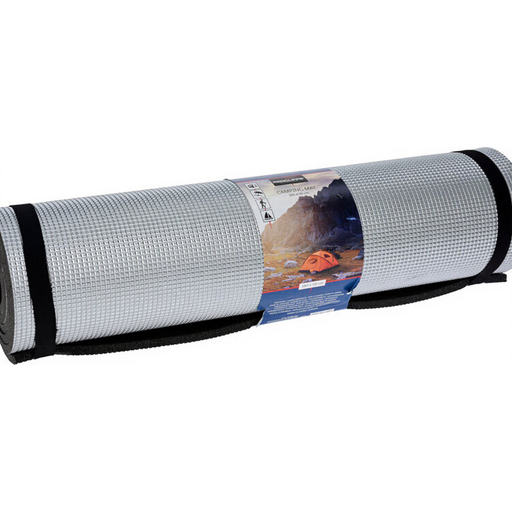
- Why it stands out?: This mattress gets straight to the point?: simple, effective, and no-frills. Made from 10?mm thick XPE foam, it features a reflective aluminium layer on one side to optimise heat retention—a real bonus for cool nights.
- Advantages?:
- Rock-solid reliability?: It's puncture-proof and will never let you down.
- Optimised insulation?: The combination of XPE foam and the aluminium film provides a good barrier against ground cold.
- Practical?: It comes with straps and a storage bag for easy transport.
- Who is it for?? Perfect for backpackers, festival-goers, and campers who prioritise reliability, light weight, and an affordable price. An excellent first piece of gear or a dependable backup pad.
For Base Camp Comfort?: Capelli Sport Interlocking Floor Tiles
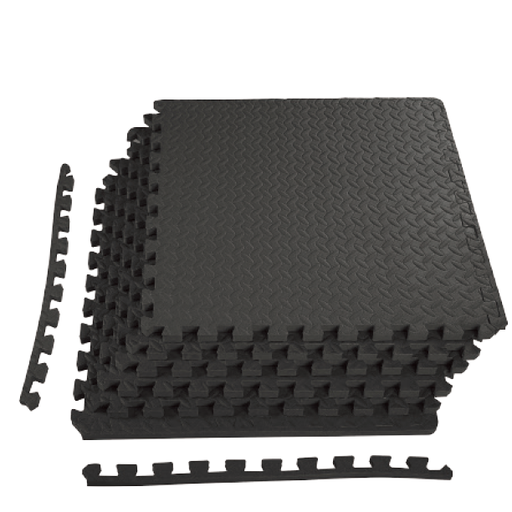
- Why it stands out?: Repurposed from its primary use as a gym mat, this set of thick (1.2?cm) PE foam tiles becomes a clever, modular comfort solution for camping.
- Advantages?:
- Excellent cushioning?: Its thickness provides great comfort and effectively protects from uneven ground.
- Total modularity?: The tiles interlock to create a custom-sized surface, perfect for covering the floor of a large family tent or the inside of a converted van.
- Easy to clean?: The non-porous surface can be wiped clean with a sponge.
- Who is it for?? Be aware, this is definitely not a bivy pad to slip into your backpack. It shines in "comfort" camping or van life scenarios?: ideal for lining the floor of a large family tent, an awning, or a converted van. Designed for indoor use, it is not meant to be placed directly on damp outdoor ground.
For a Balance of Comfort and Practicality?: NatureHike 5cm Self-Inflating Pad
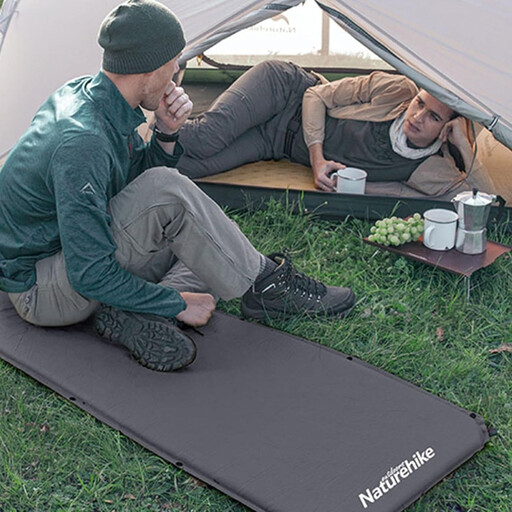
- Why it stands out?: This self-inflating pad strikes the perfect balance. With its 5?cm thickness and 19-layer internal sponge structure, it offers a level of comfort far superior to a classic foam pad, while remaining easy to set up.
- Advantages?:
- Noticeable comfort?: Its 5?cm thickness and soft-touch pongee outer fabric promise an excellent night's sleep.
- Quick setup?: Open the valve, and it self-inflates to about 80?%. A few breaths are all it takes to adjust the firmness to your liking.
- Good insulation?: The internal foam creates an effective barrier against the cold.
- Who is it for?? For the camper or backpacker who wants a real comfort upgrade without the hassle of a pump. It's the ultimate versatile option, equally at home car camping or on a trek where restorative sleep is non-negotiable.
Looking for Other Options??
Our selection covers the most common needs, but every adventure is unique. Are you looking for a different size, thickness, or technology for your next getaway?? The selection is vast.
To explore other models, feel free to browse our complete range.
? Explore our full range of outdoor mats to find the perfect gear for you
Frequently Asked Questions
What is the difference between a foam and a self-inflating camping mattress??
A foam pad is lighter, puncture-proof, and often cheaper, but it's also bulkier and less comfortable. A self-inflating pad offers much better comfort and insulation thanks to its mixed air/foam structure, but it is slightly heavier and susceptible to punctures. The choice depends on your priority?: bulletproof durability or more restorative sleep.
How do I properly maintain my camping mattress??
For a foam pad, a simple cleaning with a sponge and mild soap is all you need. For a self-inflating or inflatable model, the ideal way to store it is flat (not rolled up) with the valve open, in a dry place. This preserves the foam and prevents mould growth. Clean any spots with a damp cloth and make sure it is completely dry before storing it.
Can a camping mattress really insulate from the cold??
Absolutely, that's one of its fundamental roles. An insulating sleeping pad acts as a barrier that prevents your body heat from escaping into the cold ground (a phenomenon called conduction). Materials like closed-cell foam (XPE), the open-cell foam in self-inflating pads, and technologies like reflective aluminium films are specifically designed to create this thermal barrier and ensure your comfort all night long.


