
Livraison le jour même ou le lendemain

Qualité garantie

Débloquez vos offres de bienvenue: Livraison GRATUITE | Jusqu'à -80 % | 30 jours d'essai gratuits à JoyPlus
Téléchargez l'application
Sleeping under the stars is a magical experience. But a night's sleep ruined by a hard, cold ground can quickly turn that dream into a nightmare. Choosing a good 2-person inflatable camping mattress is therefore crucial. The problem is, it's easy to get lost in the technical jargon and marketing promises. This guide is here to help you avoid the common pitfalls and focus on the criteria that truly matter for a successful purchase.
The market is flooded with models boasting tempting features. Unfortunately, some of these hide flaws that only become apparent with use. Here are the points to watch closely.
A thick camping mattress might seem like a guarantee of comfort at first glance. This is a common misconception. A 10 cm thick mattress with large vertical air tubes can create a "hammock" effect or unpleasant pressure points, especially when two people are sleeping on it. The real key to comfort lies in the mattress's internal structure. Honeycomb cell designs distribute weight much more evenly and provide more uniform support, closer to the feel of a real bed.
The promise of a camping mattress with a built-in pump is appealing: no more getting out of breath or carrying a separate pump. However, be aware that not all integrated pumps are created equal. Some mechanisms are slow, noisy, or require awkward movements after a long day of hiking. An efficient foot pump should allow for full inflation in just a few minutes (typically 2 to 5 minutes) with minimal effort.
An ultralight camping mattress is perfect for backpacking, but this lightness often comes at the expense of durability. A fabric that is too thin will be more vulnerable to punctures from small rocks or branches. To assess durability, there's a technical indicator to look for: the fabric's Denier (D). A polyester or nylon with a rating of 40D or 50D offers an excellent balance between low weight and sufficient resistance for regular outdoor use.
To make an informed choice, here are the three key criteria that define the quality and practicality of your future sleeping setup.
Beyond thickness, the quality of your sleep will directly depend on the mattress's design.
Ease of setup and packing is essential.
For car camping, weight is a secondary concern. For a backpacking sleeping pad, every gram counts. A good double camping floor mat must offer an excellent compromise. A weight of around 1.5 to 2 kg for a two-person model with a built-in pump is a good benchmark. Also, remember to check the dimensions of the carry bag to ensure it will fit in your backpack or car trunk.
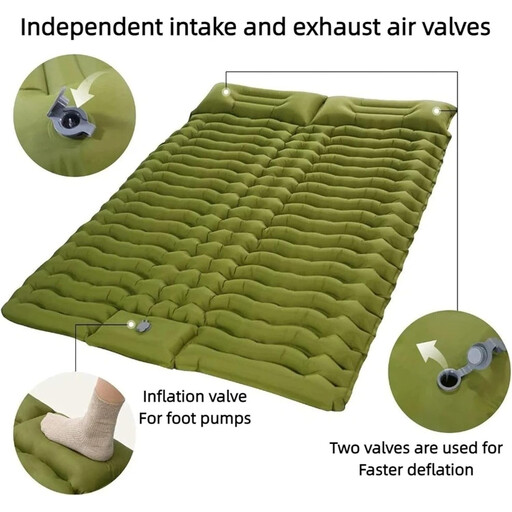
WHY IT'S A MATCH: Ideal for couples or friends who don't want to sacrifice comfort while camping. Its generous dimensions, integrated foot pump, and pillows make it an all-in-one solution, perfect for weekend tent trips or as a compact spare bed.
Its honeycomb structure ensures stable support and prevents the "air tube" effect. The foot pump is efficient (inflates in under 3 minutes), and the 50D pongee polyester fabric with a TPU coating is a great compromise between weight and durability.
Comfort and convenience with its integrated pump and pillows. An 8 cm thickness provides good insulation from the ground. Ultra-fast deflation thanks to the dedicated valve.
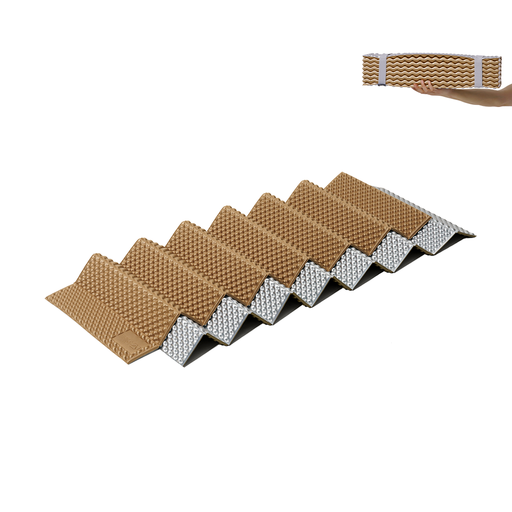
WHY IT'S A MATCH: For the solo backpacker who prioritizes reliability and lightness above all. This foam pad isn't susceptible to punctures, and its feather-light weight (500 g) is a major asset for long treks.
It completely eliminates the risk of punctures and any inflation-related issues. Its XPE foam construction is inherently durable and insulating, offering absolute peace of mind on the trail.
Maximum reliability (puncture-proof) and ultralight weight. The egg-crate structure traps air for effective thermal insulation from the cold ground.
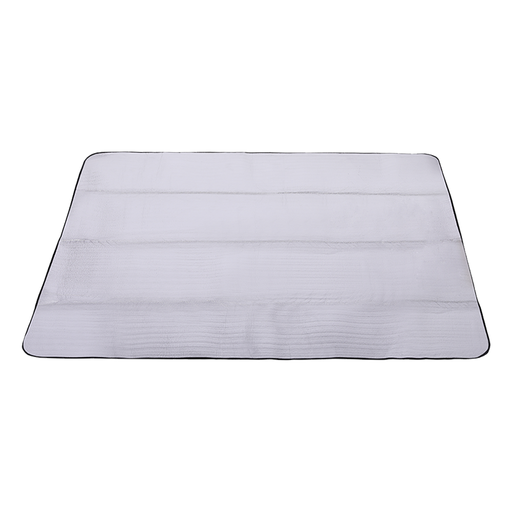
WHY IT'S A MATCH: This isn't a mattress, but it's the essential accessory for anyone camping in cool weather. Placed under your main mattress, it creates a formidable barrier against cold and moisture from the ground, significantly improving thermal comfort.
It tackles an often-overlooked problem: heat loss through conduction with the ground. For a minimal cost and weight (300 g), it solves a major comfort issue that even a thick mattress can't compensate for on its own.
Highly effective thermal and moisture barrier thanks to its double-sided aluminum foil. Ultralight, compact, and versatile (can also be used as a picnic blanket).
Explore our full selection of mattresses and sleeping pads that meet our criteria for quality and durability.
The longevity of an inflatable mattress depends on three factors: the quality of the materials (look for the Denier rating and the presence of TPU), frequency of use, and the care you take. By making a habit of clearing the ground before setting it up and storing it clean and dry, a well-made model can last for many seasons.
It all depends on your priorities. A 2-person self-inflating mattress is simple to deploy: you open the valve and wait. However, it is often heavier and bulkier when rolled up. A camping mattress with a built-in pump involves a few minutes of pumping with your foot, but inflation is generally faster and allows you to adjust the firmness with precision.
Most quality mattresses come with a repair kit (patches and glue). To fix a leak, you first need to locate it (by submerging the mattress in water or using soapy water). Once you've found the hole, clean and dry the area thoroughly, then apply the patch according to the instructions. Our advice: never leave home without this kit in your pack