
Livraison le jour même ou le lendemain

Qualité garantie

Débloquez vos offres de bienvenue: Livraison GRATUITE | Jusqu'à -80 % | 30 jours d'essai gratuits à JoyPlus
Téléchargez l'application
The charm of the 80s and 90s, the warmth of cassettes and CDs, all combined with today's technology. Do you dream of a device that can play your old mixtapes, dust off your CD albums, and also stream the latest hits from your smartphone? The Bluetooth CD cassette radio player is that very musical Swiss Army knife. But be warned: the market is flooded with models making tempting promises that, in practice, lead to bitter disappointment. To avoid buyer's remorse, it's best to know the pitfalls to avoid.
As product experts at Joybuy, our mission is to help you see things more clearly. Here are the key points to check to find that hidden gem that will bring your entire music collection back to life.
The appeal of vintage can sometimes make you forget the essentials: quality and reliability. Here are the three most common traps to be aware of.
To make an informed choice, focus on these three decisive aspects that make all the difference in a good modern device for playing cassettes and CDs.
A good multifunctional player should be a true musical Swiss Army knife. Check its compatibility with:
For a smooth Bluetooth experience, aim for at least version Bluetooth 4.1. More recent versions (5.0 and higher) offer an even more stable connection, extended range, and optimised power consumption. Some models even include NFC (Near Field Communication) technology, which allows you to pair your smartphone by simply tapping it against the device.
As mentioned, the only value that matters is RMS (Root Mean Square) power. For comfortable listening in a living space, a power of 20W RMS is a good baseline. For a Bluetooth CD cassette boombox intended to liven up parties or provide sound outdoors, aim for over 50W RMS. The presence of stereo speakers and, ideally, a passive bass radiator, is also an excellent indicator of sound quality.
A device for every profile. Here are a few models that meet specific needs, all while avoiding the pitfalls we've discussed.
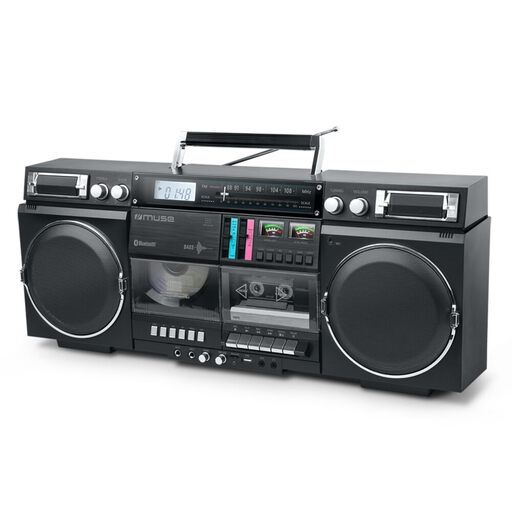
WHY WE LOVE IT: Ideal for those who want it all: the iconic boombox look, playback for all physical media (cassette, CD, USB), and the modernity of Bluetooth streaming. It's the ultimate family entertainment device, perfect for impromptu karaoke sessions thanks to its microphone inputs.
This model sidesteps the marketing power trap with a stated 80W output and a build that inspires confidence. It includes modern connectivity and a cassette deck with a recording function—a true sign of a serious device.
Absolute versatility. Its two microphone inputs make it the perfect companion for family gatherings and parties with friends.
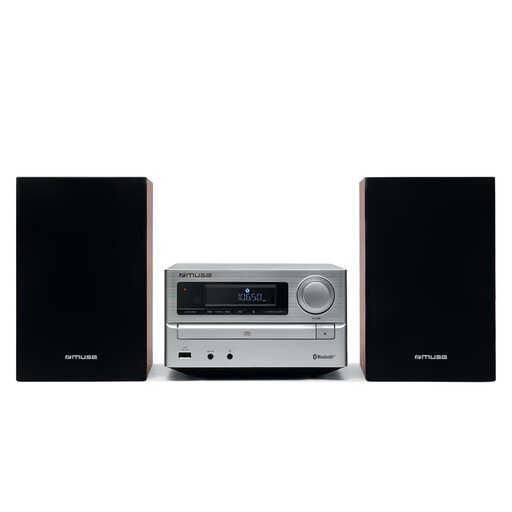
WHY WE LOVE IT: Perfect for those short on space or who prefer a more understated, modern design. This system forgoes the cassette player in favour of a micro hi-fi format that fits discreetly into a living room or bedroom, without compromising on the essentials: CD, USB, and Bluetooth.
It avoids the low-end connectivity trap by integrating Bluetooth 5.0, which ensures a stable, high-quality wireless link. Its 2 x 10W power output is clearly stated and perfectly suited for home use.
Its compact size and two separate speakers, which allow for much better stereo sound separation than an all-in-one unit.
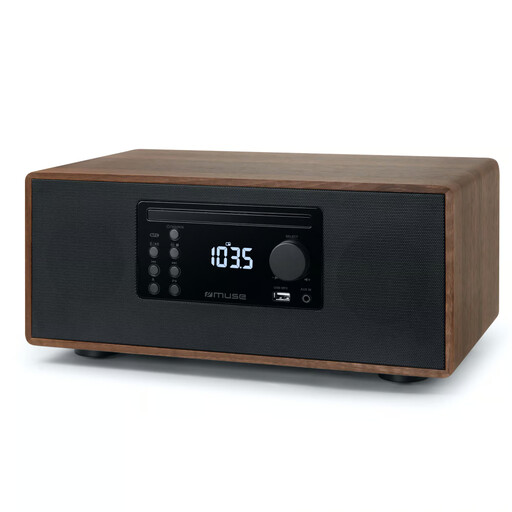
WHY WE LOVE IT: For the user who prioritises audio quality and design. Here, a cassette player isn't essential, but powerful, rich sound, simple connectivity, and a beautiful object are the key criteria. The wooden cabinet isn't just an aesthetic plus; it also improves the acoustics.
This model stands out with its 60W power and passive bass radiator, technical features that guarantee solid sound performance, a far cry from marketing figures. Bonus: the NFC function simplifies pairing.
The build quality, with its wooden cabinet, and the audio performance (especially in the bass) place it a step above all-plastic models.
Discover our full selection of products that meet our quality criteria and current safety standards.
The longevity of a cassette deck depends on its build quality and maintenance. To preserve it, regularly clean the tape heads with a proper cleaning kit and only use cassettes that are in good condition. On a device from a reputable brand, a well-maintained mechanism can work flawlessly for many years.
Yes, on some models! Devices like the MUSE M-380 GB include a recording function that allows you to copy the sound from any source (radio, CD, USB, Bluetooth) directly onto a blank cassette. To be sure, check for the "REC" or "Recording" function on the product specifications.
Generally, no. These devices are designed to be energy-efficient. When plugged into the mains, their consumption is much lower than that of a traditional hi-fi system. Some portable cassette radio models can also run on batteries, a convenient option for outdoor use but more expensive in the long run than using mains power.