
Livraison le jour même ou le lendemain

Qualité garantie

Débloquez vos offres de bienvenue: Livraison GRATUITE | Jusqu'à -80 % | 30 jours d'essai gratuits à JoyPlus
Téléchargez l'application
A cold draft creeping under your front door? A heating bill that’s climbing for no apparent reason? These often-underestimated annoyances have a simple cause: the gap under your door. An insulating door draft stopper is the easiest and most cost-effective solution to restore your comfort and lower your energy bills.
But with a jungle of options available, how do you find the right one? To help you avoid common pitfalls, we've broken down the traps to steer clear of and the essential criteria for choosing the perfect solution for your home.
Before you rush out and buy the first model you see, be aware of the common flaws that make many products useless after just a few months.
To make the right purchase, focus on these three key points. They will determine the effectiveness and durability of your installation.
The installation method is a crucial choice that depends on your door type and your comfort level with DIY projects.
This is the most critical factor for ensuring effective insulation. Carefully examine your floor right where the door closes.
Finally, check the product's material and the size of the gap it needs to seal.
To help you make the right choice, here are our selections for three common user profiles.
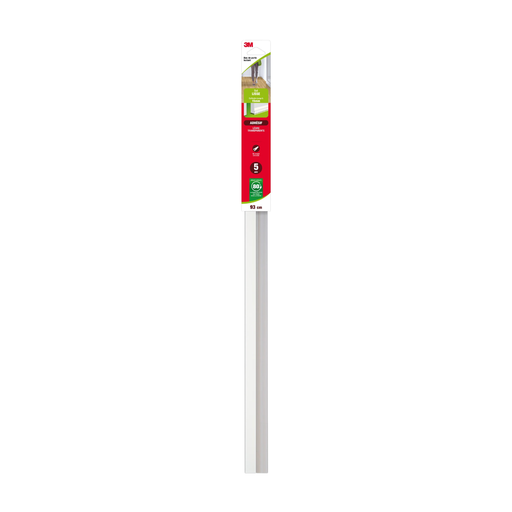
Why we chose it: Ideal for a modern apartment with parquet or tile floors. It offers a discreet, instant solution to block drafts effortlessly and without any tools.
It features a renowned 3M adhesive, bypassing the weak-adhesive trap. Its design for smooth floors prevents any incompatibility issues.
Ultra-simple installation and a discreet design, thanks to its transparent lip that blends seamlessly with the floor. Seals gaps up to 15 mm.
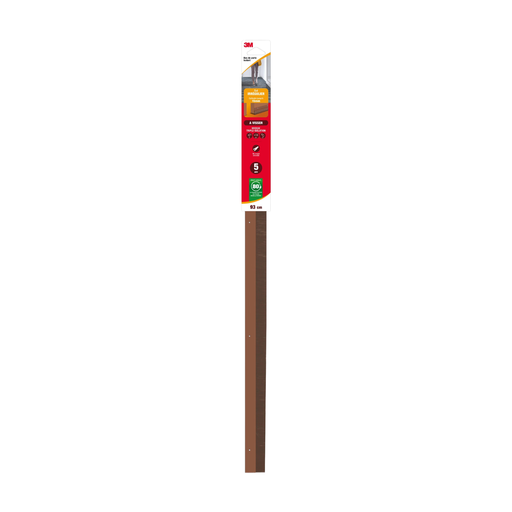
Why we chose it: Perfect for an older home with floors that aren't perfectly level. This is an investment in a long-term solution, especially for a high-traffic front door.
The screw-in mounting completely eliminates any risk of it coming unstuck. Its double row of bristles is specifically designed to adapt to uneven floors, avoiding one of the most common pitfalls.
Robustness and maximum effectiveness on challenging surfaces, thanks to its thin membrane and double brush that ensure a superior seal.
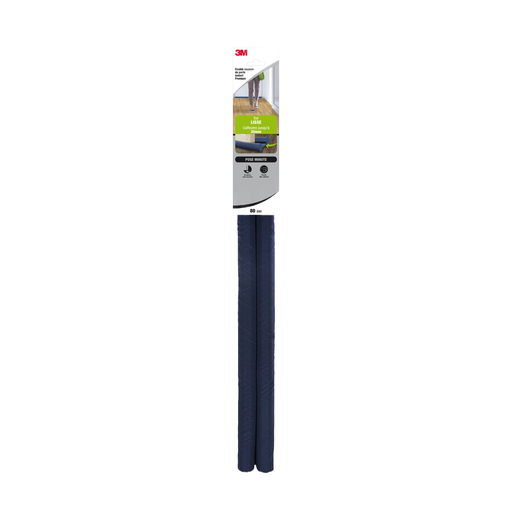
Why we chose it: The ideal solution for renters. No permanent fixtures, no marks left behind, and double insulation (both inside and out) for enhanced thermal and sound efficiency.
It completely bypasses the pitfalls of adhesives and drilling. Its flexible structure adapts well to standard doors and can be easily cut to size.
Instant installation and removal with zero damage. The double guard insulates both sides of the door, blocking both drafts and noise.
We've compiled a complete, up-to-date list of products that meet our strict selection criteria.
Its lifespan depends on three factors: the quality of the adhesive, the preparation of the surface, and the amount of foot traffic. A high-quality model, installed on a clean, smooth surface, can last for more than 5 years. Budget-friendly versions may start to fail within a single season.
Yes, by sealing the gap under the door, it blocks not only air but also sound. While it's not a professional soundproofing solution, you will notice a significant reduction in noise from the hallway or outside. Denser models like double draft guards or PVC seals are often more effective for sound reduction than a simple brush.
For a completely damage-free installation, choose a slide-on double draft guard. If you opt for an adhesive model, you can remove it later without leaving residue by gently heating the strip with a hairdryer. This will soften the glue, allowing you to peel the draft stopper off more cleanly.