
Livraison le jour même ou le lendemain

Qualité garantie

Débloquez vos offres de bienvenue: Livraison GRATUITE | Jusqu'à -80 % | 30 jours d'essai gratuits à JoyPlus
Téléchargez l'application
Asian snacks and condiments are perfect for livening up an aperitif, adding flavour to a quick meal or discovering Chinese, Korean, Japanese and Indian specialities. But with colourful packaging and promises of ‘traditional flavour’, ‘spicy’ or ‘family size’, choosing the right product is not always straightforward.
When buying Asian food products, three mistakes crop up regularly.
In France, food labelling must make it possible to identify allergens that must be declared. Before ordering, pay particular attention to mentions of soya, wheat, gluten, sesame, shellfish, fish, milk, peanuts and sulphites.
Light soya sauce generally contains soya, wheat and salt. Oyster sauce may contain oyster extracts, soya and wheat. As for prawn crackers, they are not suitable for people with shellfish allergies, even when presented as a simple snack.
The ingredients also help you distinguish a ready-to-eat product from an ingredient intended for cooking. Japanese bonito stock, for example, is better suited to miso soup, noodle broth or a slow-cooked dish than to a bowl of snacks.
Nutritional values allow you to compare products using clear, practical information. For reference, LEE KUM KEE light soya sauce contains 18 g of salt per 100 ml, while Panda Brand oyster sauce lists 9.1 g of salt per 100 g. In both cases, these are seasonings: a few drops or a small spoonful are often enough to enhance a dish.
JB Japan sweet soya sauce contains 40% sugar and 38% soya sauce, with a stated sugar content of 61 g per 100 ml. It is therefore suited to those who enjoy milder flavours, particularly for serving with sushi, preparing a marinade or creating a teriyaki-inspired recipe.
For Asian snacks, also remember to check for sweeteners, flavour enhancers and colourings. Wei Long spicy gluten snack lists sweeteners and aspartame, as well as 6.3 g of salt per 100 g. This is worth bearing in mind if the product is intended to be eaten regularly.
A small individual sachet is easy to slip into a bag or take along for a lunch break. For an aperitif with friends, a 200 to 250 g pack will generally be more suitable. Seasoned seaweed sold in 4 g portions, meanwhile, limits exposure to moisture after opening. By contrast, a 907 g bottle of oyster sauce is aimed more at households that cook Asian food frequently.
Always follow the manufacturer’s recommendations: store in a cool, dry place before opening, seal crispy products airtight and refrigerate after opening where indicated. JB Japan sweet soya sauce should in particular be kept in the refrigerator after opening and consumed within the period stated on the product page.
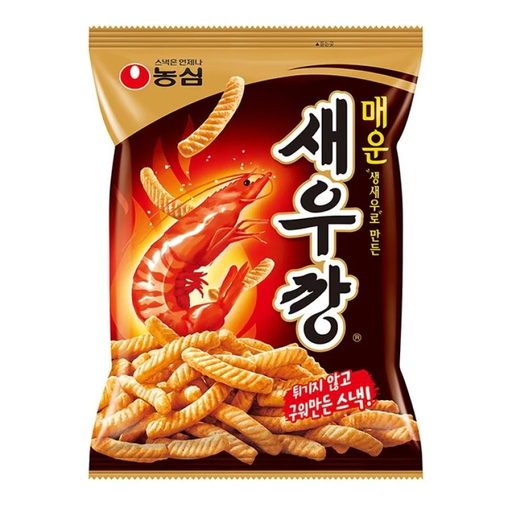
Why this product suits this profile : With 75 g ready to eat, this sachet is ideal for discovering Asian appetiser snacks for the first time or enjoying a small portion to share.
The spice level and allergens are clearly listed in the ingredients. No frying or additional preparation is required: the product can be eaten straight away.
A crispy texture, a stated prawn content of 5.7 % and a convenient size for storage. The product contains wheat, shellfish, soya and lactose.
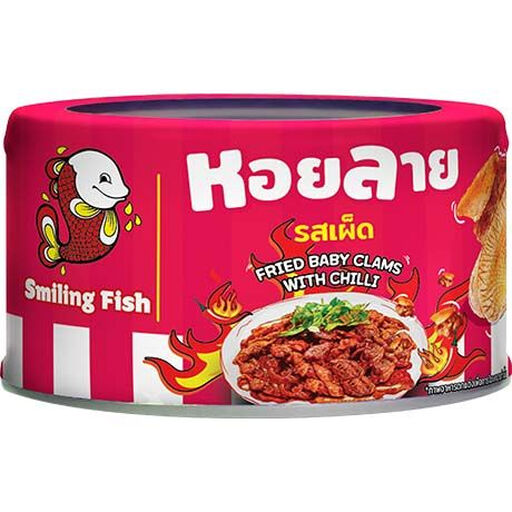
Why this product suits this profile : This product offers a change from the usual crackers at aperitif time, combining shellfish, soya sauce and chilli for a distinctly bold flavour.
The net weight of 70 g and the presence of genuine baby clams are clearly stated. Refrigerating the product after opening helps preserve it.
A texture described as crispy and a slightly spicy, savoury flavour, with 17 g of protein per 100 g according to the product page.
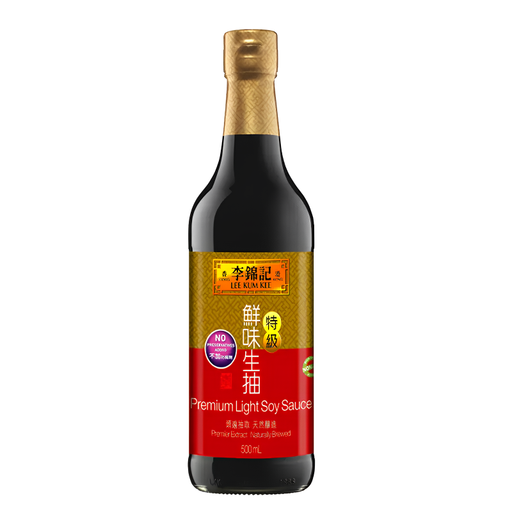
Why this product suits this profile : Its 500 ml size is designed for cooking, marinades and dipping sauces, making it particularly suitable for those who regularly cook Asian food.
The product page specifies its uses and its salt content of 18 g per 100 ml. This makes it easier to measure accurately than to pour it in at random.
A recipe made with defatted soya, wheat, salt and yeast extract. Refrigerate after opening. Contains soya and gluten.
At aperitif time, Chinese snacks, Korean snacks and Japanese snacks offer a wide variety of textures. Seasoned seaweed can be enjoyed on its own or with rice. Crispy noodles and prawn crackers add crunch, while Indian mixes such as Bikano All In One Mix combine chickpeas, lentils, peanuts, raisins and cashew nuts.
When cooking, take care not to confuse light soya sauce with sweet soya sauce. The former is mainly used to add salt and umami to stir-fries, marinades and broths. The latter adds a sweet touch to sushi, skewers and teriyaki-inspired recipes. Oyster sauce, meanwhile, works particularly well with stir-fried vegetables, noodles and marinated meat.
Choose sharing formats and check the spice level carefully. Seasoned seaweed, prawn crackers and mixes of cereals and pulses offer a variety of textures. For children, always check the allergen information and choking risk.
Light soya sauce mainly provides a salty, umami flavour. Sweet soya sauce contains a significant amount of sugar and is better suited to marinades, dipping sauces and recipes that call for a sweeter note. In both cases, it is best to start with a small amount and gradually adjust to taste.
Dry, crispy products should be resealed airtight and then consumed promptly to prevent them from losing their crunch. Sauces should be stored according to the instructions on the label, including refrigeration where required. The best-before date and the instructions on the packaging remain the key guidance to follow.