
Livraison le jour même ou le lendemain

Qualité garantie

Débloquez vos offres de bienvenue: Livraison GRATUITE | Jusqu'à -80 % | 30 jours d'essai gratuits à JoyPlus
Téléchargez l'application
Between light, dark, sweet and reduced-salt soy sauces, the differences are not always obvious on the shelf. A bottle designed to accompany sushi is not used in the same way as soy sauce for a wok, while a large bottle can quickly become cumbersome if you only cook Asian food occasionally.
To avoid disappointing purchases, the Joybuy Product Recommendation Officer helps you review the criteria that really matter: ingredients, salt content, concentration, size and culinary uses.
Dark soy sauce generally adds more colour, roundness and sometimes a touch of sweetness. It works particularly well with braised dishes, marinades and recipes where a brown colour is desired. Light soy sauce is better for enhancing food without changing its appearance too much.
However, please note that colour does not tell you the precise salt content. Check the nutritional information table instead. By way of indication, some light soy sauces contain between 14.7 and 18.6 g of salt per 100 ml, compared with 9.1 g per 100 ml for Kikkoman Less Salt.
Sweet soy sauce is ideal for glazes, skewers, marinades and certain Japanese- or Indonesian-inspired recipes. It does not necessarily replace classic soy sauce in soup, stock or a vegetable stir-fry.
Recipes can contain a lot of sugar: JB Japan Sweet Soy Sauce lists 61 g per 100 ml, while MONT ASIE Sweet Soy Sauce contains 58 g. These figures are not medical advice, but they can help you choose a condiment suited to the recipe and how often you use it.
A 1.75 or 1.9 l bottle may be suitable for a large family, very regular cooking or a small catering business. For occasional use, a 150 to 500 ml size is easier to store and reduces the risk of keeping an opened bottle for too long.
After opening, storage instructions vary from one product to another: some must be kept in the fridge, while others mainly require the cap to be closed tightly and the product to be consumed promptly. Always check the label of the product you receive.
The terms ‘naturally fermented’ or ‘traditionally brewed’ describe a process claimed by the manufacturer. It is better to consider them alongside the ingredients list rather than automatically treating them as a guarantee of superior quality.
Compare values per 100 ml, not just the stated serving size. Soy sauce remains a concentrated condiment: a few drops or a small spoonful are often enough to enhance a dish.
You should also check the ingredients:
Reduced-salt soy sauce is not necessarily suitable for every diet. It is simply a nutritional characteristic to compare on the label.
For a first purchase, 200 to 500 ml is enough to check whether the flavour suits your usual cooking. Sizes from 700 ml to 1.9 l reduce the need to repurchase if you use soy sauce frequently, but they require stable storage in a cool, dry place.
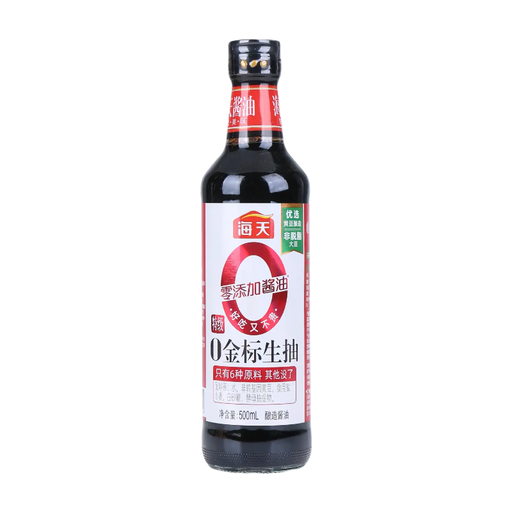
Why this product suits this profile : Its 500 ml size is ideal for discovering soy sauce for Asian cooking without committing to a large bottle straight away.
This practical size takes up less space and lets you try a light soy sauce before moving up to a family-sized bottle.
Six listed ingredients, 500 ml and a versatile option for salads, cooking, marinades and dipping sauces.
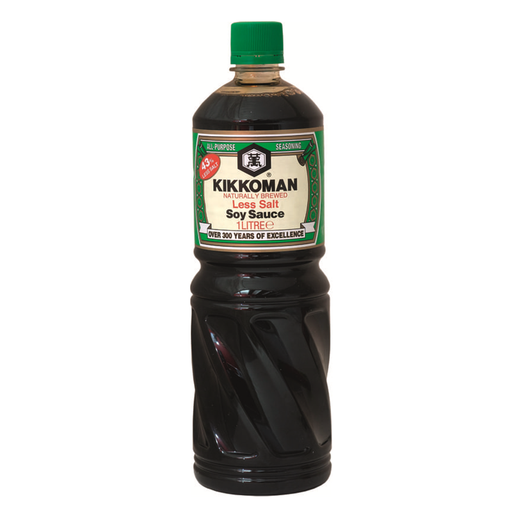
Why this product suits this profile : Its one-litre size and Japanese-style profile suit people who cook regularly and want to compare products based on their salt content.
The stated value of 9.1 g of salt per 100 ml makes it easy to compare objectively with classic soy sauces.
One litre, with no fat listed, suitable for cooking, marinades and use as a table condiment.
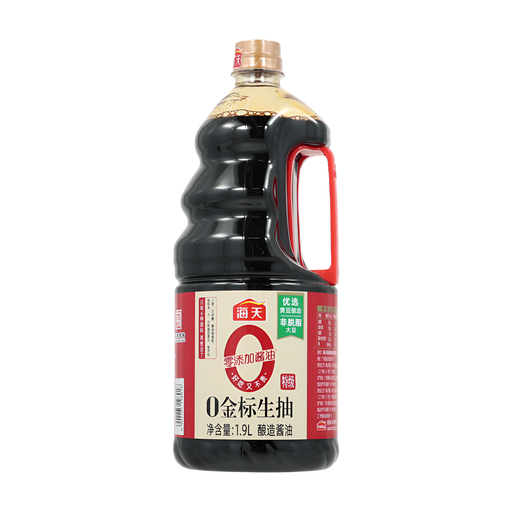
Why this product suits this profile : This large size is suitable for large families, people who cook very frequently and small catering businesses.
The large size reduces the need to repurchase when used intensively, while the product information specifies the allergens and storage conditions.
A light soy sauce described as brewed, suitable for dipping, stir-frying, marinating and seasoning.
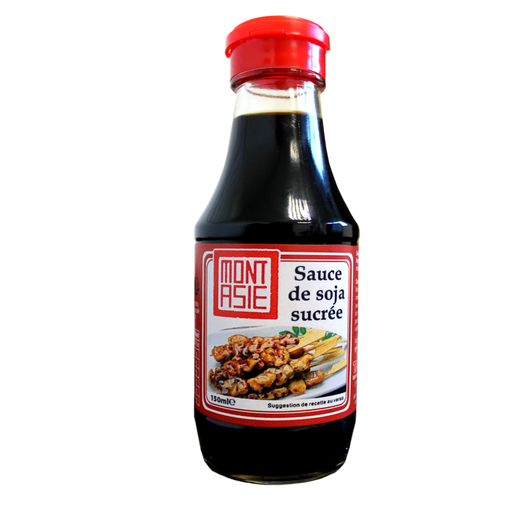
Why this product suits this profile : This small bottle is aimed at cooks who use sweet soy sauce occasionally for grilled dishes, marinades or accompaniments.
Its 150 ml size highlights that this is a sweet finishing condiment, rather than a versatile salty soy sauce for all types of cooking.
A blend of molasses, sugar and 17.5% soy sauce, designed for glazes and sweet-and-savoury recipes.
We have put together a complete, real-time-updated list of products that meet these strict selection criteria and European safety regulations.
Start by adding a small amount, particularly when using soy sauce for a wok or marinade. You can then dilute it with water, rice vinegar, ginger, garlic or a drizzle of sesame oil, depending on the recipe.
In a stir-fry, add the sauce towards the end of cooking to control the salt level more easily. For a marinade, combine it with acidic or sweet ingredients, then keep an eye on the colour during cooking: a dark or sweet sauce can brown very quickly.
Finally, check the allergens before serving. The products featured contain soya and, in most cases, wheat or gluten.
Light soy sauce is mainly used for seasoning and adding a salty, umami flavour. Dark soy sauce is generally used to give slow-cooked, braised or marinated dishes more colour and roundness. Ingredients vary from one brand to another, so check the sugar and salt content on the label.
It depends entirely on the manufacturer’s instructions. Many products recommend refrigerating soy sauce after opening, while others mainly require the cap to be closed tightly and the product to be consumed promptly. Follow the information printed on the bottle rather than relying on a general rule.
Start with one to two teaspoons per serving, then adjust after tasting. The amount depends on the quantity of vegetables, noodles or meat, as well as the other salty ingredients in the recipe.