
Livraison le jour même ou le lendemain

Qualité garantie

Débloquez vos offres de bienvenue: Livraison GRATUITE | Jusqu'à -80 % | 30 jours d'essai gratuits à JoyPlus
Téléchargez l'application
A staple in many cuisines, soy sauce can turn a simple grocery run into a daunting task. Faced with similar-looking labels and tempting marketing claims, it's easy to make a mistake. The result? A product that doesn't live up to its promise. As a product expert at Joybuy, my mission is to guide you beyond the marketing jargon to help you make a truly informed choice.
Before you fill your cart, here are the most common pitfalls to avoid:
light soy sauce is a reduced-salt option. The term "light" actually refers to its colour and thin consistency, which are ideal for seasoning, but its salt content is typically still high. A reduced-salt soy sauce is a completely separate category.To ensure you pick the soy sauce that will elevate your dishes, you only need to focus on a few key points.
The choice between light and dark soy sauce primarily depends on how you plan to use it.
Japanese soy sauce, are light sauces.Your dietary preferences or restrictions will naturally guide you toward specific options.
salty soy sauce contains between 15g and 18g of salt per 100ml. The reduced-salt versions drop to around 8g to 10g/100ml, an excellent compromise that doesn't sacrifice flavour.Japanese soy sauce traditionally brewed without wheat (or with a very small amount). The result is a richer, denser, and less sweet flavour than classic soy sauce. This makes it the go-to option for individuals with gluten intolerance. Always double-check that the label features the "gluten-free" certification, as some brands may deviate from the traditional recipe.To illustrate these differences, here are a few products suited for various needs.
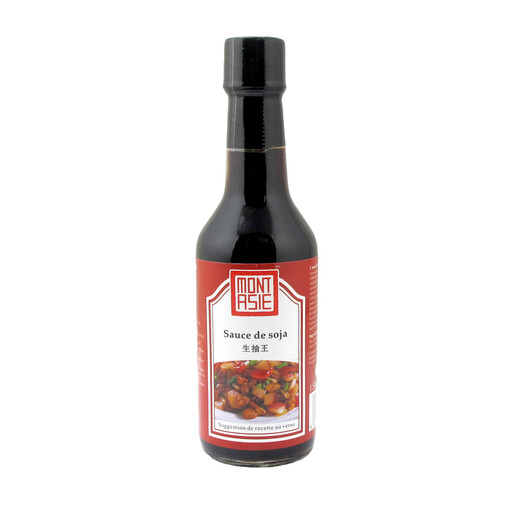
Why we chose it: Perfect for beginners in Asian cooking or for anyone seeking a versatile, affordable light soy sauce. Its compact size is practical for occasional use and helps prevent waste.
This sauce is straightforwardly presented as a basic light soy sauce. No false promises—it's a simple and effective choice for everyday seasoning.
Excellent value for a multi-purpose sauce: great for stir-fries, simple marinades, or as a dipping sauce.
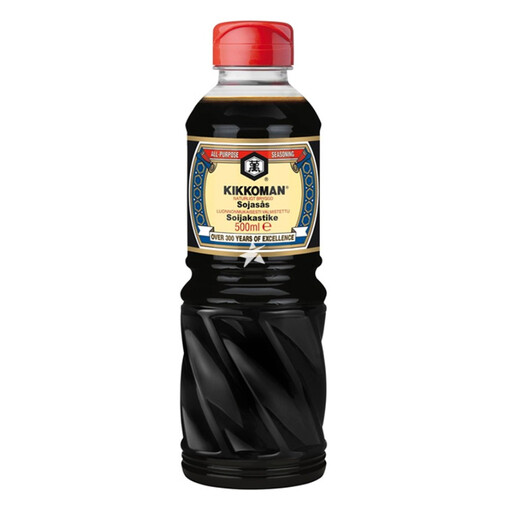
Why we chose it: For cooks in search of the complex and authentic umami flavour of a true Japanese soy sauce. Kikkoman is the global benchmark for its natural fermentation method and consistent quality.
Naturally brewed with only four ingredients (soybeans, wheat, water, salt), it's guaranteed to be free from additives, colourings, or artificial flavours. The promise of an authentic taste.
A rich, balanced flavour that enhances dishes without overpowering them. Perfect for a soy sauce marinade or to accompany sushi.
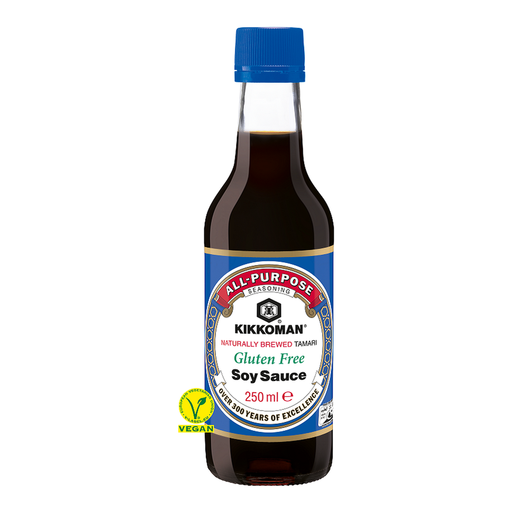
Why we chose it: The solution for those on a gluten-free diet who refuse to compromise on taste. This tamari delivers a rich, complex umami flavour with the added bonus of a gluten-free certification.
It meets a clear need: a gluten-free soy sauce. The official certification eliminates any risk of confusion and guarantees its composition.
A rich taste and velvety texture, perfect for both cooking and finishing—all without wheat.
Discover our full selection of products that meet our quality standards and current regulations.
To preserve its freshness and complex aromas, store your bottle in the refrigerator once opened. Be sure to close the cap tightly to protect it from oxidation.
In theory, yes. Traditional tamari is brewed without wheat. However, modern production methods can vary. To be absolutely sure, the rule of thumb is simple: check for the "gluten-free" logo or mention on the packaging.
Any type can work, but the result will differ. A light soy sauce is often ideal for a soy sauce marinade: its thin consistency allows it to penetrate food well without adding too much colour. A dark soy sauce, on the other hand, will impart a more intense colour and a sweeter, more caramelised flavour, perfect for red meats or lacquered pork.