
Livraison le jour même ou le lendemain

Qualité garantie

Débloquez vos offres de bienvenue: Livraison GRATUITE | Jusqu'à -80 % | 30 jours d'essai gratuits à JoyPlus
Téléchargez l'application
Asian sauces can transform a stir-fry, noodles, spring rolls or a marinade with just a few spoonfuls. But buying online can come with a few surprises: a sauce that is too sweet for the intended use, an oversized bottle or an allergen list that does not fit your family’s needs.
Before filling your cupboards with soy sauce, chilli sauce and other Asian condiments, take the time to check three things: the role of the sauce, its ingredients and its storage requirements.
Light soy sauce is mainly used to enhance a stir-fry, marinade or stock. A spring roll dipping sauce, on the other hand, is generally ready to serve and balances sweet, tangy and spicy flavours. Replacing one with the other can therefore change the result completely.
Oyster sauce, yakitori sauce and sukiyaki sauce also have different uses. They can coat, caramelise or add depth to a dish, but they are not used in the same quantities as a standard soy sauce.
Descriptions such as “rich in umami”, “traditional recipe” or “authentic flavour” are not enough to distinguish between two products. It is better to look at the concrete details:
For example, Healthy Boy light soy sauce contains 25% defatted soy and 22.6 g of salt per 100 ml. It should therefore be used sparingly, even in a large stir-fry.
A 907 g bottle can be a practical choice for a large family, a keen stir-fry enthusiast or a catering professional. However, it will be less convenient if you only cook Asian food once a month. Conversely, a 200 ml bottle lets you try yakitori sauce without leaving it in the fridge for months.
Always check the instructions on the label: some sauces need to be refrigerated after opening, while others should be used quickly or immediately after preparation.
Sweet chilli sauce often contains a lot of sugar. Thai Dancer Sweet Chilli Sauce, for example, contains 52.2 g of sugar per 100 g and 3.23 g of salt. It is therefore better enjoyed as an accompaniment or glaze than poured generously over a dish as a seasoning.
MONT ASIE sriracha sauce contains 55% red chilli and 5% garlic, with 7.8 g of salt per 100 g. It can add flavour to a bowl of noodles, a soup or a marinade, but just a few drops may be enough for those who are sensitive to chilli.
Soy and wheat are ingredients in many soy sauces, Japanese sauces and oyster sauces. Squid fish sauce contains fish, while LEE KUM KEE Panda Brand oyster sauce in the 907 g format contains shellfish and soy.
To store your bottle correctly, follow the manufacturer’s instructions. An opened sauce may need to be refrigerated, particularly if it is sweet soy sauce, spring roll dipping sauce or fish sauce. Also remember to check the best-before date on the packaging you receive.
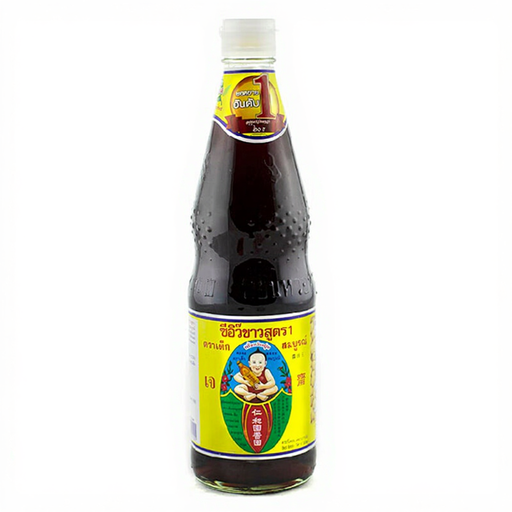
Why this choice suits this profile : At 700 ml, this sauce is suitable for your first stir-fries, marinades and dipping sauces. A versatile size for everyday cooking.
The product details specify its ingredients, allergens and high salt content. This makes it easier to adjust the quantity rather than pouring in the sauce at random.
25% defatted soy, a 700 ml bottle, a vegetarian description and a format suited to marinades, stir-fries and dipping sauces.
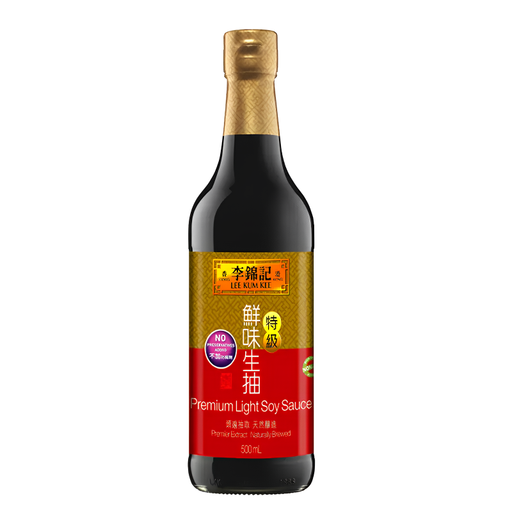
Why this choice suits this profile : This light soy sauce is designed for those looking for a product dedicated to Chinese cooking, marinades and serving at the table.
The ingredients list includes soy, wheat and salt. At 500 ml, the bottle also reduces the risk of keeping the sauce for too long.
Defatted soy, wheat and yeast extract are among the listed ingredients, with 8 g of protein and 18 g of salt per 100 ml.
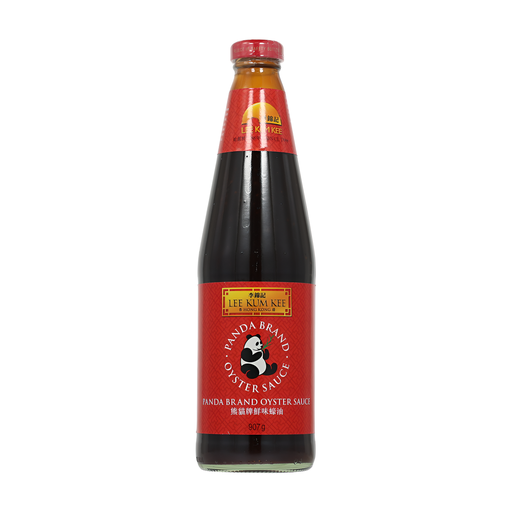
Why this choice suits this profile : Its large size is ideal for regular stir-fries, noodle dishes, marinated meats and meals to share.
This is an oyster sauce containing oyster extracts and soy, not an all-purpose sauce to use without considering allergens.
907 g, a ready-to-use sauce suitable for cooking or serving, with 9.1 g of salt per 100 g.
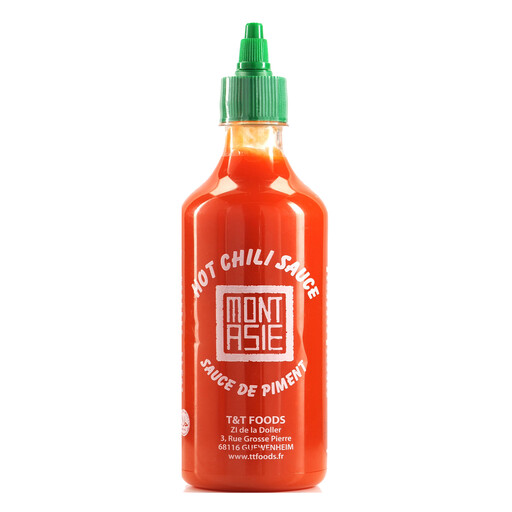
Why this choice suits this profile : Its medium size lets everyone add heat to their own portion of noodles, burgers, rice or fusion dishes, according to their taste.
The stated proportions — 55% red chilli and 5% garlic — give you a clear idea of the flavour profile and level of heat.
455 ml, suitable for cooking or serving as a dipping sauce, with a thick texture and possible traces of gluten, peanuts, fish, sesame and soy.
We have put together a complete, real-time updated selection of products that meet these purchasing criteria and European regulatory requirements for safety.
To cover several recipes without cramming your cupboards with bottles, start with a light soy sauce, a chilli sauce and a dipping sauce. You can then add oyster sauce for stir-fries, yakitori sauce for Japanese-style grilling or fish sauce for Thai and Vietnamese recipes.
Spring roll dipping sauce also goes very well with fresh spring rolls, fried chicken and vermicelli salads. For slow-cooked dishes, sukiyaki sauce or a Vietnamese braising sauce already provides a sweet and savoury base, so taste the dish before adding salt.
Light soy sauce is generally the most versatile choice for stir-fries, marinades, rice and vegetables. If you enjoy sweet and spicy sauces served on the side, add sweet chilli sauce or spring roll dipping sauce.
It depends on the product. Many bottles need to be refrigerated after opening. Always check the label, close the bottle securely and follow the storage period recommended by the manufacturer.
Sriracha sauce generally focuses on chilli and garlic, with a more pronounced heat. Sweet chilli sauce has a sweeter, lightly vinegary flavour and is milder on the palate. The right choice depends on the dish and the amount of heat you want.