
Livraison le jour même ou le lendemain

Qualité garantie

Débloquez vos offres de bienvenue: Livraison GRATUITE | Jusqu'à -80 % | 30 jours d'essai gratuits à JoyPlus
Téléchargez l'application
That bathroom sealant that turns black just a few months after application? It's a frustration every DIY enthusiast knows. To keep your seals looking flawless in damp areas like the kitchen or bathroom, choosing the right anti-mould silicone sealant is crucial. But with shelves full of promises, it's easy to make a mistake. This guide breaks down the common pitfalls and helps you choose the product that's truly right for your project.
Before you head to the checkout, watch out for these common mistakes that can ruin the waterproofing and aesthetic of your work.
To make the right choice, focus on these three parameters. They are what truly make the difference in the performance of a waterproof kitchen sealant or a bathroom silicone seal.
This is the most important technical point to check.
A good antifungal sealant doesn't just resist water; it contains active agents that block the growth of mould spores. The reinforced formulas found in leading brands guarantee long-lasting protection. For resealing a shower, this is a non-negotiable criterion.
The product format should be suited to the size of your project.
Here are a few products that meet specific needs, ticking all the boxes for our performance and ease-of-use criteria.
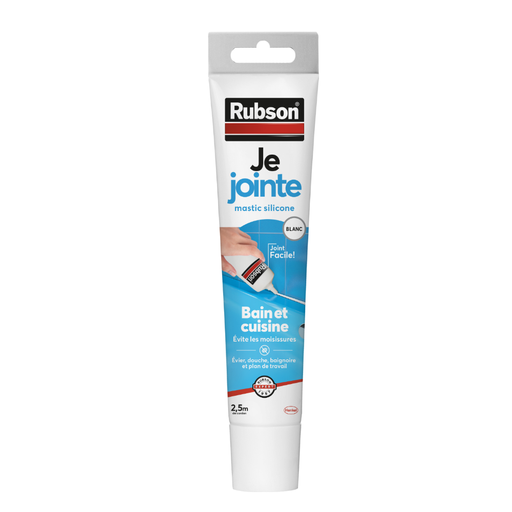
Why we chose it: Perfect for renters or for a quick repair on a seal that's starting to crack around a sink. Its compact size prevents waste and the headache of storing a large cartridge.
It bypasses the pitfall of a complicated application. No gun needed; application is done directly from the tube for precise control and a clean result.
Ready to use and incredibly simple, even for beginners. Excellent adhesion on the most common sanitary materials like ceramic and enamel.
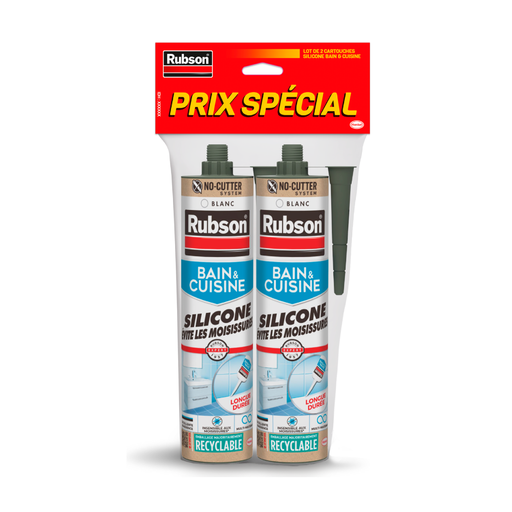
Why we chose it: The perfect solution for a full bathroom or kitchen renovation. The two-cartridge pack ensures you have enough product for all your seals (shower, bath, sink, worktop) with a consistent finish.
It avoids the false "anti-mould" promise thanks to its formula reinforced with fungicides, designed for long-lasting protection. The "No Cutter" system also makes application much easier.
A complete and reliable solution for major projects. The white sanitary silicone provides a classic, flawless finish, and its formula is designed to withstand daily wear and tear.
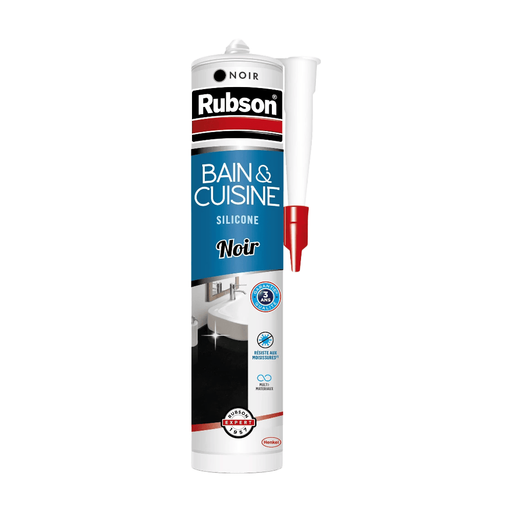
Why we chose it: For those who want to move beyond classic white with a bold, modern finish. This black sealant is perfect with black taps, an industrial-style shower screen, or a dark worktop.
It avoids the incompatibility pitfall by being very clear: the product sheet specifies that it is an acetic silicone, not suitable for synthetic materials. This guides the user towards the correct application for perfect adhesion.
It combines effective antifungal protection with an intense black colour for a stylish, polished look. The "No Cutter" system is also included to simplify application.
Discover our full selection of products that meet our quality criteria and current standards.
The lifespan of a quality seal generally varies between 5 and 10 years. This longevity depends on several factors: the quality of the sealant, proper surface preparation, the room's ventilation, and regular cleaning (with mild, non-abrasive products).
Absolutely not; this is a mistake you should never make. To ensure perfect adhesion and effective antifungal protection, it is essential to completely remove the old seal. Use a utility knife and a special silicone remover, then clean and degrease the surface before applying the new product.
Acetic silicone is perfect for non-porous surfaces like ceramic and glass. It releases a strong vinegar smell and is not compatible with synthetic materials. Neutral silicone, on the other hand, is more versatile, virtually odourless, and compatible with most materials, including acrylic and PVC. It's the safe choice when in doubt.