
Livraison le jour même ou le lendemain

Qualité garantie

Débloquez vos offres de bienvenue: Livraison GRATUITE | Jusqu'à -80 % | 30 jours d'essai gratuits à JoyPlus
Téléchargez l'application
A silicone seal that's turning black, cracking, or peeling away? It's a familiar nightmare in our bathrooms and kitchens. More than just an aesthetic issue, a failing seal can lead to water infiltration and much more significant damage. Yet, choosing the right bathroom silicone sealant can feel like an uphill battle when faced with packaging that promises the world. Before you start, it's best to know the few common pitfalls that turn a good intention into a wasted purchase.
To guarantee a perfect waterproof seal and a flawless finish, three technical criteria must be closely monitored. Mastering them will save you a lot of disappointment and the chore of starting all over again.
Sanitary silicone comes in two main families, each with its own area of expertise.
The sealant's composition determines its durability. A good anti-mould silicone sealant is formulated with fungicidal agents that actively block the growth of microorganisms. Make sure this is mentioned on the packaging for the most humid areas. The colour (white, transparent, black, etc.) is more than just an aesthetic detail: it should harmonise with your sanitaryware and tiles for a discreet, professional finish.
The format should be chosen based on the scale of the job.
Rather than an endless list, we've selected products that meet specific needs. The goal: to help you find the perfect solution for your project.
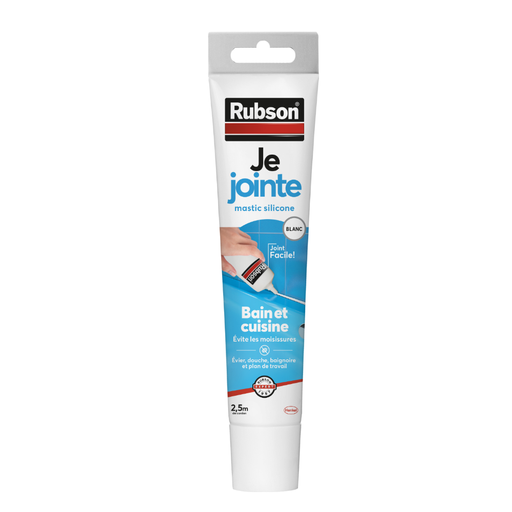
Why we chose it: Perfect for a quick, targeted repair, like a sink seal or a small crack. Its ready-to-use formula means you don't have to break out the toolbox.
This tube format saves you from buying a caulking gun for a one-off job, while ensuring an easy and immediate application.
Direct application without a gun; waterproof and anti-mould formula designed for sanitary use.
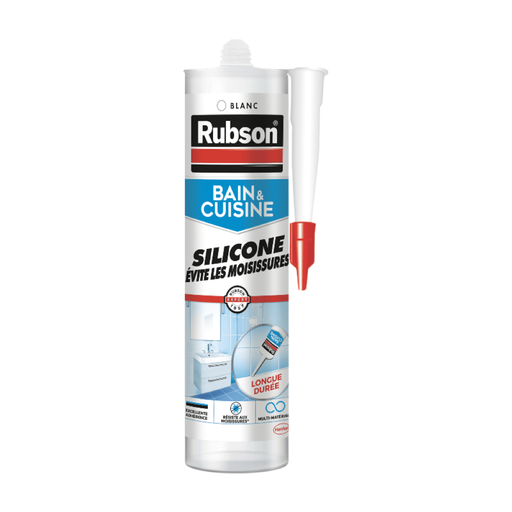
Why we chose it: The perfect solution for complete renovation projects. The cartridge format is the most economical and provides enough product to reseal all the joints in a bathroom or kitchen.
This cartridge format offers unbeatable value for money compared to small tubes, making it far more cost-effective for large areas.
Formula reinforced with fungicides; "No Cutter" system for easy opening; excellent adhesion on classic sanitary surfaces.
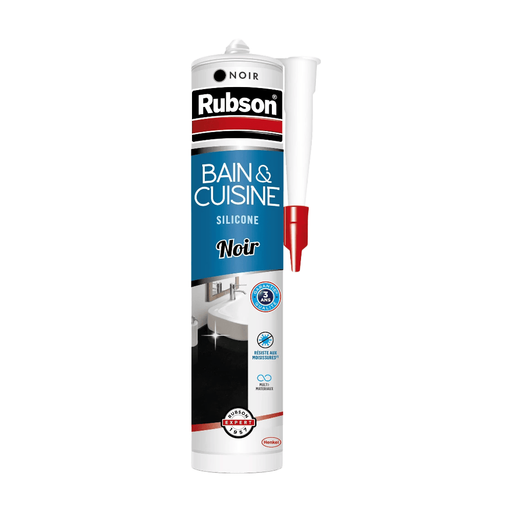
Why we chose it: For those who see the seal as a design feature in its own right. Its intense black colour is the perfect match for contemporary taps, dark shower screens, or graphic tiles.
It avoids the design faux pas of a white or transparent seal that would break the harmony of a sleek, well-designed bathroom.
Coloured finish for a polished look; retains all the waterproofing and anti-mould properties of a premium sanitary silicone.
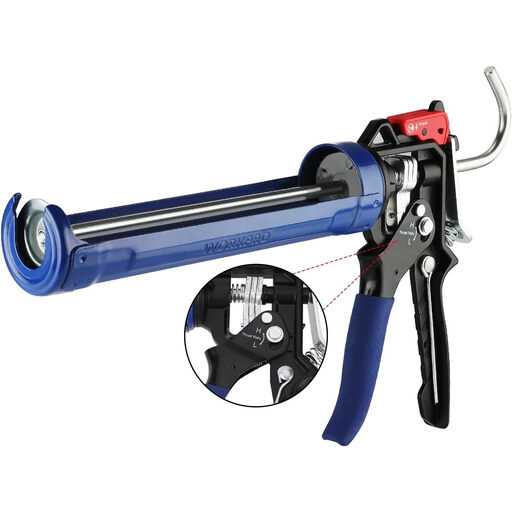
Why we chose it: This is the essential accessory for anyone using cartridges. A good gun is a game-changer: application is easier, cleaner, and far less tiring.
A low-end gun can turn application into a nightmare with a jerky, inconsistent flow. This model allows you to adjust the thrust for perfect control.
Adjustable thrust ratio (18:1 or 9:1); 360° rotating body for tricky corners; anti-drip system.
Explore our full selection of products that meet our quality criteria and current standards.
Under normal conditions, a high-quality silicone seal that has been correctly applied will last for 5 to 10 years. Its longevity depends on several factors: the room's ventilation, how often it's cleaned, and its exposure to water. Regular cleaning with mild products is the key to extending its life and the effectiveness of its anti-mould formula.
To reseal a shower properly, it is essential to completely remove the old sealant. Use a utility knife or a specific removal tool to cut away the bulk of the seal. Then, remove the last residues with a blade or a suitable scraper. Finally, clean and degrease the surface with methylated spirits or a silicone remover to ensure the new seal adheres perfectly. The surface must be spotless and completely dry before applying the new sealant.
No, the vast majority of silicone sealants, especially acetic formulas, cannot be painted. The paint will not adhere to their smooth, flexible surface and will peel off in no time. If you need to paint over a seal, you must choose a specific "paintable" sealant, which is usually acrylic or hybrid polymer-based. Be sure to check for this on the packaging before you buy.