
Livraison le jour même ou le lendemain

Qualité garantie

Débloquez vos offres de bienvenue: Livraison GRATUITE | Jusqu'à -80 % | 30 jours d'essai gratuits à JoyPlus
Téléchargez l'application
An icy draft seeping under the door, a soaring heating bill, hallway noise invading your living room… These common household annoyances often have a simple cause: a gap under a poorly insulated door. The adhesive door bottom is the quickest and most cost-effective solution. Be careful, though—not all models are created equal, and the wrong choice can quickly become a headache.
Before you get started, here are two mistakes to avoid?:
This guide is here to help you sort through the options and choose the right product for effective and long-lasting door insulation.
To block a draft once and for all, two points must be examined closely. The effectiveness and lifespan of your installation depend on them.
This is the number one criterion. The effectiveness of your door bottom seal completely depends on it.
The material plays a key role in thermal insulation and noise reduction.
Most models are adhesive for an easy, drill-free installation. For high-traffic doorways or harsher conditions (humidity, temperature changes), a screw-in mount guarantees an impeccable long-term hold.
No endless catalogue here. We've selected three products that check all the boxes for specific needs, focusing on performance and durability.
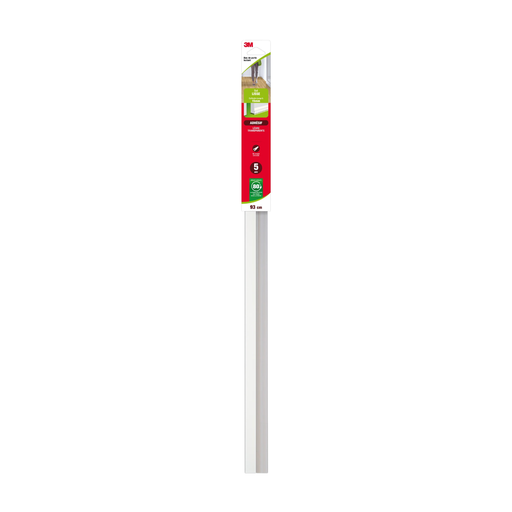
Why we chose it : Ideal for those looking for a "set it and forget it" solution on a smooth floor (parquet, lino). Installation takes two minutes flat, with no tools required. It's the express, hassle-free solution to end a draft under an interior door.
This model is specifically designed for smooth floors, which eliminates any risk of incompatibility. Its flexible lip ensures a discreet and effective seal without creating extra bulk that could get in the way.
Ultra-fast installation thanks to its strong adhesive. It can be easily cut to size (with a simple hacksaw) to perfectly fit the width of your door.
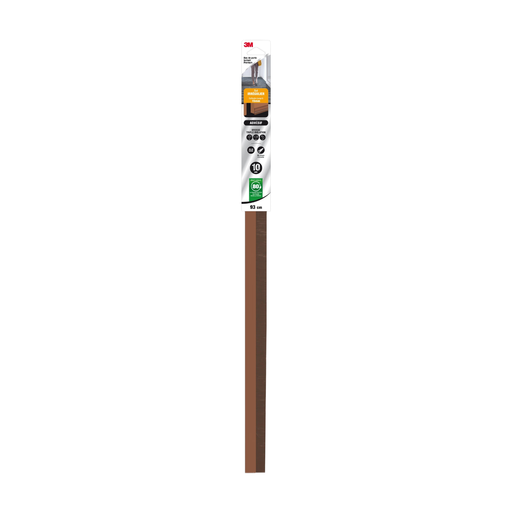
Why we chose it : The perfect solution if you have an uneven floor like tile or terracotta. Where a standard door bottom leaves gaps, this model is a game-changer. It's designed to hug the slightest imperfections in the floor and guarantee a flawless seal.
It avoids the incompatibility trap thanks to its double row of brushes and thin membrane. This design allows it to follow the floor's contours and fill gaps, even over tile grout lines.
It offers triple protection : air, noise, and water. 3M's promise : up to 80 % reduction in air infiltration and an estimated 10-year lifespan under normal use.
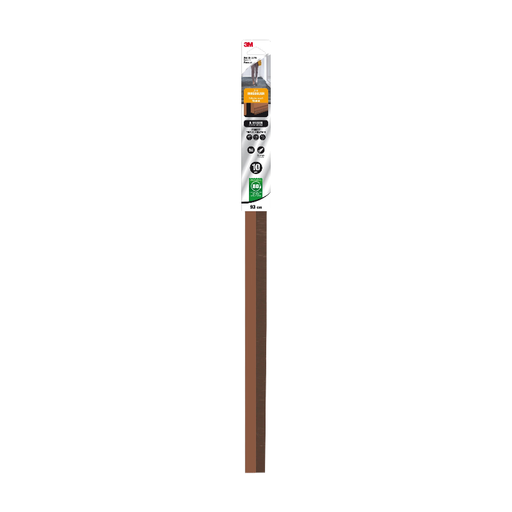
Why we chose it : For those who prioritise robustness above all, especially for a high-traffic front door or service door. The screw-in mount ensures a foolproof hold where an adhesive would eventually show its limits.
No more worrying about the adhesive failing! The mechanical fastening guarantees the door bottom won't budge an inch, even with repeated friction and thermal shocks.
The combination of a brush and a thin membrane ensures optimal insulation on uneven floors. Its design is engineered for over 10 years of effectiveness, making it a long-term investment.
Discover our complete selection of sealing products, all validated by our experts against strict performance and durability criteria.
It's all in the preparation. The door surface must be perfectly clean, dry, and degreased (using rubbing alcohol, for example). Measure and cut the door bottom to the correct size before removing the adhesive's protective film. Apply it straight, starting from one end, then press firmly along the entire length for a perfect bond. Let it set for a few hours before using the door.
It all depends on the quality of the adhesive, the frequency of use, and exposure to moisture or temperature changes. A high-quality model, installed correctly, can last for several years. Leading brands like 3M state lifespans of 5 to 10 years for their premium products under normal use conditions.
Absolutely. A good noise-blocking door bottom can significantly reduce noise pollution. By filling the gap under the door, it effectively creates a barrier to sound waves. Models with dense brushes, foam, or silicone are much more effective acoustically than a simple PVC lip.