
Livraison le jour même ou le lendemain

Qualité garantie

Débloquez vos offres de bienvenue: Livraison GRATUITE | Jusqu'à -80 % | 30 jours d'essai gratuits à JoyPlus
Téléchargez l'application
White beer has become the star of happy hours and patios. Loved for its refreshing taste and delicate aromas, it's winning over an ever-growing audience. But with an overwhelming number of options available, disappointment is never far off. Between vague marketing terms and wildly different styles, finding the bottle or pack that truly meets your expectations can be a real headache.
Our mission? To help you see things more clearly. Let's cut through the marketing jargon and focus on what really matters to guide you toward an informed choice. Here are the mistakes to avoid and the criteria that truly count.
Before you fill your cart, watch out for these three common mistakes that can ruin your tasting experience:
To find the white beer that's perfect for you, here are the three key points to consider.
This is the starting point. You can't make a good choice without understanding this fundamental difference.
A white beer's character is defined by its aromas. It's up to you to pick your preference.
The French brewing scene is booming. Many local breweries produce excellent French white beers. Choosing a local product is often a guarantee of freshness and originality.
On the practical side, for drinks with friends or just to always have a bottle on hand, a white beer pack (usually 6 x 25 cl or 33 cl) remains the most budget-friendly option. You'll never be caught unprepared.
To put theory into practice, here are a few reliable choices that cater to different tasting profiles.
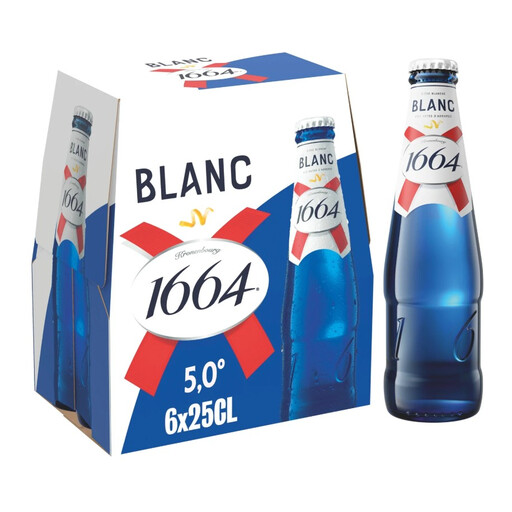
Why we chose it: It's the ultimate reliable choice. Refreshing and easy to find, it's the perfect happy hour white beer that pleases everyone, without a single misstep.
It embodies the French-style Witbier: accessible and no-fuss. There's no room for confusion: its citrus and coriander notes are present but subtle, making it an ideal gateway into the world of white beers.
Its perfect balance of freshness and smoothness, with almost no bitterness. Its pack format is as convenient as it is economical.
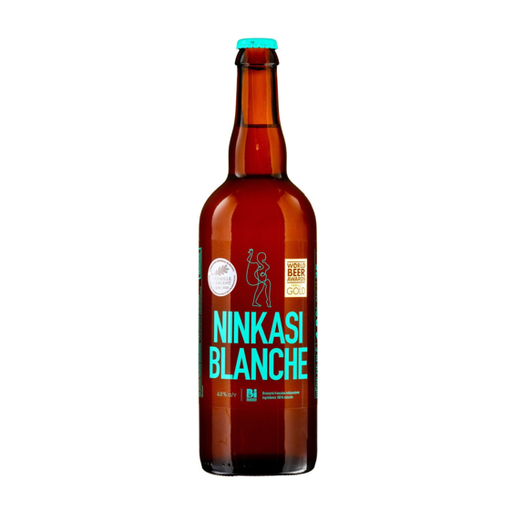
Why we chose it: For those who want to go off the beaten path with a characterful French white beer. A beautiful bridge between tradition and modernity.
It fully embraces its status as a craft white beer with a complex yet perfectly mastered aroma profile. Its strong suit? The stunning balance between yeast notes (banana) and hop notes (white fruit).
The use of American hops (Amarillo and Citra) gives it a unique touch of white fruit, while preserving the velvety texture typical of a wheat beer.
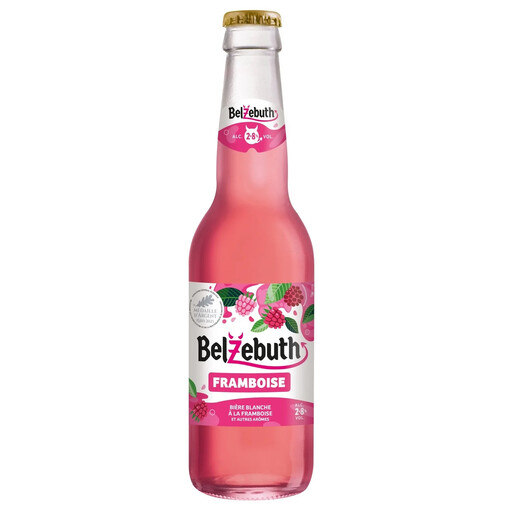
Why we chose it: Perfect for fans of light, indulgent, and ultra-refreshing drinks. It's the ideal alternative to classic white beers for sunny afternoons.
It fully embraces its identity as a fruity white beer. The raspberry aroma, natural and intense without being overpowering, pairs wonderfully with the tart backbone of the wheat beer.
Its very low alcohol content (2.8%) makes it an incredibly thirst-quenching and easy-to-drink beverage, without sacrificing flavour.
Explore our complete selection of white beers, rigorously chosen for their quality and adherence to style.
Absolutely none. "White beer" and "wheat beer" (or froment beer) are two synonyms. They refer to a beer brewed with a significant portion of wheat (usually 30% to 50%), which gives it its characteristic cloudy and milky appearance before filtration.
For an optimal tasting experience, serve it chilled but not ice-cold, ideally between 4 and 7°C. Use a tall, wide-mouthed glass that allows the head to develop and the aromas to be released. Pour slowly while tilting the glass, then straighten it at the end to create a beautiful foam head. The pro tip for unfiltered beers: gently roll the bottle on its side before pouring the last third. This resuspends the yeast and proteins, ensuring maximum flavour.
Alcohol abuse is dangerous for your health, please drink responsibly. The sale of alcohol to minors is prohibited.