
Livraison le jour même ou le lendemain

Qualité garantie

Débloquez vos offres de bienvenue: Livraison GRATUITE | Jusqu'à -80 % | 30 jours d'essai gratuits à JoyPlus
Téléchargez l'application
The shelves are overflowing with flavored beers that promise a refreshing and original alternative to classic brews. Among them, the Belzebuth Violette beer stands out with its unique color and promise of sweetness. But navigating the jungle of fruity and floral beers can quickly become a headache. As a result, many enthusiasts end up disappointed by a drink that doesn't live up to its hype. We'll explain how to avoid the most common pitfalls.
To make the right choice, you can't rely on the label alone. Understanding a few key criteria will help you find the hidden gem that truly matches your tastes.
Before you check out, take a minute to verify three points that shape the entire tasting experience.
Not all flavored beers are created equal. The type of beer used as the base—wheat, lager, amber—radically influences the final result.
For a light and floral beer, a wheat beer base is therefore often a safe bet, promising smoothness and a well-rounded body.
The mention of "violet flavor" can hide many things. The flavoring method is crucial for obtaining an authentic violet candy taste rather than a chemical one. Brewers can use:
The Alcohol by Volume (ABV) is an indicator that should not be overlooked. A beer designed to be refreshing and indulgent, like the Goudale violette beer (Belzebuth is brewed by Goudale), often has a moderate ABV.
A low ABV (around 2.8% for Belzebuth Violette) is a sign of a light, easy-to-drink beverage that won't go to your head. It's the perfect choice for a summer aperitif or for those who prioritize taste over potency.
To help you see more clearly, here is our selection of flavored beers, matched with different types of beer lovers.
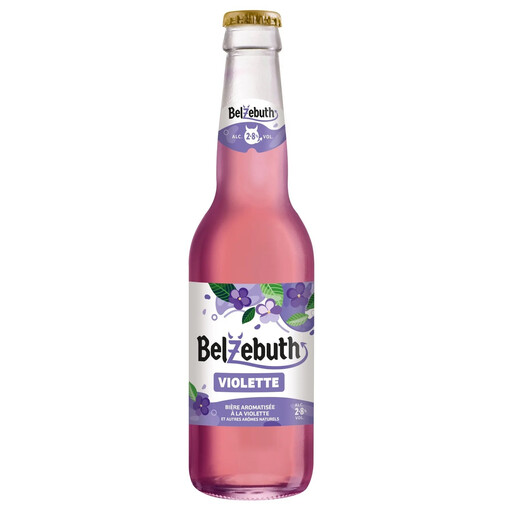
Why we chose it: Ideal for those seeking a drink with very little bitterness, a pronounced floral aroma, and the nostalgic sweetness of old-fashioned candies. Perfect for a light and original aperitif.
Built on a wheat beer base for smoothness, it uses a violet flower essence for an authentic aroma and has an ABV of only 2.8%. This allows it to sidestep the pitfalls of bitterness and high alcohol content.
The perfect balance between the sweetness of the wheat beer and the intense violet aroma. A unique and very approachable tasting experience.
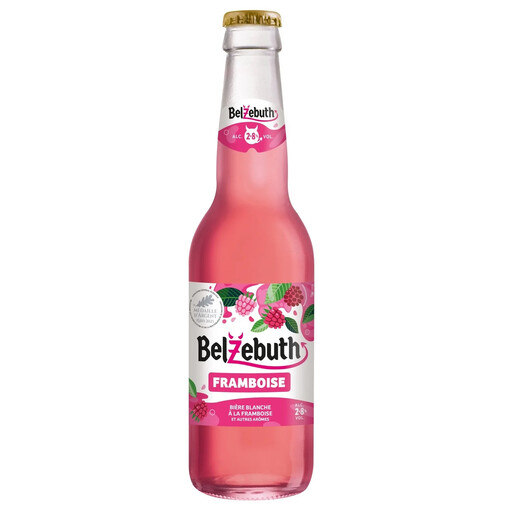
Why we chose it: For those who like the idea of a light, low-bitterness beer but prefer the crisp, tart flavor of red fruit over the more singular aroma of violet.
It follows the same winning formula: a wheat beer base, a distinct natural raspberry flavor, and an ABV of 2.8%. This guarantees a fruity and refreshing experience, free from chemical tastes or unwanted bitterness.
An intense and very recognizable raspberry taste that pairs perfectly with the smoothness of the white beer. A drink that is as indulgent as it is thirst-quenching.
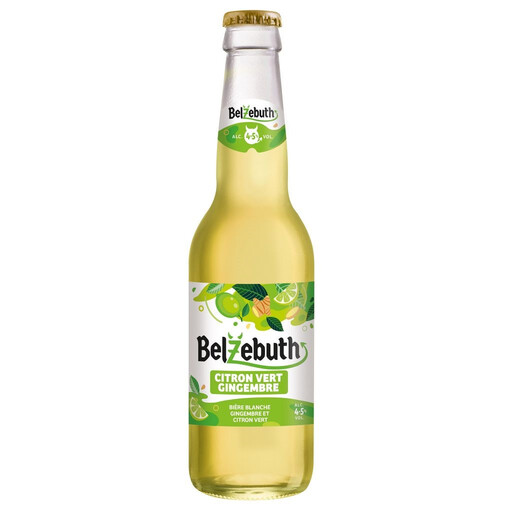
Why we chose it: For those looking for freshness and originality, but with more zest and less sugar. The combination of spicy ginger and tart lime offers a more "grown-up" alternative to purely nostalgic flavors.
It avoids the overly sweet trap by focusing on the spiciness of ginger and the acidity of lime. Its ABV of 4.5% remains moderate, offering an excellent compromise between lightness and character.
An intense and complex freshness, achieved by infusing real ginger roots and lime peels. A drink with character that is still incredibly thirst-quenching.
We have put together a complete selection of products that meet our selection criteria and current regulations.
1. At what temperature should Belzebuth Violette be served? For an optimal tasting experience, serve it well chilled, at a temperature between 6 and 8°C. According to the brewer, this is the ideal temperature to preserve the delicacy of its floral aromas without numbing them with excessive cold.
2. Is the violet beer very sweet? It has a distinct sweetness reminiscent of violet candy, which is its main appeal for an audience that isn't fond of bitterness. However, this sweetness is counterbalanced by the slight acidity of the wheat beer. We would therefore describe it as "indulgent" rather than "syrupy."
3. Can violet beer be used in cocktails? Absolutely. Its unique aromatic profile, lightness, and low alcohol content make it a very interesting base for creative cocktails. For example, it can be used to top up a gin or a white vermouth for a unique floral spritz, or simply be enhanced with a splash of lemon juice to bring out its freshness.
Alcohol abuse is dangerous for your health. Please drink responsibly. The sale of alcohol to minors is prohibited. Pregnant women are advised not to consume alcohol.