
Livraison le jour même ou le lendemain

Qualité garantie

Débloquez vos offres de bienvenue: Livraison GRATUITE | Jusqu'à -80 % | 30 jours d'essai gratuits à JoyPlus
Téléchargez l'application
With its cloudy appearance and delicate aromas, white beer has become the star of happy hours and sunny days. But this simple name hides an incredible diversity: from spicy Belgian witbier and German Weissbier with notes of banana to the bold creations of microbreweries, it can be hard to choose. Don't worry, this guide is here to help you navigate the options and find the perfect bottle to elevate your moments of relaxation.
By the editors
Before you check out, here are a few simple tips to help you find the perfect bottle, without the overwhelming jargon.
Although they are both called "white beers," they fall into two main families with distinctly different profiles:
Identifying the style that appeals to you is the first step to making the right choice.
The character of a fruity white beer or a spicy one comes down to its recipe. A quick look at the label will tell you a lot:
The origin is often a good indicator of style. A Belgian white beer will almost always follow the Witbier tradition, focusing on freshness and citrus. A French white beer, on the other hand, might follow this lineage or reinterpret it in a more modern way, especially if it's a craft white beer. Don't hesitate to explore local breweries—that's often where the best surprises are found.
To put theory into practice, here are three white beers with very different profiles. There's something for every palate!
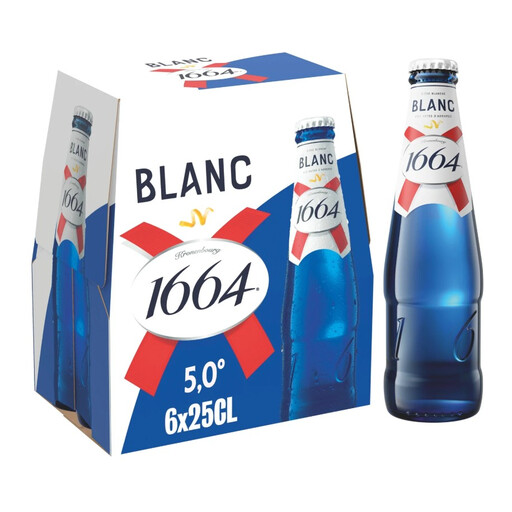
Why it stands out: 1664 Blanche is a true institution in France. Brewed in Alsace, it embodies a very approachable and crowd-pleasing version of white beer, with a distinct touch of citrus that makes it especially thirst-quenching.
Who is it for? This is a reliable choice for anyone new to white beer or for a light, hassle-free aperitif. It pairs very well with seafood, salads, or light dishes.
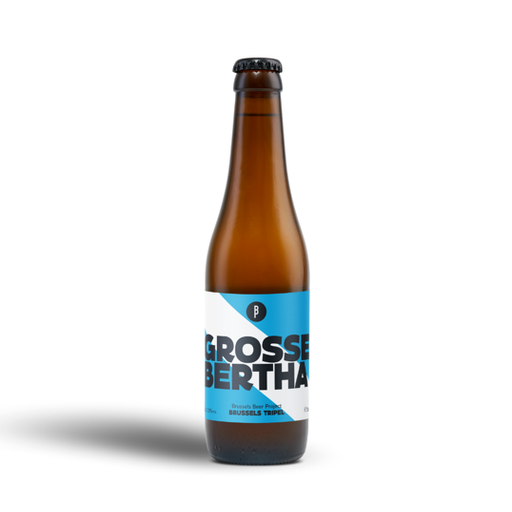
Why it stands out: Tripel Bertha from the Brussels Beer Project (BBP) shakes up the category. This isn't just a simple witbier, but a "White Tripel," combining the freshness of a white beer with the strength and complexity of a Belgian Tripel.
Who is it for? It will delight fans of characterful beers and Belgian Tripels. If you're looking for a craft white beer that's off the beaten path for a more contemplative tasting session, Tripel Bertha is a gem worth discovering.
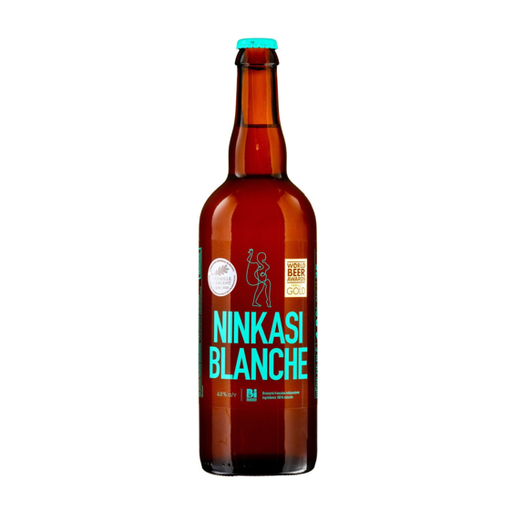
Why it stands out: The Lyon-based brewery Ninkasi offers a French white beer that bridges the gap between Belgian and German traditions and the expertise of the craft movement. The use of American hops gives it a unique aromatic signature.
Who is it for? Perfect for the curious drinker looking to explore a modern take on white beer. Its lightness and fruity profile make it an excellent partner for poultry dishes, fresh goat cheese, or lightly spiced world cuisine.
Our selection is just a taste of the vast world of white beer. To discover other options, from timeless classics to the latest craft creations, explore our full collection.
Discover Our Entire White Beer Collection
The main difference lies in the grains used. A blonde ale is brewed almost exclusively with barley malt. A white beer, or wheat beer, must contain a significant percentage of wheat (malted or unmalted), usually at least 30%. It's this protein-rich wheat that gives it its characteristic hazy appearance and softer texture.
To fully appreciate its aromas, a white beer should be served chilled, ideally between 4 and 7°C (39-45°F). Use a tall, wide-mouthed glass. Pour slowly with the glass tilted, then straighten it at the end to create a nice head of foam. For unfiltered beers with yeast sediment at the bottom, you can gently roll the bottle before pouring the last third to mix in the yeast and enhance the cloudiness.
Thanks to its freshness and often tart profile, white beer is very versatile. It's excellent as an aperitif, on its own or with tapas. It pairs wonderfully with: