Joybuy Insights

Waterproof Mattress Protector Buying Guide: 3 Pitfalls to Avoid

A good mattress is a significant investment in your comfort and health. It's only natural to want to protect it from everyday spills, perspiration, and allergens. Yet, choosing a waterproof mattress protector often becomes a headache due to misleading marketing claims. A poor choice can not only be ineffective but also ruin the quality of your sleep.

As a product expert at Joybuy, my mission is to help you see things more clearly. Let's break down the most common pitfalls and the essential criteria for making the right choice, without falling for marketing hype.

The 3 Mistakes That Make a Mattress Protector Unusable

Before you even start comparing models, it's crucial to know these deal-breakers that can turn a good idea into a purchase you'll regret.

  1. The "Plastic Sheet" Effect Trap: Many entry-level models are waterproof thanks to a simple layer of PVC or vinyl. The problem? While this barrier blocks liquids, it also blocks air. The result: excessive heat, increased night sweats, and that unpleasant feeling of sleeping on a plastic tarp. It's enough to negate all the comfort of your mattress.
  2. Crinkling Noises with Every Movement: Another scourge of low-end protectors is the crackling or crinkling sound they make. This noise, often underestimated at the time of purchase, can quickly become a source of annoyance and disrupt the sleep of sensitive individuals.
  3. A Poor and Unreliable Fit: A mattress protector that slips or comes undone during the night is useless. "Anchor-band" style models, with their simple elastic straps at the four corners, can quickly lose their elasticity or fail to fit the mattress thickness properly. The result: the edges, and sometimes even part of the surface, are left exposed.

Criteria to Check Before You Buy

To avoid these issues, focus on three key points that make all the difference in quality and comfort.

1. The Perfect Balance Between Waterproofing and Breathability

Technology has made huge strides. Today, effective protection no longer has to sacrifice comfort. It all comes down to the membrane.

  • The Polyurethane (PU) Membrane: This is THE gold standard for a breathable mattress protector. Its microporous structure blocks larger liquid molecules but allows smaller water vapour molecules to pass through. In practical terms? Your mattress is safe from stains, but air can still circulate, wicking away body moisture and preventing that damp, clammy feeling.
  • The PVC Membrane: Avoid this if possible. It's completely waterproof, which means it's not breathable at all and causes the infamous "plastic sheet" effect mentioned earlier.

2. The Format: Anchor-Band or Fitted Sheet?

The fastening system is crucial for effective protection and practical daily use.

  • The Anchor-Band Style: This is a simple pad placed on the mattress, held in place by four elastic straps at the corners. While easy and quick to install, this solution only protects the top surface and tends to shift.
  • The Fitted Sheet Style: This type of waterproof fitted sheet envelops the top and sides of the mattress, just like a standard fitted sheet. It guarantees a perfect hold and much more comprehensive protection. A crucial point: check the pocket depth (the height of the sides) to ensure it matches the thickness of your mattress. A pocket depth of 25 to 30 cm is suitable for most modern mattresses.

3. Surface Material and Care

The material that comes into contact with your skin directly affects comfort.

  • The Surface: Surfaces made of cotton (especially terry cloth) are soft and highly absorbent. Microfibre and polyester are also common, valued for their durability and quick-drying properties.
  • Care and Maintenance: A good mattress protector must, of course, be machine washable. For impeccable hygiene, especially for those with dust mite allergies, opt for models that can be washed at 60°C. This is the ideal temperature to eradicate allergens and bacteria.

Recommended Mattress Protector Picks

To help you choose, here are a few models that meet specific needs, all selected based on the quality criteria we've just discussed.
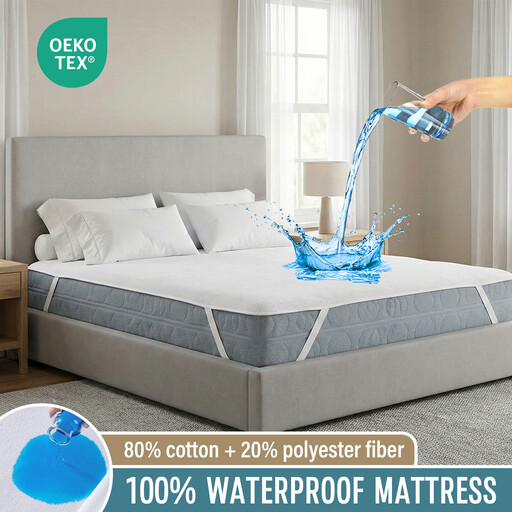
IDEAL FOR: FAMILIES AND EVERYDAY USE
LeBonsoir 80% Cotton Waterproof Mattress Protector

LeBonsoir Waterproof Mattress Protector, 80% Cotton, 140 x 200 cm

The Verdict: Ideal for children's beds or heavy use. Its elastic strap attachment is very practical for frequent changes, and the cotton/polyester blend offers an excellent balance of softness and durability.

How It Beats the Trap

Its TPU film membrane ensures it's waterproof without blocking airflow, which prevents overheating. It is designed to be completely silent ("crinkle-free").

The Key Feature

Machine washable up to 60°C for perfect hygiene—a non-negotiable feature for families.
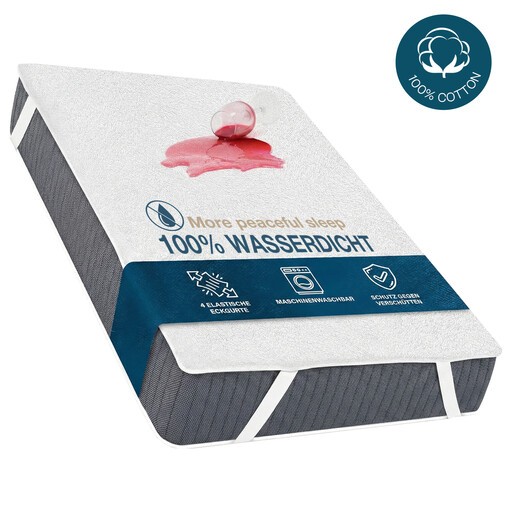
IDEAL FOR: FANS OF NATURAL COMFORT
LeBonsoir 100% Cotton Waterproof Mattress Protector

LeBonsoir Waterproof Mattress Protector, 100% Cotton, Breathable

The Verdict: For those who make no compromises on comfort. Its 100% cotton terry surface is soft, absorbent, and feels incredibly natural—a world away from the feel of a plastic protector.

How It Beats the Trap

Its ultra-thin design and breathable membrane make it virtually unnoticeable. It is guaranteed to be silent, eliminating any risk of crinkling noises.

The Key Feature

The unmatched comfort of its 100% cotton surface, which is both hypoallergenic and especially pleasant against the skin.
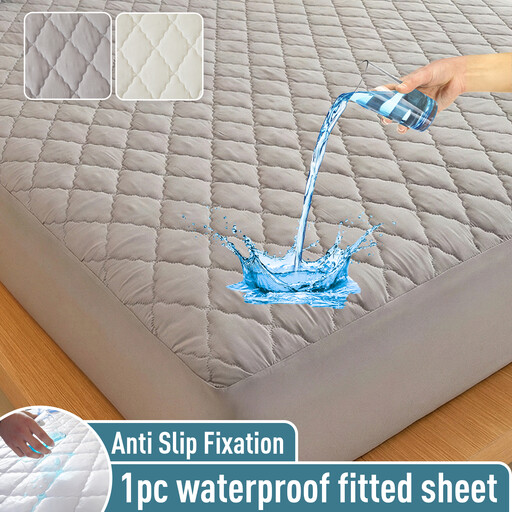
IDEAL FOR: COMPLETE AND FLAWLESS PROTECTION
LeBonsoir Quilted Waterproof Mattress Protector, Fitted Sheet Style

LeBonsoir Quilted Mattress Protector, Fitted Sheet with 30 cm Pocket

The Verdict: The perfect solution for those who want protection that doesn't budge an inch. Its fitted sheet style with a deep 30 cm pocket perfectly envelops even the thickest mattresses while also protecting the sides.

How It Beats the Trap

This model solves the problem of a shifting mattress protector. Its fitted design ensures it stays perfectly in place all night for uninterrupted protection.

The Key Feature

Its quilted design adds a thin layer of comfort while remaining breathable and, of course, fully machine washable.

Looking for other models?

Discover our full selection of products that meet our quality criteria and current standards.

Frequently Asked Questions (FAQ)

What's the difference between a mattress protector and a mattress topper?

This is a common point of confusion, but their functions are very distinct:

  • The mattress protector (or pad) serves a primarily hygienic purpose: it provides mattress protection against liquids, stains, and allergens. It is very thin so as not to alter the original comfort.
  • The mattress topper, on the other hand, is designed to improve the comfort of a mattress (one that's too firm or ageing) by adding softness or support. It is much thicker and is rarely waterproof.

How often should you wash a waterproof mattress protector?

For normal use, washing it every 4 to 8 weeks is sufficient. Of course, it should be washed immediately in case of a spill. For allergy sufferers, washing it every 2 weeks at 60°C is recommended to effectively eliminate dust mites.

Do waterproof mattress protectors really make you sweat?

Absolutely not, as long as you choose the right one! Only low-end models with a non-breathable PVC membrane cause this problem. A modern breathable mattress protector, with its polyurethane (PU) membrane, allows air to circulate and moisture to escape. This ensures you sleep in a healthy and comfortable environment.