
Livraison le jour même ou le lendemain

Qualité garantie

Débloquez vos offres de bienvenue: Livraison GRATUITE | Jusqu'à -80 % | 30 jours d'essai gratuits à JoyPlus
Téléchargez l'application
A good mattress is a significant investment in your sleep and well-being. Protecting it from everyday spills, sweat, and allergens is therefore a must. However, choosing a 140x200 waterproof mattress protector can quickly become a headache. Between marketing promises and real-world performance, many models disappoint with their lack of comfort or poor durability.
To avoid buyer's remorse, here are the three most common pitfalls to avoid:
Knowing how to spot these flaws is the first step toward an informed choice that will protect your mattress without ever ruining your nights.
To avoid these pitfalls, simply focus on a few technical specifications. They are what make all the difference between a bad product and an effective, comfortable protector.
The composition of a mattress protector is divided into two parts: the contact surface and the waterproof membrane.
The fastening system is crucial for keeping your protector securely in place.
Some models go the extra mile with specialised treatments. An anti-dust mite mattress protector is an excellent option for allergy sufferers. However, the main function remains waterproofing, making it a perfect bedwetting protector for children's beds or a discreet and effective adult incontinence pad. Finally, always check the washing instructions. A machine-washable mattress cover at 40°C or 60°C guarantees impeccable hygiene and easy maintenance.
To guide you, we have selected products that tick all the boxes for performance and comfort.
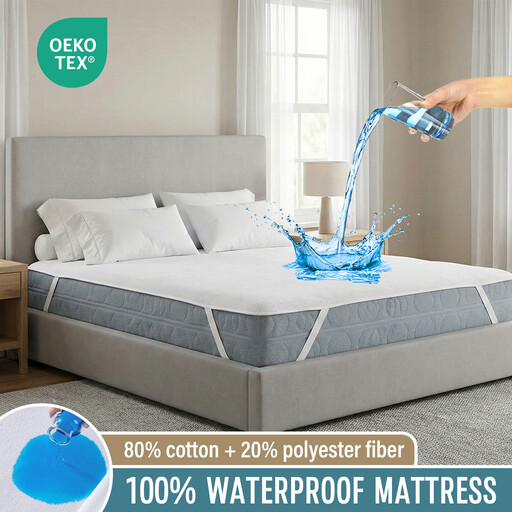
Editor's Verdict: A versatile and robust solution, perfectly suited for family life. The cotton/polyester blend offers an excellent compromise between the absorbent comfort of cotton and the quick-drying properties of polyester—a major advantage for frequent washes due to minor accidents.
Its terry cloth surface and breathable TPU membrane reduce the feeling of heat and crinkling noises. The four corner elastics ensure a firm fit on standard-sized mattresses, preventing bunching.
The perfect balance of comfort, protection, and easy care. Washable up to 60°C for enhanced hygiene.
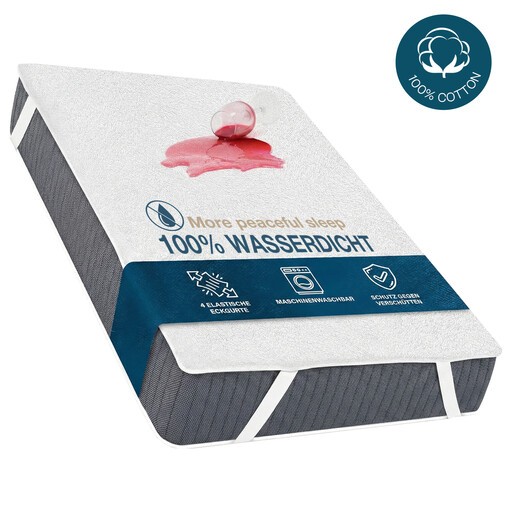
Editor's Verdict: The perfect choice for those who prioritise the feel of natural materials and maximum breathability. The 100% cotton surface is soft, absorbent, and ideal for sensitive skin, while providing completely discreet waterproof protection.
The 100% cotton surface and thin TPU membrane effectively combat the "plastic bag" effect and noise. Thermal comfort is optimised, a real plus for people who tend to sweat at night.
100% cotton surface for enhanced softness and breathability. A natural feel against the skin.
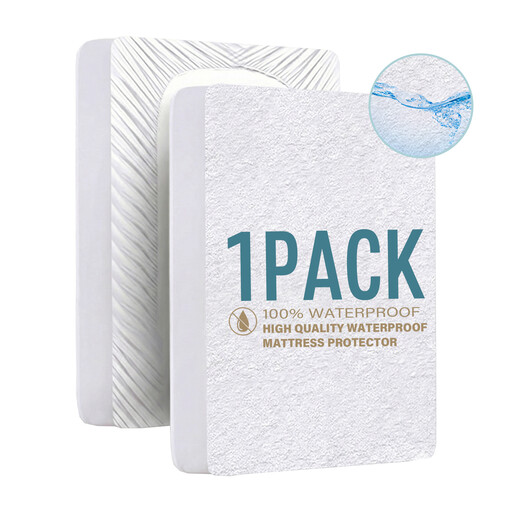
Editor's Verdict: Designed specifically for modern, often thicker, mattresses. Its fitted-sheet style with a deep pocket ensures it stays perfectly in place, even for those who move a lot during the night.
Its fitted-sheet style with a 30 cm extra-deep pocket completely solves the problem of protectors that slip or come off at the corners. It envelops the mattress for a flawless fit.
Impeccable fit thanks to its deep-pocket fitted sheet design. Suitable for mattresses up to 30 cm thick.
Explore our full selection of protectors that meet our standards for quality and durability.
Most quality models are machine washable. Follow the instructions on the label, but generally, a 40°C wash is sufficient for regular maintenance. A 60°C wash can be done occasionally for a deep clean. Absolutely avoid fabric softener, which can damage the waterproof membrane, and opt for air-drying or tumble drying on a very low heat setting if the label permits.
Yes, if you choose a low-end model, often made of PVC. It will block airflow and increase perspiration. Conversely, a modern breathable protector with a polyurethane (TPU) membrane and a natural material surface like cotton allows air to circulate. It wicks away body moisture while blocking liquids, providing incomparably better thermal comfort.
It all depends on the quality of the product, how often it's used, and how it's washed. A well-made, properly maintained mattress protector can last for several years. The tell-tale signs of wear are a loss of elasticity in the fastenings, pilling on the surface, or a decrease in waterproofness (often due to washing at too high a temperature or using unsuitable products).