
Livraison le jour même ou le lendemain

Qualité garantie

Débloquez vos offres de bienvenue: Livraison GRATUITE | Jusqu'à -80 % | 30 jours d'essai gratuits à JoyPlus
Téléchargez l'application
A quality mattress is a significant investment in your sleep. The challenge? It’s on the front line, exposed to everyday mishaps: breakfast-in-bed spills, bedwetting, perspiration, dust mites, and more. A waterproof mattress protector is the simplest and most effective solution to keep it in pristine condition, extend its lifespan, and guarantee perfect hygiene.
But with an overwhelming number of options on the market, how do you choose? This guide is here to help you navigate the choices, focusing on the criteria that truly matter and a selection of field-tested products—without the marketing fluff.
Choosing the right protection goes far beyond simple waterproofing. Here are the key factors to examine to make an informed decision.
The primary mission of a waterproof mattress pad is simple: to create an impenetrable barrier against liquids. High-performance models use a thin membrane, often made of polyurethane (TPU), that blocks moisture. However, this protection should never come at the expense of your comfort. A breathable mattress protector is therefore essential to allow air to circulate. Say goodbye to heat buildup and the unpleasant sensation of sleeping on plastic! Your nights will be healthier and more comfortable.
The material that comes into contact with your skin is crucial for your comfort.
Also, verify that the model is a machine-washable pad, ideally at 40°C (104°F) for regular upkeep and up to 60°C (140°F) for deep cleaning, especially for allergy sufferers.
A mattress protector that slips or bunches up loses its effectiveness and quickly becomes uncomfortable. There are two main styles:
We've selected a few models that stand out from the crowd for their design and effectiveness, catering to a variety of needs.
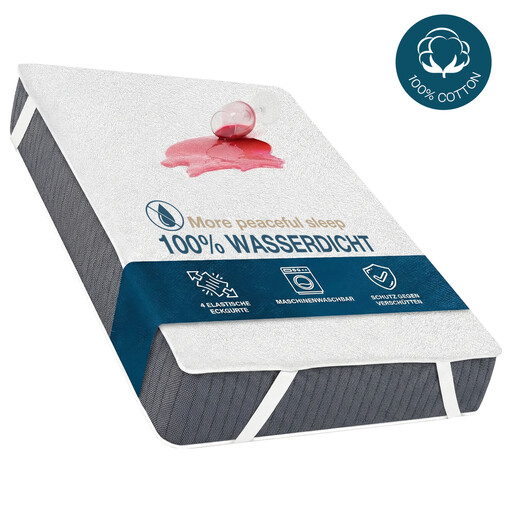
What sets it apart: This model focuses on simplicity and quality materials. Its 100% cotton terry cloth surface provides a soft, natural feel, while its waterproof and breathable membrane ensures protection that is completely unnoticeable. Its anchor band style with four corner elastics makes it very easy to put on and take off.
Benefits:
Who is it for? Ideal for those seeking simple, effective protection who prioritise the feel of a natural fibre. It's an excellent choice for adult and teen beds with standard-height mattresses.

What sets it apart: This model takes things to the next level with its fitted sheet style and an extra-deep 30 cm pocket, specially designed for the thickest mattresses. Its microfibre surface is quilted, adding a light layer of comfort while ensuring complete waterproof protection.
Benefits:
Who is it for? Perfect for those with thick mattresses or mattress toppers. It's also the top choice for restless sleepers, as this model stays perfectly in place all night long.
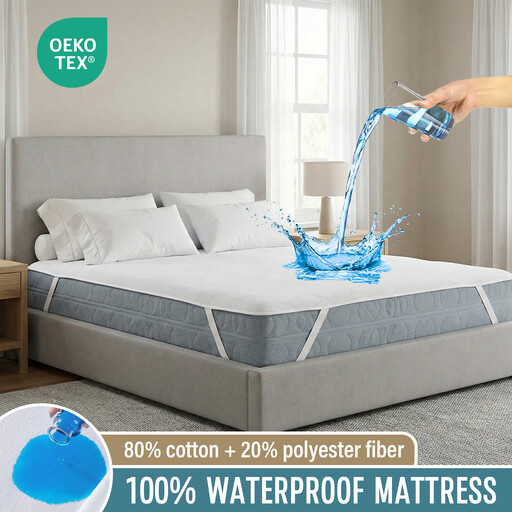
What sets it apart: This model is all about versatility, combining the benefits of multiple materials with a surface made of 80% cotton and 20% polyester. This blend offers both the softness of cotton and the durability of polyester. Like the first model, it uses a corner elastic fastening system, making it very low-maintenance.
Benefits:
Who is it for? This is the go-to versatile and budget-friendly solution for everyday use. It's just as suitable for protecting the master bed as it is for a guest room, a child's bed, or for incontinence needs.
Protecting your mattress is an essential step, but your bedroom's style matters too. If you'd like to take this opportunity to refresh your bedding set and add a splash of colour, feel free to explore other options.
? Discover our selection of multicoloured bedspreads to complete your bedding
In practice, the two terms are often used interchangeably. Historically, a waterproof pad referred to a simple plastic sheet. Today, a mattress protector describes more advanced products that are waterproof, breathable, and sometimes feature special treatments (e.g., anti-dust mite mattress protection). Most modern products combine these functions.
This is the number one concern, a holdover from old plastic pads that would crinkle and cause sweating. Rest assured, high-quality modern protectors are designed to be perfectly silent and breathable. They use flexible membranes (like TPU) and surface fabrics (cotton, microfibre) that allow air to circulate, preventing both excessive heat and rustling noises.
Care is a breeze. Most models can be machine washed at 40°C (104°F). For a deeper clean, especially for allergies or after an 'accident', a 60°C (140°F) wash is often possible (always check the care label). Air drying is ideal, but tumble drying on a low heat setting is also an option. A word of caution: bleach and ironing are to be avoided, as they will permanently damage the waterproof membrane.