
Livraison le jour même ou le lendemain

Qualité garantie

Débloquez vos offres de bienvenue: Livraison GRATUITE | Jusqu'à -80 % | 30 jours d'essai gratuits à JoyPlus
Téléchargez l'application
Vegetarian konjac tripe is winning over Chinese cuisine enthusiasts looking for a springy texture, bold flavours and a convenient format. It contains no beef tripe, but partially recreates its appearance and chew through konjac, starch and seasonings.
However, choosing between a spicy konjac snack, plant-based tripe designed for hot pot and genuine products made from beef omasum can be challenging. Here are the key criteria to consider before buying, along with a selection suited to different uses in France.
The term “tripe” can refer to a texture or recipe without necessarily indicating an animal product. A product such as Wei Long’s vegetarian Chinese tripe is made with water, konjac flour, starch and vegetable oil. It is therefore suitable for anyone looking for a meat-free snack, but it does not replicate the rich flavour of genuine beef tripe.
By contrast, the terms 100% beef omasum and “beef omasum” clearly refer to animal offal. Always check the ingredients list and quantitative ingredient declaration before ordering.
Several konjac snacks display a moderate energy value. That does not necessarily mean they suit every diet. The sauce may contain significant amounts of salt, oil, sugar or fermented ingredients.
Some products, for example, list between 108 and 134 kcal per 100 g while also containing several grams of salt. The nutrition panel should therefore be considered alongside the portion actually consumed, particularly when the product comes in small sachets that can easily add up.
Seasonings such as mala-flavoured konjac often contain soy, sesame, wheat or peanuts. A product can be vegetarian without being suitable for people with allergies to these ingredients.
For frozen beef tripe, maintaining the cold chain is essential. A product that must be stored at –18 °C or below should not remain at room temperature for an extended period. Once thawed, it should generally be kept in the refrigerator and must not be refrozen.
Konjac provides a supple, slightly springy texture. Its proportion nevertheless varies from one recipe to another. Some products contain approximately 6% konjac flour, while others contain more. The remaining ingredients may include tapioca starch, oil, soy, chilli paste and flavourings.
For a ready-to-eat snack, also review the additives, flavour enhancers and preservatives. Their presence is not necessarily a concern, but it should align with your preferences.
Thin, rippled formats are generally designed to be enjoyed as they are. Thicker sheets can be served in a salad, with rice or as a side dish. Ready-to-cook products are better suited as a hot pot ingredient, in soup or in a stir-fry.
Genuine beef tripe has a distinctly different texture. Omasum, also known as bible tripe, is prized for its firmness and crisp bite when finely sliced. Cooking time plays a decisive role: if it is too long, the texture may suffer.
Boxes containing 20 to 28 portions make it easier to control quantities, share the product or take it to work. Sachets of 50 to 100 g are practical for trying a flavour, while formats from 300 to 1,000 g are better suited to family cooking.
For regular use, compare the total weight, number of portions and storage requirements rather than focusing solely on the displayed price.
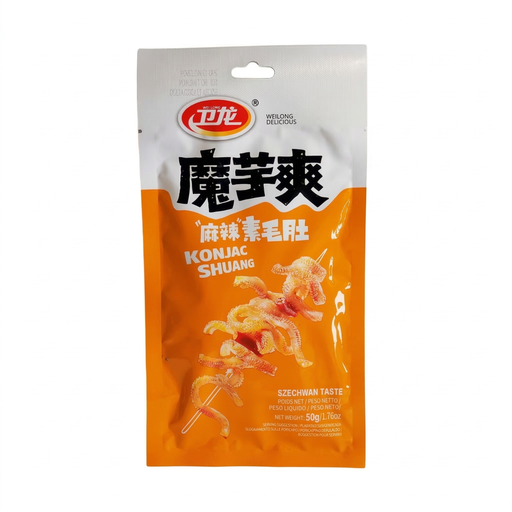
Why it suits this profile : A compact sachet that is ideal for discovering a spicy Asian snack without committing to a large box.
The product is clearly presented as vegetarian and its ingredients include konjac flour. The presence of soy, a common allergen, should be taken into account.
50 g format, ready-to-eat convenience and a mala profile combining chilli and Sichuan pepper.
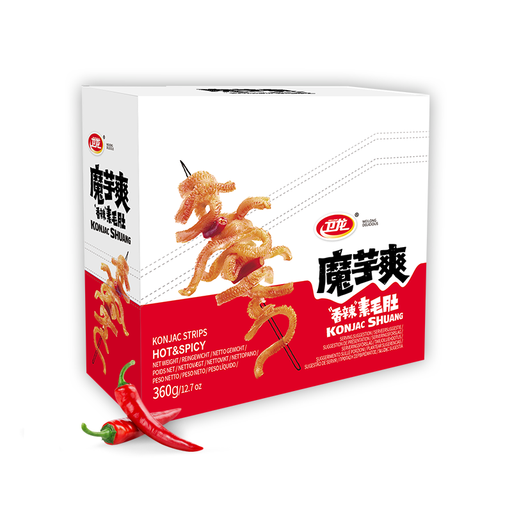
Why it suits this profile : The 20 sachets of 18 g are ideal for breaks, drinks with friends and portion control.
The portion size is clearly defined, but the salt content should still be checked before regular consumption.
20 individual sachets, ready-to-eat convenience and 114 kcal per 100 g according to the supplied product information.
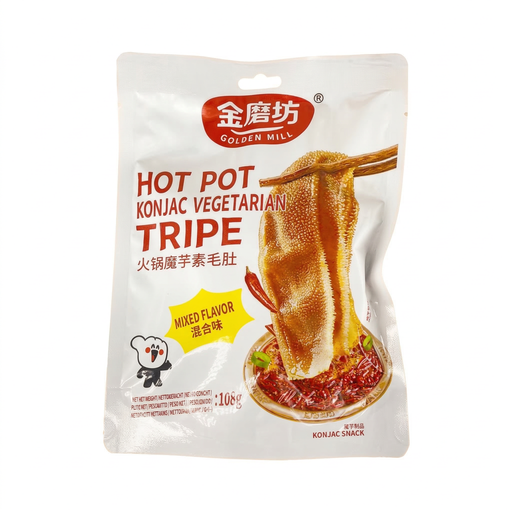
Why it suits this profile : A plant-based option designed to be heated in a hot pot or added to a stir-fry.
This is not a ready-to-eat snack : the product information presents it as a product that must be cooked. Follow the preparation instructions on the packaging.
43 kcal per 100 g according to the product information, with dry storage before opening and refrigeration after opening.
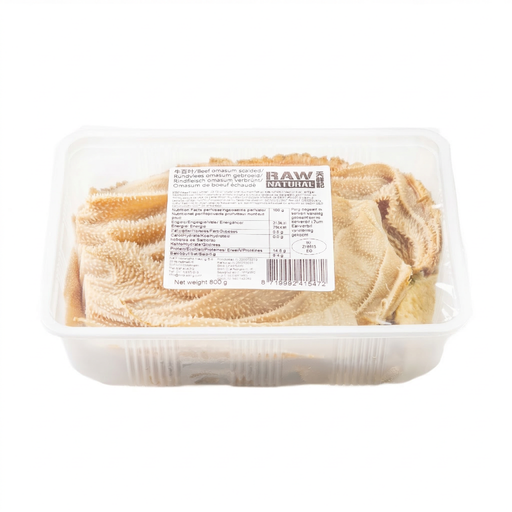
Why it suits this profile : This precooked beef bible tripe can be used in broth, hot pot or a stir-fry.
This product is clearly of animal origin, frozen and precooked. Do not confuse it with plant-based tripe or eat it cold without suitable preparation.
800 g format, a short ingredients list limited to omasum, water and salt, with preparation described as quick.
We have brought together an up-to-date selection of products suited to different uses, formats and dietary preferences.
For a spicy konjac snack, open the sachet and enjoy it immediately if the label states “ready to eat”. Reseal the outer packaging and consume any opened portion promptly.
For beef omasum, thaw it in the refrigerator, rinse it if necessary and follow the instructions on the packaging. RAW NATURAL Beef Omasum 400 g can be finely sliced for broth or blanched before being stir-fried. Raw products must be cooked thoroughly : do not refreeze them after thawing.
Another point to bear in mind : products intended for animals, such as Ziwi Peak Chews Lamb Green Tripe 80 g, are complementary dog food. They must not be selected for human consumption.
It primarily imitates the texture and shape. Its flavour depends largely on the sauce : mala, chilli, sesame, sweet and sour or barbecue. It does not exactly reproduce the flavour of animal offal.
Only if the packaging states that it is suitable for cooking. Ready-to-eat products may lose their texture if left in broth for too long. For this use, choose a product explicitly presented as a hot pot ingredient.
Calculate the price per 100 g, then check the number of portions, storage requirements and preparation method. A large box is only worthwhile if you genuinely enjoy the flavour and can consume the product before the stated date.