
Livraison le jour même ou le lendemain

Qualité garantie

Débloquez vos offres de bienvenue: Livraison GRATUITE | Jusqu'à -80 % | 30 jours d'essai gratuits à JoyPlus
Téléchargez l'application
A terracotta flower pot instantly brings warmth to an interior, patio or balcony. But an attractive colour alone does not guarantee the right purchase. From purely decorative models to pots designed to stay outdoors and those with practical features, the differences can be considerable.
Before making your choice, watch out for three common pitfalls:
Traditional terracotta is appealing for its natural appearance, but it can crack following impacts or freeze-thaw cycles when it is wet. If you are looking for a frost-resistant flower pot, read the product information carefully rather than relying on its appearance.
Containers made from recycled materials or polypropylene are an attractive alternative for outdoor use. Some models feature UV protection, designed to limit fading and ageing caused by sunlight. However, you still need to consider whether this protection is sufficient for the actual exposure on your balcony, in your garden or on your patio.
A recyclable pot can also support a more responsible approach to shopping. However, take care not to confuse ‘made from recycled materials’ with ‘recyclable’: the first refers to the product’s composition, while the second concerns what happens to it at the end of its life.
The pot should accommodate the plant as it grows. A small shrub or substantial perennial will need a large flower pot that is both wide and deep. A compact plant, on the other hand, can make do with a smaller model.
Also remember to check:
In a confined space, a tall model helps save floor space. A bowl or shallow planter is better suited to creating a collection of plants or a decorative display.
A self-watering pot can reduce how often you need to water, but it does not replace monitoring the moisture level of the growing medium. Check for a separate reservoir, a perforated system or a removable plug.
Outdoors, effective drainage generally remains the priority to prevent water from collecting. Indoors, a plug or decorative cover pot can protect the floor, provided you do not leave the roots permanently standing in water. If the flow of water cannot be controlled directly, always add a suitable saucer.
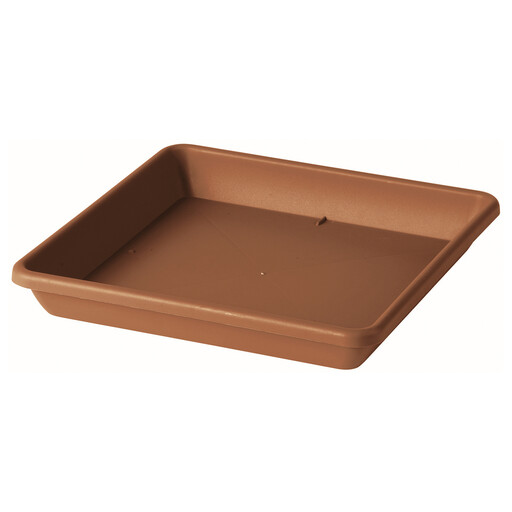
Why this choice suits this profile : At 27 cm, this pot fits easily on a balcony, small patio or plant shelf without becoming obtrusive.
The product information mentions a drainage hole as well as resistance to frost and UV rays: two details to check before installing it outdoors.
Recycled and recyclable material, a 27 cm square format and care that simply involves wiping with a damp cloth.
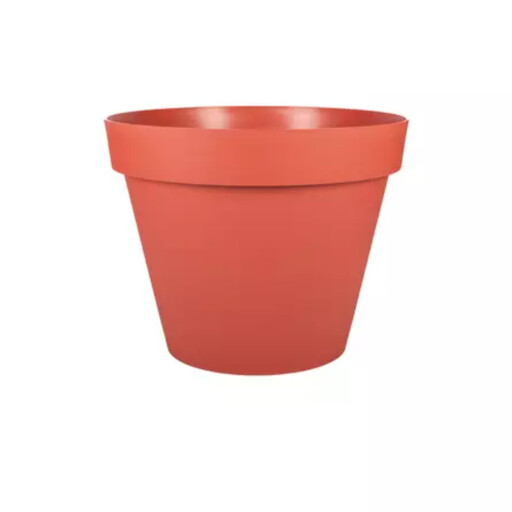
Why this choice suits this profile : With a diameter of 40 cm and a stated capacity of 23 litres, it can accommodate a substantial decorative plant in an entrance hall, conservatory or on a patio.
The product information states that it has UV protection and a water reservoir. For winter, however, it recommends storing the pot somewhere frost-free if the soil is likely to freeze and expand.
Made in France, 100% recyclable polypropylene and a stated 7-year guarantee in mainland France.
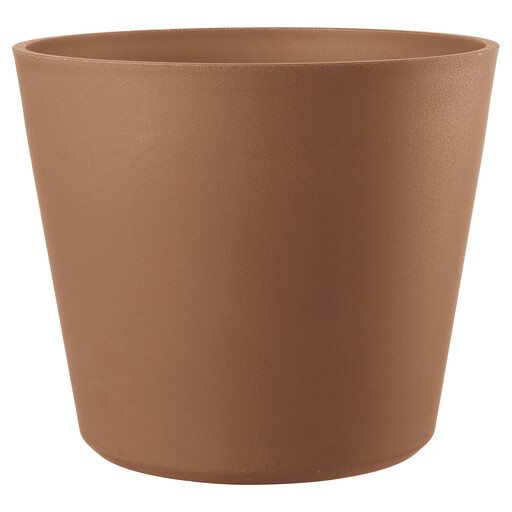
Why this choice suits this profile : At 58 cm and fitted with wheels, this model makes it easier to move a large plant between the patio, conservatory and a sheltered area.
The removable plug lets you choose between draining the water outdoors and retaining it for a decorative indoor installation.
Stated resistance to frost and UV rays, recycled and recyclable materials, and care using a damp cloth.
We have put together a complete, real-time selection of products that meet these demanding criteria while complying with European safety regulations.
Before repotting, make sure the container is stable and that its diameter matches the root ball. For a pot installed outdoors, place it on a flat surface and make sure water can drain away freely. On a balcony, also check that the total weight complies with the building’s rules and the structure’s load-bearing capacity.
For models made from plastic or recycled material, cleaning with clean water or a damp cloth is generally sufficient. Avoid abrasive products, which may dull the surface. If frost is forecast, follow the recommendations in the product information and prevent water from collecting in the container.
For a terracotta planter, arrange the plants according to their light and water requirements. A very long planter may need several drainage points to prevent one end from remaining too wet.
Choose a compact, stable model that remains light enough once filled. A diameter of between 25 and 40 cm is suitable for many plants, but always take the total weight, drainage quality and exposure to wind into account.
It depends entirely on the material and the manufacturer’s recommendations. A model explicitly described as frost-resistant can stay outside, but wet soil that freezes puts pressure on the sides of the pot. If the product information recommends it, it is better to store the pot somewhere frost-free.
A terracotta vase is generally used for decoration or cut flowers and may not have a drainage hole. A flower pot is designed to hold a plant and its growing medium; in most cases, it should therefore allow water to drain away. Always check the stated purpose before placing your order.