
Livraison le jour même ou le lendemain

Qualité garantie

Débloquez vos offres de bienvenue: Livraison GRATUITE | Jusqu'à -80 % | 30 jours d'essai gratuits à JoyPlus
Téléchargez l'application
A beautiful decorative pot can transform a room, but the wrong choice can quickly become a headache. Between marketing promises and real-world performance, it's easy to get lost. As a product expert at Joybuy, my mission is to guide you through the jungle of options to find the piece that will elevate your indoor or outdoor space for years to come. Let's break down the common pitfalls to avoid and the criteria that truly matter.
Before falling for a pretty picture, beware of these classic mistakes that can turn an impulse buy into a regret:
outdoor flower pot crack during the first winter? This claim often hides porous ceramics or poor-quality plastics that can't withstand freeze-thaw cycles. True frost resistance depends on the nature of the material and its manufacturing process, not just a label.designer cachepot with no drainage hole is a death trap for your plants. Stagnant water at the bottom suffocates the roots, leading to certain rot. Similarly, a tall single-stem vase with a base that's too narrow is likely to tip over at the slightest draft and end up in a thousand pieces.glass vase that looks sturdy could prove to be surprisingly fragile in daily use.To make an informed choice, focus on these three key points, which guarantee the quality and durability of your decorative pot.
The material defines not only the aesthetic but also the purpose of your pot.
ceramic vase indoors, it comes in a multitude of finishes (matte, glossy, textured). For outdoor use, opt for high-density ceramic or stoneware specifically treated to be a frost-resistant flower pot (certified frost-proof).modern vase or for showcasing bouquets, a glass vase adds lightness and elegance. Check the thickness of the glass, especially on larger models: it's a sign of stability.balcony planter or a large outdoor pot, recycled injection-moulded plastics are a smart option. They are lightweight, often UV-treated, and designed to withstand the elements, while also being a more responsible alternative.This is the non-negotiable point for the health of your potted plants.
outdoor flower pot models come pre-drilled. Others, more versatile, include a removable plug, allowing them to be used both indoors (with the plug) and outdoors (without it).The size and shape of your pot should be in harmony with the plant it holds and the place where it will be set. A tall single-stem vase will be perfect for a single pampas grass stem in a corner of the living room, while a trio of small textured vases will create a focal point on a shelf. It's all a matter of proportion: the pot should neither overshadow the plant nor look ridiculously small.
Here are a few gems that meet specific needs while adhering to our standards of quality and functionality.
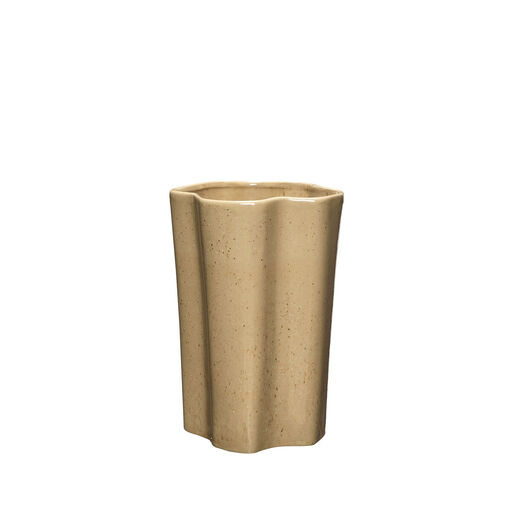
Why we chose it: More than just a container, its organic shape and textured finish make it a true piece of interior design in its own right. It will elevate a sideboard or console table, even without flowers.
The promise is clear: this vase is for indoor use only. No false claims of frost resistance, so no disappointment possible. It fully embraces its role as a designer cachepot or a sculptural object.
Its generous volume (5.5 L) and 30 cm height allow it to hold lush bouquets or stand on its own, like a work of art.
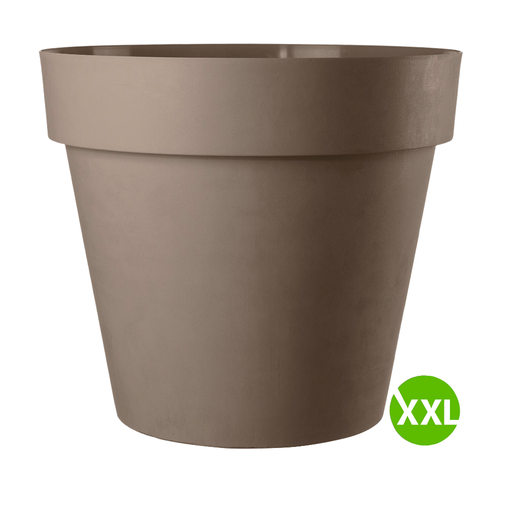
Why we chose it: Built to withstand the elements, this pot is the reliable solution for a balcony planter or terrace. Its injection-moulded recycled plastic design combines robustness and lightness.
It avoids two classic pitfalls: its technical material ensures true resistance to frost and UV rays, while its pre-drilled drainage hole guarantees your plants' health.
Its durable and eco-friendly design (recycled and recyclable material) makes it a smart and conscious choice for long-term outdoor use.
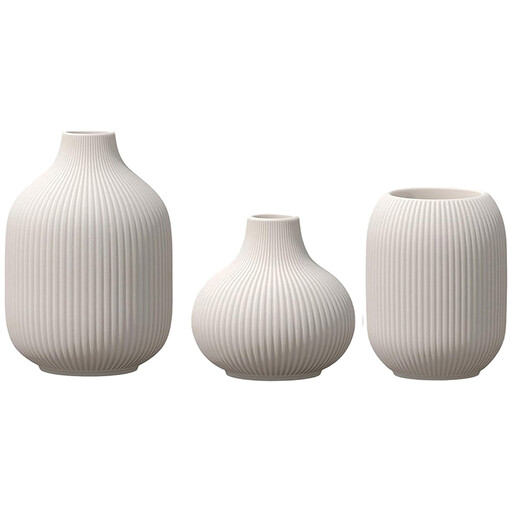
Why we chose it: This trio of vases in complementary sizes is perfect for creating a harmonious arrangement on a shelf, desk, or coffee table. The textured design and neutral colour easily blend with many styles.
It avoids the trap of inaccessible design by offering a sharp style at an accessible price point. Sold as a set, it maximises decorative impact without breaking the bank.
Its versatility. Together, they create a strong focal point. Separated, they add a touch of cohesion across different spaces. The quality of the ceramic vase ensures a flawless finish.
Discover our full selection of products, vetted by our experts using these same criteria for quality and safety.
Trust the material. High-quality injection-moulded plastic, fibreglass, or porcelain stoneware pots are generally good choices. For terracotta, it must be specified as "frost-proof," which means it has been fired at a very high temperature to reduce its porosity. Another clue is the weight. A dense, heavy pot is often a sign of sturdiness.
It's all about drainage. A flower pot is designed for direct planting and has a hole at the bottom to drain water. A cachepot is a purely decorative container, without a hole, into which you place the plant's nursery pot. Never plant directly into a cachepot, or you risk drowning your plant.
Absolutely, some vases are wonderfully suited for it. A transparent glass vase is an excellent option, as it allows you to watch the roots develop in the water, which becomes a spectacle in itself. Just make sure the opening is wide enough to handle the plant without damaging the roots, and that the vase is very stable. Borosilicate glass models, known for their durability, are an excellent choice.