
Livraison le jour même ou le lendemain

Qualité garantie

Débloquez vos offres de bienvenue: Livraison GRATUITE | Jusqu'à -80 % | 30 jours d'essai gratuits à JoyPlus
Téléchargez l'application
Navigating the drinks aisle can quickly become a headache. Between "zero calorie" promises and "no added sugar" labels, it's easy to feel lost. Yet the goal is simple: find a sugar-free drink that's both delicious and fits your lifestyle. Unfortunately, many people end up disappointed by an artificial taste or a subpar ingredient list.
Our mission? To help you decode the labels. Here are the most common pitfalls to avoid and the key criteria for making the right choice.
The "No Added Sugar" Illusion?: A "no added sugar" claim doesn't mean the drink is sugar-free. This is especially true for a no-added-sugar fruit juice. Fruits naturally contain fructose, a sugar that impacts blood sugar levels and calorie intake. This label simply means the manufacturer hasn't added sucrose or glucose syrup. The best practice: always check the "of which sugars" line in the nutritional information.
The Aftertaste of Low-Quality Sweeteners?: To replace sugar, many drinks use sweeteners. While all those authorised in Europe are deemed safe by health authorities, their quality and dosage vary dramatically. An improper balance can leave a lingering chemical or metallic aftertaste, turning a refreshing break into an unpleasant experience.
To choose an alternative to sugary drinks that you'll genuinely enjoy, it's better to focus on a few key points rather than marketing slogans.
The nature of the sweetener directly influences the drink's taste. They are mainly divided into:
The choice depends on your personal sensitivity. Some people perceive an aftertaste with aspartame, while others find sucralose more neutral.
A zero-calorie drink shouldn't be just a list of additives. Take a look at the composition to spot quality ingredients. For example:
A short, easy-to-understand ingredient list is often a good sign.
Think about how you'll use it. Are you looking for a sugar-free soda for a party, a light drink to hydrate after a workout, or a fruity option to go with a meal? The format (can, family-size bottle) and type of drink (sparkling, still, tea-based...) should match your habits to avoid waste.
To guide you, here are a few gems that meet different needs, based on the criteria we've just covered.
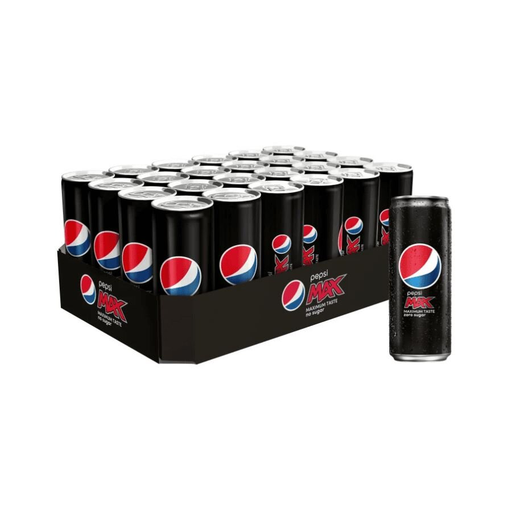
Why we chose it : For die-hard cola fans looking for a practical, everyday solution. This pack lets you stock up and manage your budget without sacrificing the pleasure of an essential sugar-free soda.
The taste of Pepsi Max is consistent and highly rated, eliminating the risk of disappointment from an unpleasant aftertaste. The "Zero Sugar" claim is clear, and the composition is transparent.
An intense cola taste with zero sugar, in a 24-can format perfect for stocking up at home or the office.
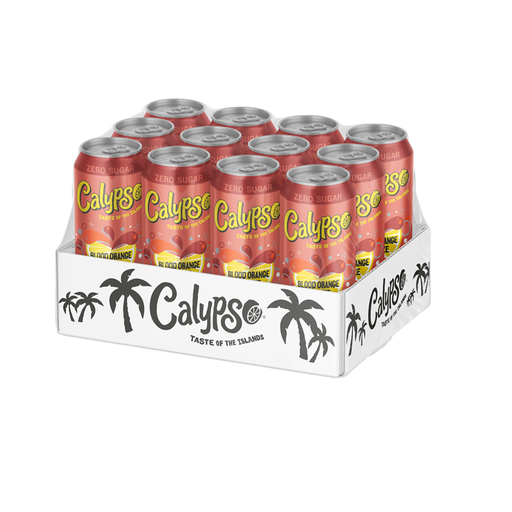
Why we chose it : Perfect for those who want to try something new. This sparkling lemonade combines the tartness of blood orange with the freshness of lemon for a unique taste experience, all with no sugar or calories.
It doesn't fall into the trap of a deceptively "healthy" fruit juice. It's a zero-calorie drink that relies on natural flavours for an authentic fruity taste, with no hidden sugars.
A bold, thirst-quenching flavour that's an excellent alternative to classic sodas. The 12-pack is convenient for discovering the range or for sharing.
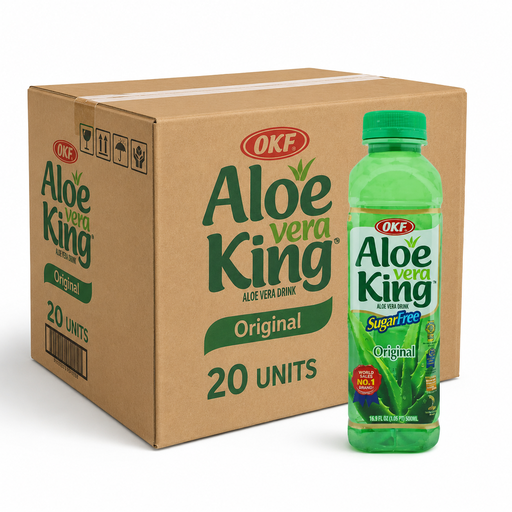
Why we chose it : Ideal for those looking to hydrate differently with a still drink focused on wellness. It contains real aloe vera juice and pulp, offering a unique texture and flavour.
Its strength lies not in a simple flavouring but in its high aloe vera content (21% juice and 9% pulp). It delivers on its promise: zero sugar, zero carbs, zero fat.
A refreshing and smooth drink with a very pleasant, original texture. The 20-bottle pack is perfect for regular consumption, both at home and on the go.
We have selected a full range of products for you that meet these quality criteria and current regulations.
The distinction is significant. A "zero sugar" or "sugar-free" drink contains a negligible amount of sugar (usually less than 0.5g per 100ml), whether naturally occurring or added. In contrast, a "no added sugar" drink has had no sugar (sucrose, glucose, etc.) added during manufacturing, but it may contain sugars naturally present in its ingredients, such as those from fruit.
No. All sweeteners sold in the European Union (aspartame, sucralose, acesulfame-K, etc.) are rigorously tested and approved by the European Food Safety Authority (EFSA). Their consumption is considered safe within the acceptable daily intake (ADI) limits. In case of a specific medical condition, consulting a healthcare professional is, of course, recommended.
Most drinks, especially still and juice-based ones, should be kept in the refrigerator once opened. It is advisable to consume them within 2 to 4 days to ensure their freshness and taste. In any case, always check the storage instructions on the packaging.