
Livraison le jour même ou le lendemain

Qualité garantie

Débloquez vos offres de bienvenue: Livraison GRATUITE | Jusqu'à -80 % | 30 jours d'essai gratuits à JoyPlus
Téléchargez l'application
The idea of installing a solar garden light is incredibly appealing: no cables to run, no impact on your electricity bill, and the promise of a warm ambiance as soon as night falls. Yet, who hasn't been disappointed by these gadgets when they give up the ghost after a few downpours or offer only a feeble glimmer for just an hour or two?
As the Head of Product Recommendations at Joybuy, my mission is to help you navigate the jungle of options and see through the marketing promises that seem too good to be true. Here are the three most common pitfalls to avoid and the criteria to look for to find wireless garden lighting that is both durable and beautiful.
The 3 classic pitfalls when buying solar lights:
To avoid these traps, you just need to keep an eye on a few technical specifications that, while seemingly minor, make all the difference.
The IP (Ingress Protection) rating is an international standard that classifies a device's level of protection against solids (like dust) and liquids (like water). For outdoor use where the weather can be unpredictable, an IP44 rating is the absolute minimum (protection against water splashes).
However, for complete peace of mind and to ensure greater longevity, we recommend aiming for an IP65 rating. This means your LED solar bollard light is completely dust-tight and protected against water jets from any direction. It's the hallmark of true resilience against heavy rain and even your garden's automatic sprinkler system.
A solar light's runtime depends on its ability to capture and store energy.
The right balance between these two components is the key to reliable automatic activation at dusk and a warm white light that will last well into the night.
The structure of your light must be able to withstand the elements and handling. ABS plastic is a preferred material, known for its toughness, impact resistance, and ability to hold up against temperature changes and UV rays—far superior to entry-level plastics. For the stakes, make sure they are sturdy enough to be pushed into somewhat compact soil without bending or breaking.
To help you see how these criteria apply in practice, here are a few models that meet specific needs while successfully avoiding the pitfalls we've mentioned.
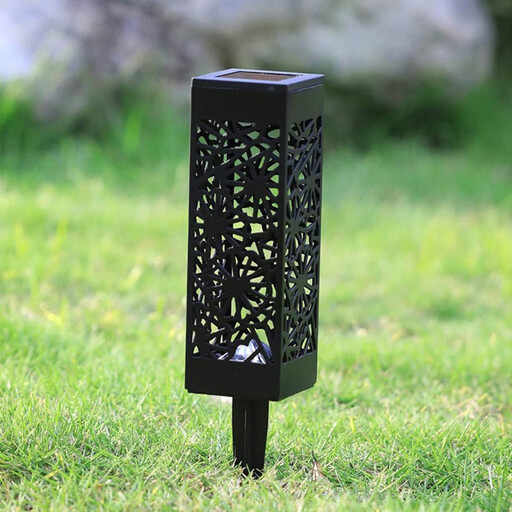
Why we chose it: Ideal for those looking to create a unique visual ambiance. The cut-out design projects elegant floral patterns onto the ground, transforming a simple pathway or flowerbed into a stunning lightscape.
With its IP65 certification and anti-corrosion ABS plastic construction, this model is built to face the elements without flinching, avoiding the pitfalls of false waterproofing and flimsy materials.
Its cut-out design casts elegant patterns on the ground. Installation is incredibly simple and requires no tools.
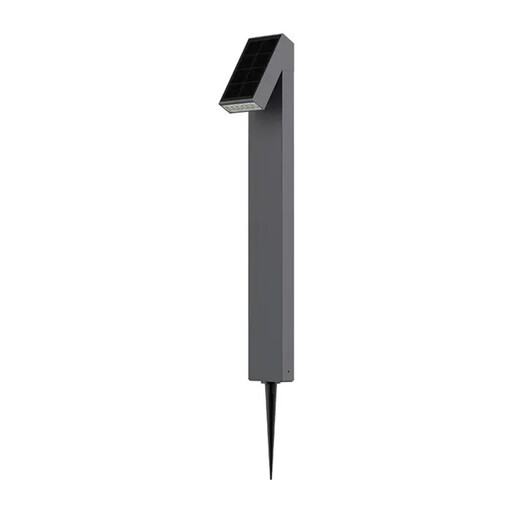
Why we chose it: Perfect for contemporary gardens. Its sleek, angular design integrates discreetly along a pathway or to define a space, providing functional lighting that doesn't overwhelm the decor.
Its robust construction is built to last, and its solid stake ensures a stable installation. This helps avoid the trap of materials that age poorly, ensuring reliable performance season after season.
Its understated, modern design blends into the landscape. The integrated dusk-to-dawn sensor handles everything automatically.
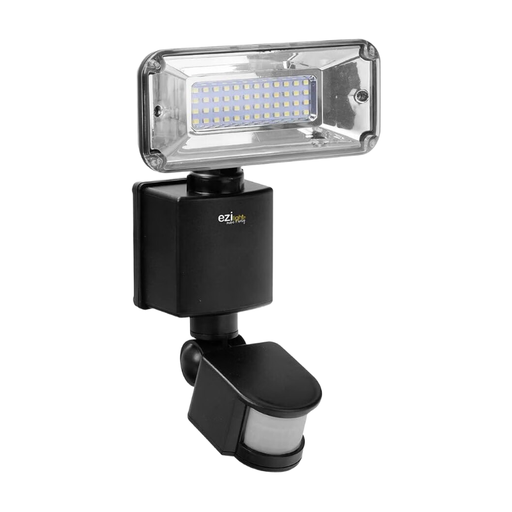
Why we chose it: When the priority is to see and be seen. This floodlight is perfect for illuminating an entryway, garage, or high-traffic area. Its motion detector triggers a powerful beam only when needed.
By optimising battery use with its motion detector, it sidesteps the pitfall of disappointing runtime. Its robust design is focused on long-term performance and reliability.
Its powerful LED floodlight has an adjustable head to direct the light. The motion detector is a dual benefit for both security and battery life.
Discover our full selection of products that meet our quality criteria and European safety standards.
A good quality outdoor solar lamp can last for several years. The lifespan of the LED itself is very long (often over 20,000 hours). The main component subject to wear is the rechargeable battery. The good news is that it can often be replaced after 2 or 3 years to give your setup a new lease on life.
Yes, but their performance will understandably be affected. Modern solar panels can charge even in low light, but the charging time will be longer. In winter, with shorter and less sunny days, simply expect a more limited runtime than in the middle of summer.
Maintenance is minimal, but crucial. Remember to regularly clean the surface of the solar panel with a damp cloth. Dust, pollen, or dead leaves can reduce its efficiency. Finally, make sure to place them in a spot that receives maximum direct sunlight during the day.