
Livraison le jour même ou le lendemain

Qualité garantie

Débloquez vos offres de bienvenue: Livraison GRATUITE | Jusqu'à -80 % | 30 jours d'essai gratuits à JoyPlus
Téléchargez l'application
There's nothing like a beautifully lit garden to transform the atmosphere of your evenings, secure your pathways, and highlight your most beautiful plants. The problem is, installing a conventional lighting system can quickly become a costly and complex headache. This is where the solar garden light comes into its own: a practical, economical, and eco-friendly solution. A completely autonomous, wireless solar garden light can be set up in minutes, without digging trenches or worrying about the electricity bill.
Faced with an overwhelming number of options, it can be difficult to know where to start. This guide is designed to help you see things more clearly by breaking down the essential criteria and presenting our selection of the most compelling models.
Before you buy, a few technical points deserve your attention. This will ensure a successful purchase that lives up to its promises in terms of performance and durability.
Your lights will have to face rain, wind, and dust. The Ingress Protection (IP) rating is the standard that certifies their level of resistance. The first digit relates to solids (dust), the second to liquids (water).
This is the crucial factor. Battery life depends on the solar panel and battery combination. A good model should be able to store enough energy in 4 to 6 hours of sunlight to light up your nights for 6 to 10 hours.
The colour temperature is just as important for the atmosphere?:
Beyond style, which should match your outdoor space, the light's form factor depends on its intended use?:
After analysing the market, we've selected several models that tick all the boxes: design, features, and value for money.
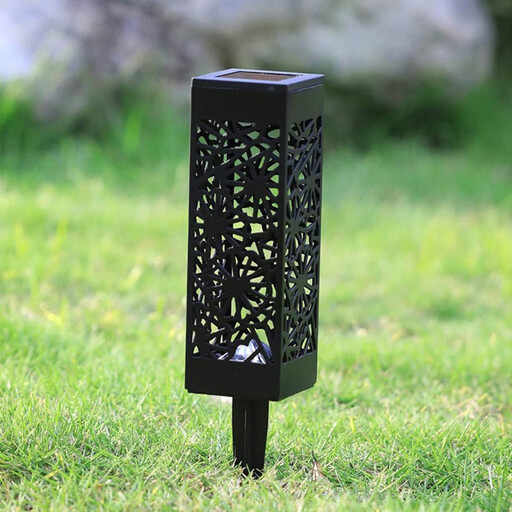
Its Star Quality?: This set stands out with its intricately designed shade that casts elegant light patterns on the ground. The decorative effect is immediate and adds a unique, poetic touch to your garden.
Pros:
Who is it for? For those who want to combine pathway marking with decoration, adding a touch of originality and refinement to a path, flowerbed, or patio.
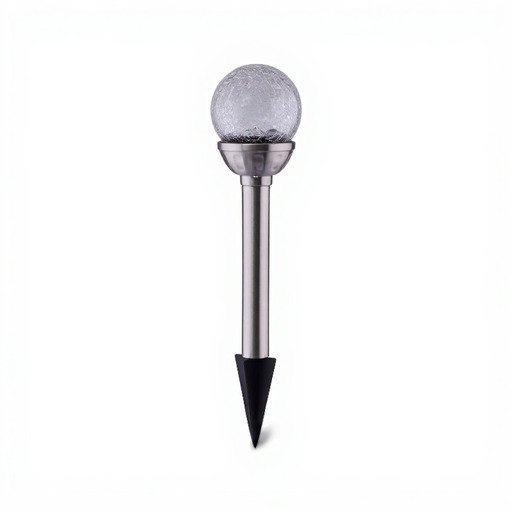
The Most Festive?: This model brings a splash of colour to your garden! Its multicolour (RGB) ambient lighting lets you change the atmosphere to suit your mood.
Pros:
Who is it for? For creatives and fans of summer evenings who want to modulate the ambiance of their patio or garden with dynamic touches of colour.
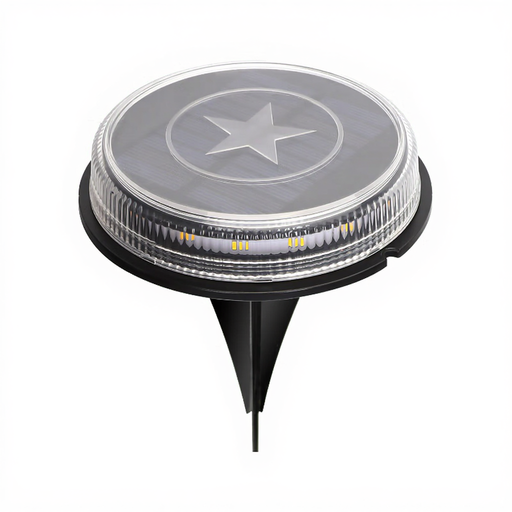
The Most Durable and Discreet?: Designed to be as discreet as it is tough, this spot light is installed directly in the ground. Its flat, ultra-durable design even allows it to withstand the weight of a car. A pathway lighting solution built to last.
Pros:
Who is it for? The ideal solution for safe and nearly invisible marking along a garage driveway, an access path, or to outline a patio.
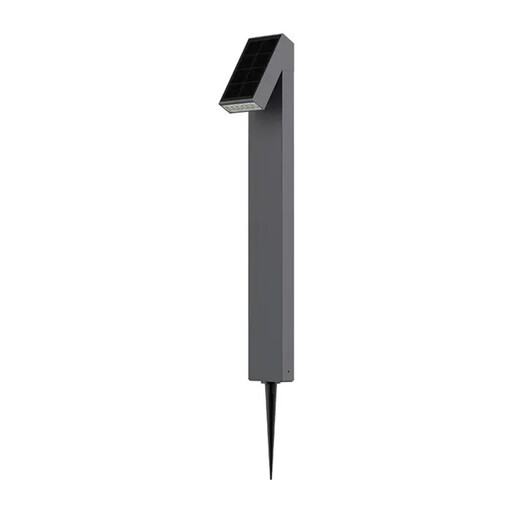
The Most Stylish?: With its angular design and minimalist lines, this solar bollard light injects a dose of modernity and elegance into any contemporary garden.
Pros:
Who is it for? For those looking for pathway lighting with a sleek, contemporary design, capable of elegantly highlighting the lines of a path or landscape feature.
Our selection highlights models with diverse profiles, but the world of solar lighting is much broader. Tall bollards, wall sconces, string lights... If you want to explore other options, feel free to browse our full catalogue.
? Discover Our Entire Collection of Outdoor Solar Lighting
The longevity of a solar light depends on two key components: the LED and the battery. LEDs have a nearly unlimited lifespan (often over 25,000 hours). It's the rechargeable battery that will show signs of wear first. You can generally expect 2 to 3 years of optimal use from a good quality battery before considering its replacement (if the model allows for it).
Yes, but their performance will naturally be reduced. A solar panel captures light even on overcast days or during the short days of winter, but charging is less efficient than in direct sunlight. As a result, the night-time battery life will be shorter. The advice remains the same: to optimise charging, always aim for the sunniest spot in your garden.
Location is key. Choose a spot that receives at least 4 to 6 hours of direct sunlight per day. Therefore, avoid the shade of a building, tree, or large parasol. Also, remember to place the light away from any other night-time light sources (like a streetlamp), as this could trick its dusk-to-dawn sensor and prevent it from turning on.