
Livraison le jour même ou le lendemain

Qualité garantie

Débloquez vos offres de bienvenue: Livraison GRATUITE | Jusqu'à -80 % | 30 jours d'essai gratuits à JoyPlus
Téléchargez l'application
By the Joybuy Team, Product Curation Experts – August 26, 2026
The promise of a smart LED strip? To transform any room with a single tap or voice command. Yet, the market is flooded with models that make tempting promises but often deliver disappointing performance. Between unreliable connectivity and poor light quality, it's easy to make a purchasing mistake.
As product experts at Joybuy, our mission is to help you see things more clearly. Let's cut through the marketing jargon and focus on what really matters. Here's a breakdown of the most common pitfalls and the objective criteria for choosing an LED strip that will truly deliver on its promises.
Before you dive in, be aware of these three common issues that can turn a promising purchase into a genuine regret.
To make an informed choice, focus on these three technical parameters that determine the performance and durability of your lighting.
Connectivity is the heart of the experience. Ensure the product explicitly mentions a Wi-Fi (2.4 GHz) or Bluetooth Mesh connection. This is the essential prerequisite for remote control via your smartphone and integration with smart home ecosystems.
Check for certified compatibility with the assistants you use. An Alexa-compatible LED strip, or one that works with Google Home or Apple HomeKit, guarantees native recognition and reliable voice commands to turn on, turn off, change colour, or adjust brightness.
Not all colours are created equal. Here’s what makes the difference:
For a truly dynamic atmosphere, especially for gaming ambient light or a party, certain features are a must. LED strip music sync allows the light to pulse and change colour to the beat of your music or game audio. The associated apps often offer preset scenes (sunset, northern lights, etc.) to create a unique atmosphere with a single tap.
Every lighting project is unique. Here are a few options that cater to distinct user profiles, taking into account the criteria we've just discussed.
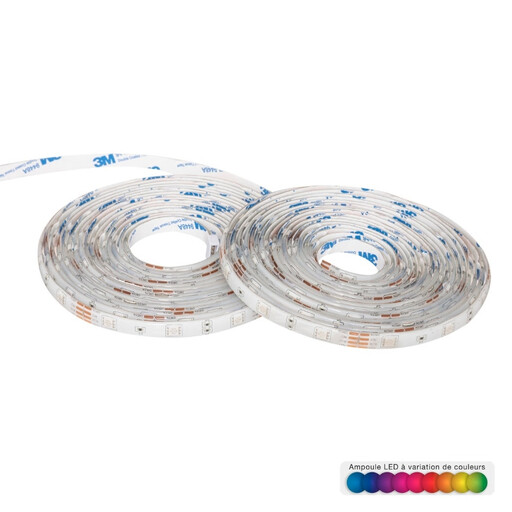
The ideal starter choice: Perfect for adding a lighting effect to a large area without the hassle of an app. Ideal for lighting a bookshelf, a staircase, or the underside of a TV stand with simple, direct control.
This model takes an honest approach: it's controlled by a simple IR remote and doesn't pretend to be smart. It thus avoids the "pseudo-smart" trap by offering a straightforward solution that does what it promises.
Its generous length of 10 metres (2x5m) and its mains power supply make it perfect for large-scale projects. Installation is plug-and-play.
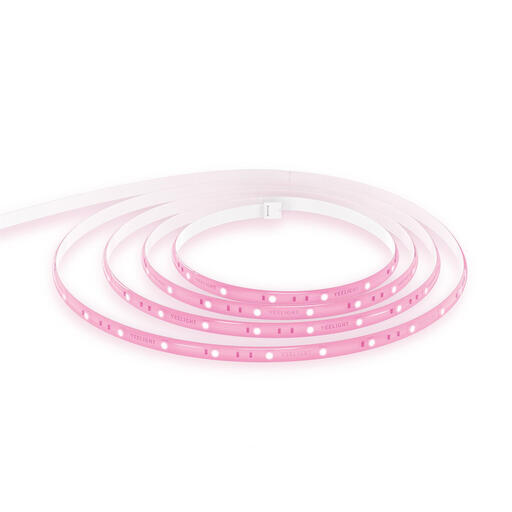
The integration champion: For the demanding user seeking total, flawless integration into their ecosystem. This strip is designed to work natively with all major voice assistants and allows for advanced automations (e.g., turning on at sunset).
No more compatibility headaches: this strip is certified for Alexa, Google Home, Apple HomeKit, and SmartThings. Its Wi-Fi connectivity is stable, and its app is known for its reliability.
It offers deep customisation (colour, brightness, temperature) and highly responsive music sync. Extendable up to 10 metres.
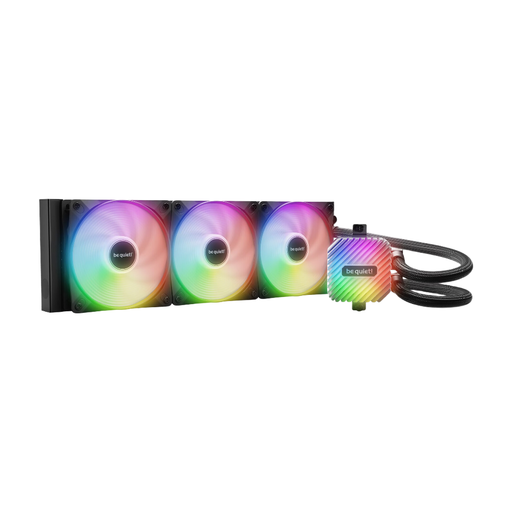
All about immersion: Note, this isn't just a strip, but a PC liquid cooling system that integrates advanced ARGB lighting. It's aimed at the gamer who wants to sync their ambient lighting directly with their PC case components.
It bypasses the compatibility trap by syncing via the included ARGB-PWM hub, which connects directly to the motherboard. The lighting is managed by the motherboard's software (Asus Aura, MSI Mystic Light, etc.), ensuring perfect synchronisation.
It combines high-performance CPU cooling with spectacular ARGB lighting that is fully integrated into the PC ecosystem.
If these models don't quite match your project, we've compiled a comprehensive selection of products that meet our quality criteria and safety standards.
Measure the area you want to light. For the back of a 55-inch TV, 3 to 4 metres is sufficient. To accent the lines of a desk or headboard, 2 to 5 metres is common. For cove lighting along a ceiling, a 10m LED strip or longer may be necessary. Most strips can be cut at the marked points for a precise fit.
Not at all. LED technology is renowned for its low energy consumption. A 5-metre LED strip consumes, on average, between 15 and 30 watts at full power, which is far less than a traditional incandescent bulb. The impact on your electricity bill will therefore be minimal, even with daily use.
Installation is usually very simple: