
Livraison le jour même ou le lendemain

Qualité garantie

Débloquez vos offres de bienvenue: Livraison GRATUITE | Jusqu'à -80 % | 30 jours d'essai gratuits à JoyPlus
Téléchargez l'application
Enjoying your balcony, terrace, or garden in complete privacy is a simple luxury, but it's often spoiled by prying eyes or the whims of the wind. A privacy screen quickly becomes essential. The problem is, the market is flooded with products making tempting promises that, once installed, turn out to be disappointing. As a product expert for Joybuy, I'm here to separate fact from fiction and help you make the right choice. To start, here are the three classic mistakes to avoid.
To avoid these disappointments, you just need to check a few technical details that make all the difference. They are the secret to a privacy screen that is attractive, effective, and built to last.
The density, expressed in grams per square metre (g/m? or GSM), is the most reliable indicator of a screen's thickness and strength.
The choice of material has a direct impact on the look, longevity, and maintenance of your installation.
A successful installation depends on quality finishing. Check for metal eyelets (aluminium or brass to prevent rust) around the entire perimeter of the screen. Edges reinforced with a hem or a reinforcing band are a real bonus for strength, preventing the fabric from tearing at tension points.
To put theory into practice, here are a few specific scenarios and the solutions that meet their needs.
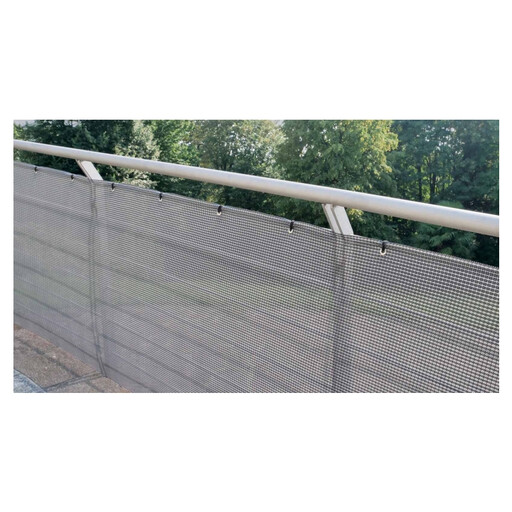
Why we chose it? Ideal for those who see a privacy screen as a decorative element in its own right. Its fine, two-tone Textilene weave adds a touch of elegance and modernity to a balcony or a modern apartment terrace.
Its high-end Textilene material resists weathering and UV rays, avoiding the trap of fading and rapid degradation common in low-end products.
It elegantly filters the view, decorating the outdoor space while preserving privacy without making it too dark.
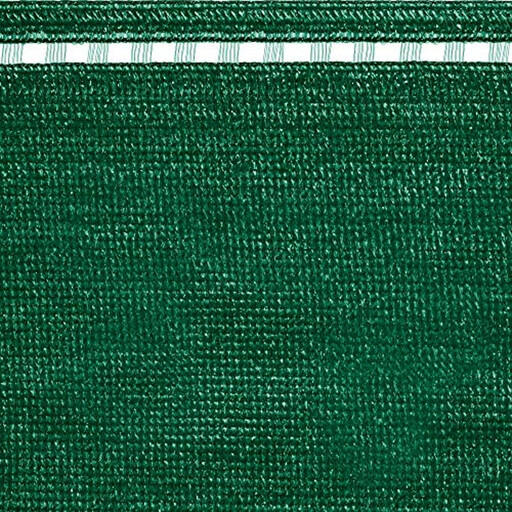
Why we chose it? For those whose priority is total screening and foolproof peace of mind. Perfect for a garden facing a busy street or very close neighbours.
With its very high density of 230 g/m?, it sidesteps the "false opacity" trap. Its ultra-dense woven structure ensures total privacy (100% screening) and outstanding tear resistance.
Total privacy and maximum durability. The UV-protection treatment guarantees its colour won't fade and its mechanical properties will last for years.
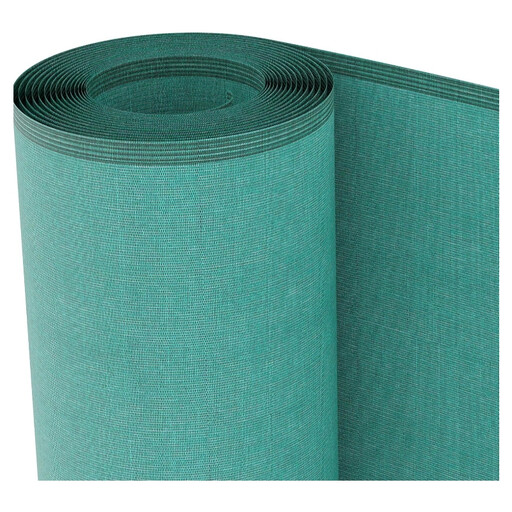
Why we chose it? A versatile and cost-effective solution for covering long fences, such as a garden wire fence or a property line. Its 90% screening level preserves privacy without creating a feeling of being closed in.
It avoids the fragile installation trap thanks to its reinforced edges. This finish ensures better tension distribution and increased resistance to tearing during installation.
An excellent balance of privacy (90%), durability (UV-treated HDPE), and length (10m roll), offering unbeatable value for money for covering large areas.
Explore our full selection of privacy screens, all of which meet our strict standards for quality and durability.
The longevity of a privacy screen depends on two key factors: the quality of its UV-protection treatment and the density of the material. A high-density HDPE or Textilene model (over 200 g/m?) with a good UV treatment can easily last between 5 and 10 years. Conversely, an entry-level product without specific treatment will often need to be replaced after one or two seasons.
For a strong and lasting installation, use cable ties (zip ties) or galvanized wire. Pass a tie through each eyelet, securing it firmly to the support (fence, railing, etc.). The secret is to stretch the screen tightly as you go to avoid creases and prevent it from catching the wind. Don't skip any eyelets, especially in windy regions!
Absolutely, provided you choose the right one. A privacy screen can be an excellent terrace windbreak. For this purpose, opt for a woven screen (rather than slatted reed screening) with a high density (over 200 g/m?). Its dense mesh will filter the wind instead of blocking it, which reduces drafts without creating turbulence. The installation must be flawless, with strong, closely spaced fasteners, to withstand wind pressure without failing.